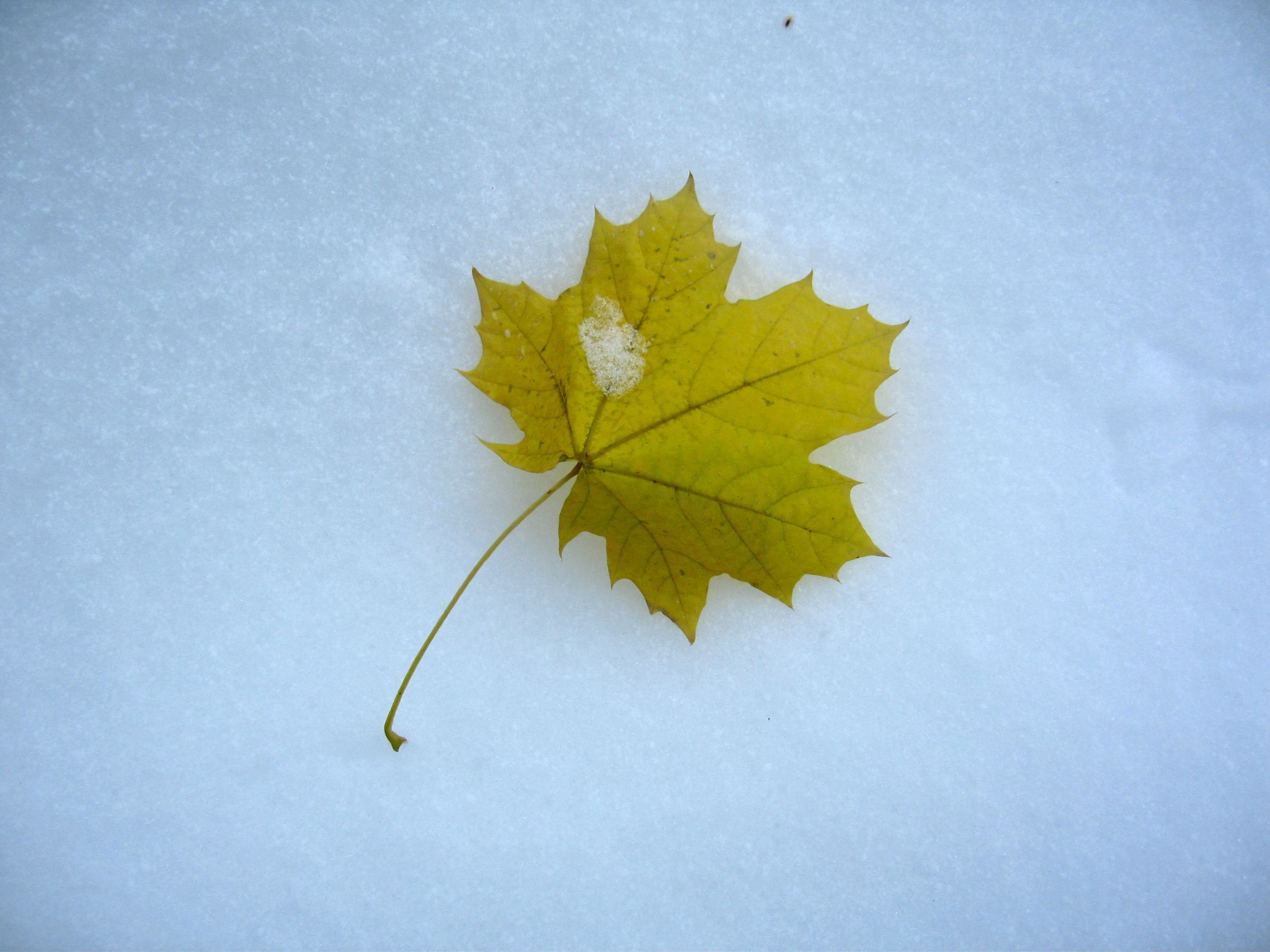
As someone who grew up in Poland, I’m no stranger to snow. LOTS of snow. But in DC a significant snowfall that sticks is a rare occurrence. A dusting now and then, sometimes an inch or two of accumulation that lasts a few days, maybe just one or two big snowstorms during the season – or none at all. As the Northeast is being pounded with a serious blizzard, we have been spared this time. But even though it’s a dry and sunny day here, watching dramatic images from up north makes me think of snow-covered Washington. This is a collection of photos from different years and different snowstorms, including the mother of them all – February 2010 “snowmaggedon.” Enjoy! Read the rest of this entry
Author Archives: Ania
History etched in tuff
“It’s the grandest thing I ever saw!” exclaimed Adolph Francis Bandelier standing at the rim of New Mexico’s Frijoles Canyon in 1880. He was born in Bern, Switzerland but his family emigrated to Illinois when he was eight. Fascinated with the history and culture of American Indians in the Southwest, he became one of the foremost anthropologists and ethnologists of the Pueblo people. Today the Bandelier National Monument, named after him in 1916, remains a witness to the native people’s ancestral history on this land and a testimony of one man’s determination to bring that history to life.
In 1890, Bandelier wrote novel titled The Delight Makers, a fictional tale in which he re-imagines the life of pre-Columbian Pueblo Indians. The novel opens with a description of the Frijoles Canyon as Bandelier saw it. Over a hundred years later that was exactly the view I was taking in on a cold January day and my reaction was the same – it’s the grandest thing I ever saw!
Frijoles Canyon was formed following the eruptions more than a million years ago of a nearby volcano, now collapsed into a giant Valles Caldera. The eruptions were so powerful that they produced volumes of ash 600 times greater than the eruption of Mount Saint Helens. Soft compressed volcanic ash, or tuff, formed steep and easily carved walls of the canyon. Read the rest of this entry
Kraków’s holiday tradition
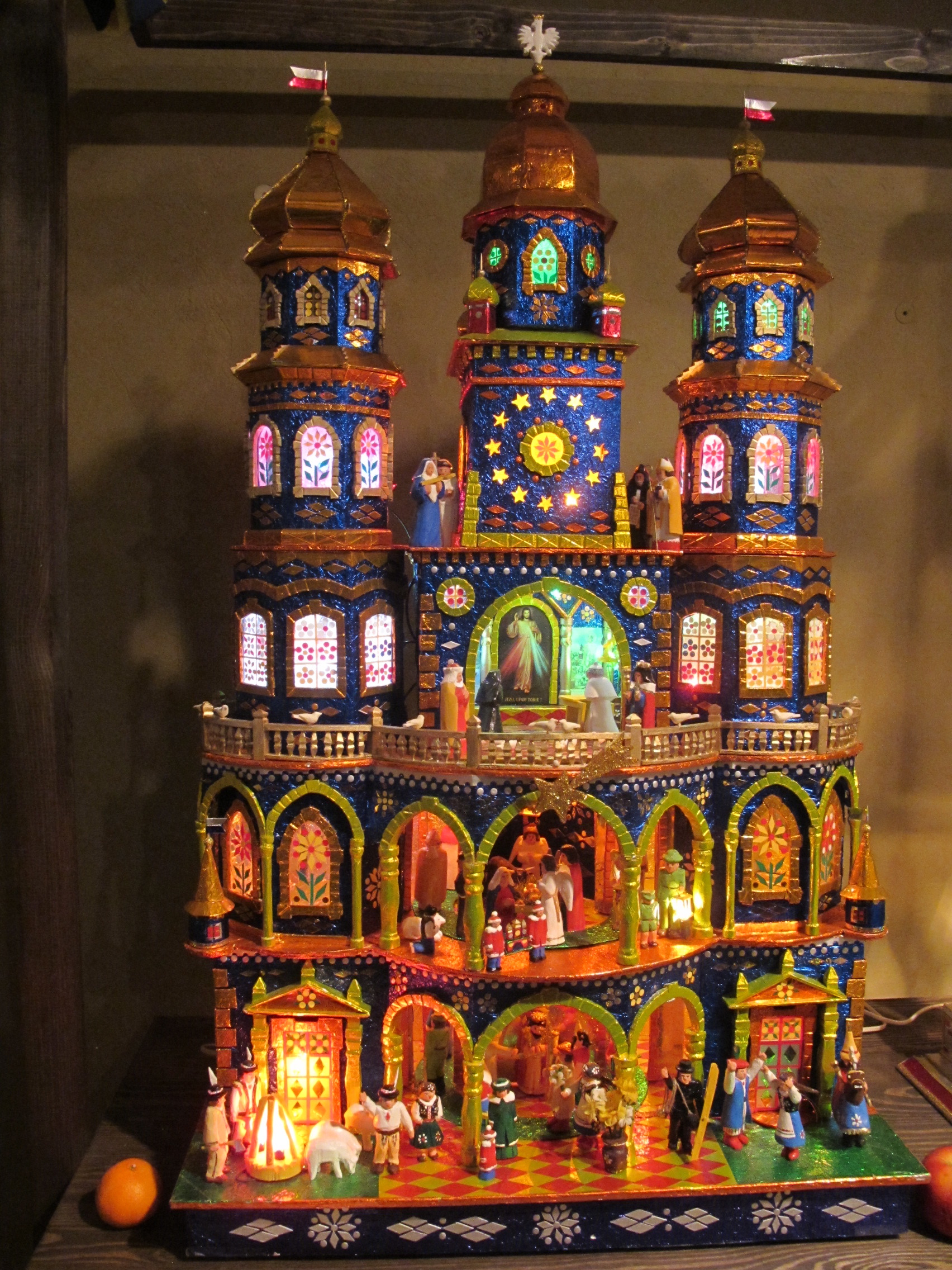
Christmas season in Kraków is unforgettable for many reasons. Festive Old Town churches, sausage sizzling in cosy street booths, colorful street decorations, and that special holiday spirit in the air. But there is one thing in particular about the holidays that’s uniquely special to Kraków: szopki, or nativity scenes (singular: “szopka”). What makes them unique? Szopki are not just classic displays of the creche with Baby Jesus, Mary, and Joseph. Rather, they are elaborate structures that include a mix of Kraków’s architectural hallmarks, with a cast of colorful figurines giving homage to the Newborn – or simply going about their business.
While nativity scenes are common in many countries and date back to St. Francis of Assisi’s 13th century re-enactments of the Christmas story, Kraków szopki are a peculiar twist on that tradition. In their current form they date back to the 19th century when local craftsmen – trying to make a living in a winter season when construction work stopped – started to earn extra income by making the Christmas story come to live in a new way. To preserve the craft, Kraków created an annual competition in 1937 for the most beautiful szkopki. The competition still takes place every year in December at the Main Square and the winners are then displayed in the nearby Krzysztofory Palace. Read the rest of this entry
Vanishing train to Bamako

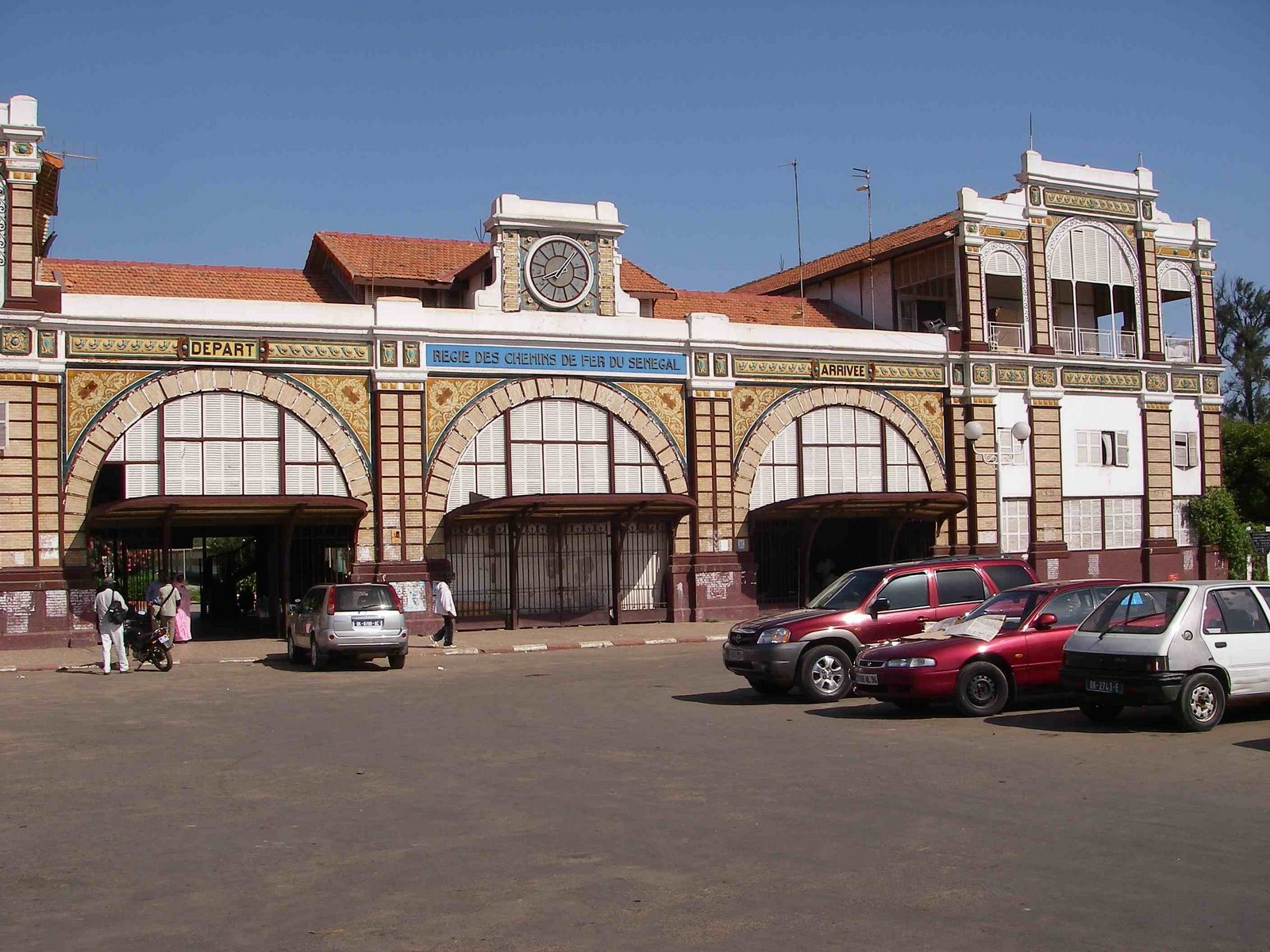
Dakar train station (Image: ginaber.blogspot.com)
San Juan, the walled city
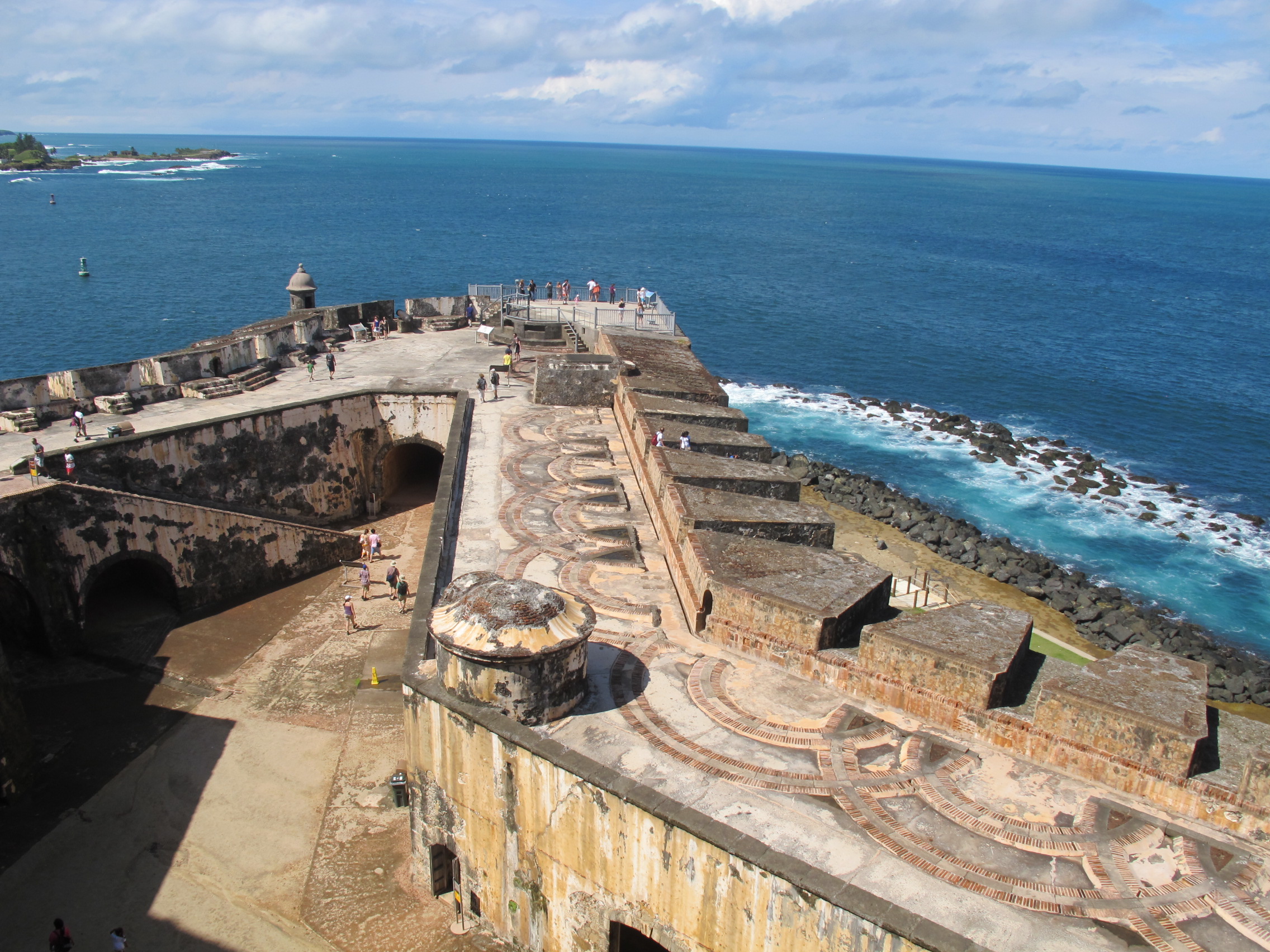
Puerto Rico’s San Juan is a microcosm of the history of the Americas. First sighted by Europeans on Columbus’s second trip to the New World in 1493, the island became the gateway to Spain’s American empire. It was the easternmost island large enough to supply plentiful food and water to Spanish ships sailing from home to the Caribbean and beyond to the riches of Mexico and South America. San Juan remained Spain’s mightiest stronghold in the area for the next 350 years, only briefly occupied by the English in 1598 and by the Dutch in 1625, until Puerto Rico became a U.S. possession following the 1898 Spanish-American War. Read the rest of this entry
Honolulu – always good to be back
Fortunately, no comparably long periods of time are required of a modern traveler. But it’s still a looong trip from pretty much anywhere. In fact, Hawaii is the most isolated population center on earth: 2,390 miles from California; 3,850 miles from Japan; 4,900 miles from China; and 5,280 miles from the Philippines. It’s a strange feeling to fly for so many hours from the U.S. mainland and not need to pull out a passport. But once you’re here, you know you’ve arrived. A puff of warm tropical air penetrates the jet-way. The hot sun starts its labor of love on pale skins of temperate zone individuals. And the beach awaits. Read the rest of this entry
Polish connection in Rapperswil
Surrounded on three sides by Lake Zurich, the castle is a view to behold. Built in the shape of a triangle, each corner is defended by a mighty tower. Perched on a high hill, it rises above the medieval Old Town – an ancient beacon on the lake. Over the centuries, the castle had many owners as the tides of history changed. It also had a stint as a military base and prison before falling into disrepair in the 1800s. And that is when the Polish connection happened. Read the rest of this entry
A different look at Mombasa

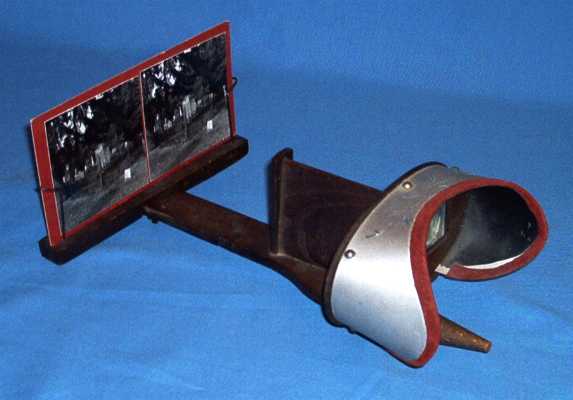
Stereograph viewer (Image: http://www.opb.org)
Hundertwasser encounter
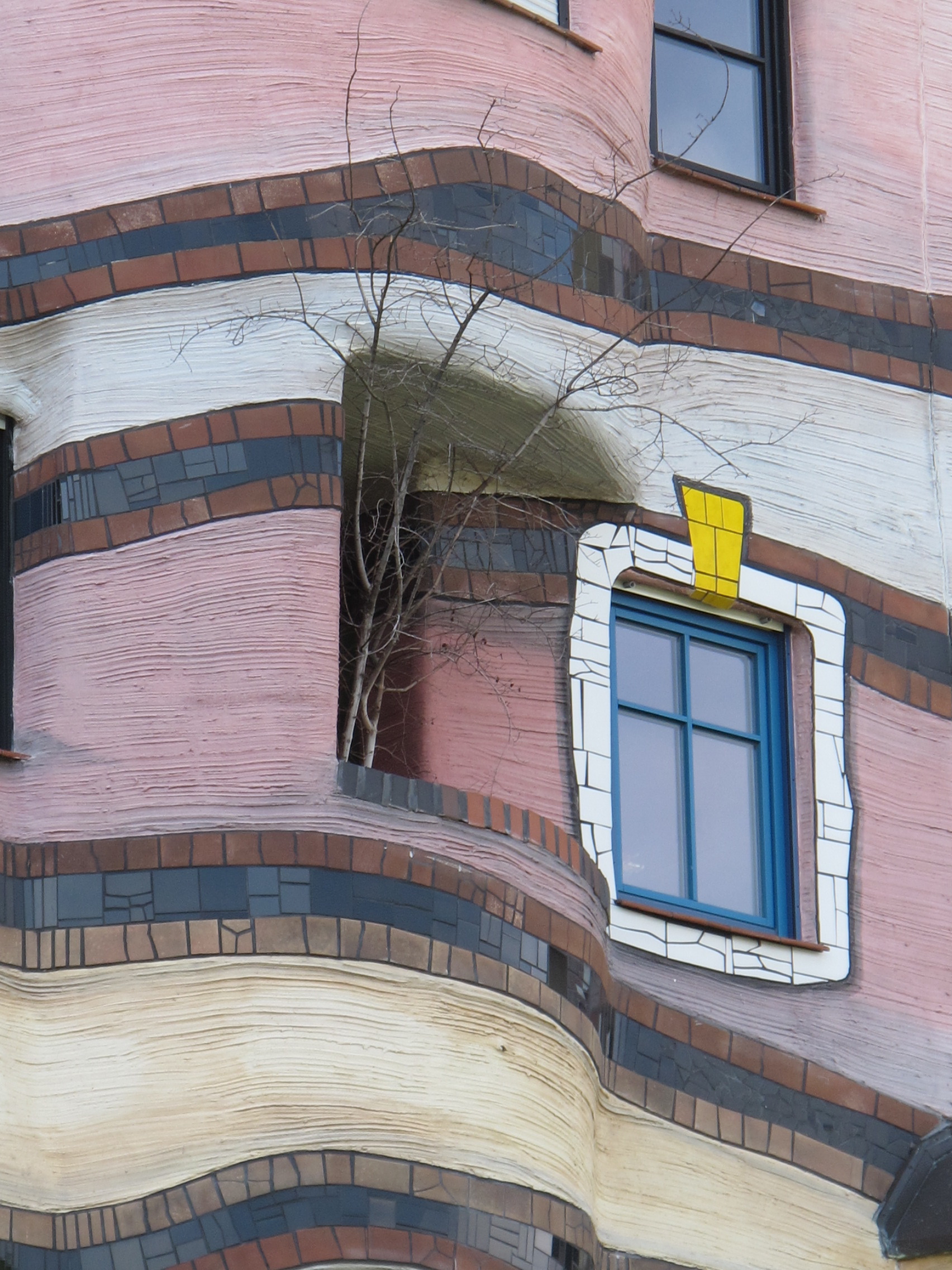
Friedensreich Hundertwasser was a character. Painter, architect, ecologist, he was born in Vienna in 1928 and during a long career created some of the most original works out there. I’m not intimately familiar with his paintings but I fell in love with his architecture. Quirky, eccentric, dream-like – these are some of the words that come to mind to describe his style. Some years ago I saw his most famous building, Hundertwasser House in Vienna, and was really mesmerized by it. In that unusual structure with odd-shaped windows and undulating floors, Hundertwasser’s unique style was clearly on display – and I wanted more. So I was delighted to have another opportunity to see a Hundertwasser building up close and personal last summer in Darmstadt, a city in the German state of Hesse.
Hundertwasser painted his first spiral in 1953 and it had been his artistic credo of sorts ever since. “Gegen die gerade Linie” (against the straight line) is the philosophy that encapsulates his approach. Hundertwasser considered straight lines “the devil’s tools,” associating them with the ills of modern civilization: coldness and sterility of industrial design, detachment from nature, and cruelty of wars fought with man-made machines. He had strong views on the subject: Read the rest of this entry
The sound of Nairobi

Sauti Sol (Image: http://www.kenyan-post.com)