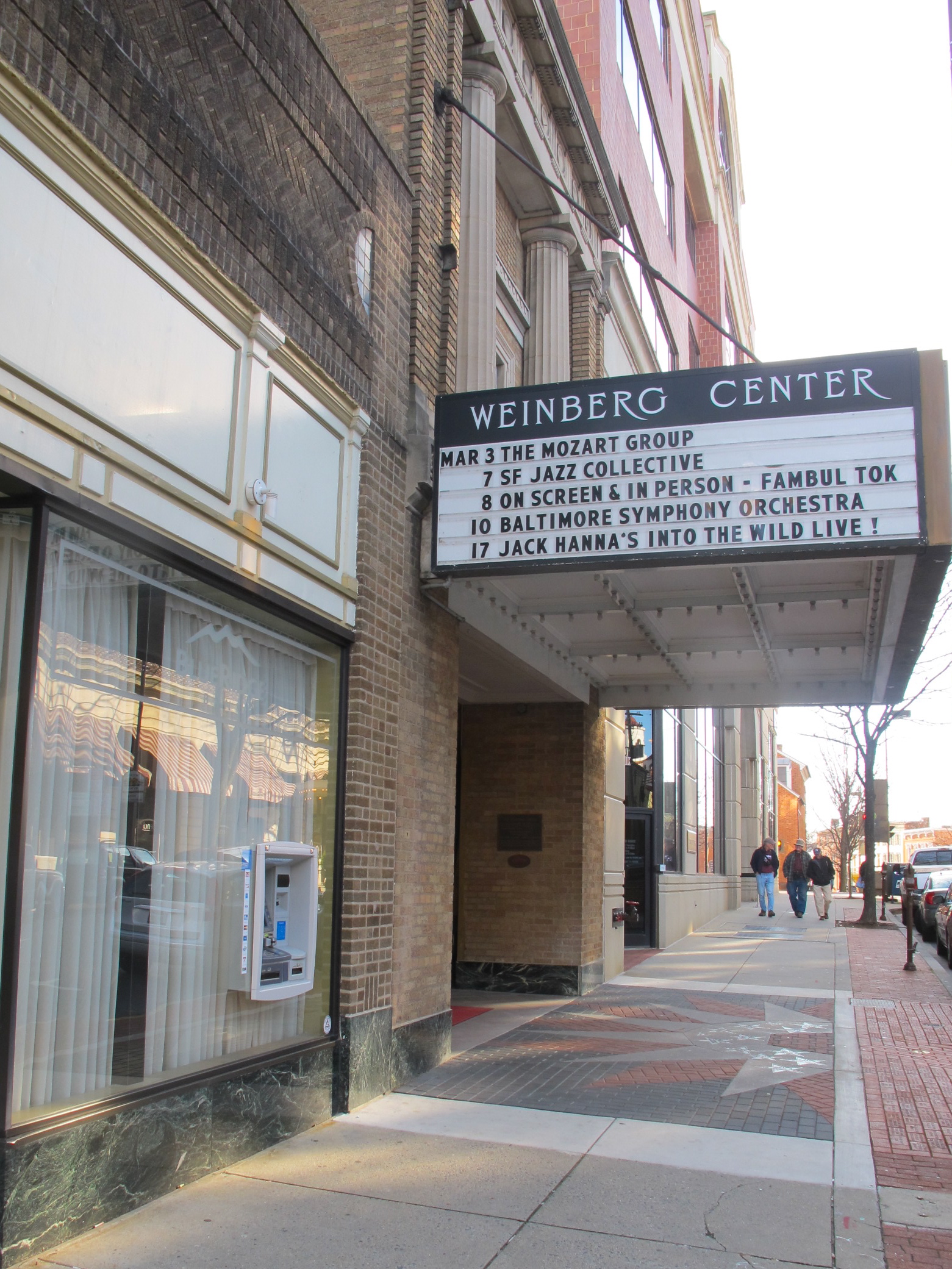
Frederick is older than the United States. Founded in 1745 by German immigrants, the city quickly became an important intersection of trade routes. In 1804, it was the staging ground for Lewis and Clark’s expedition West (known as Fredericktown back then). Later the city’s location put it in the center of Civil War struggles, with both Union and Confederate troops passing through on their way to the bloodbath at nearby Antietam in 1862 and to the fateful battle of Gettysburg in July 1863. Read the rest of this entry
Category Archives: Travel
Post-Mardi Gras respite in Algiers Point
Anybody gazing across the Mighty Mississippi from Jackson Square has seen it on the other bank. Located directly on the other side of the river bend, Algiers Point is the second oldest neighborhood in the city and used to be a separate settlement until incorporation into New Orleans in 1840. All it takes to get there is just a short ferry ride – the same one featured in Denzel Washington’s 2006 movie Déjà Vu, nota bene the first major film to be shot in the city after its hurricane devastation. No worries, despite what you see in the opening scene the passage is quite safe =)
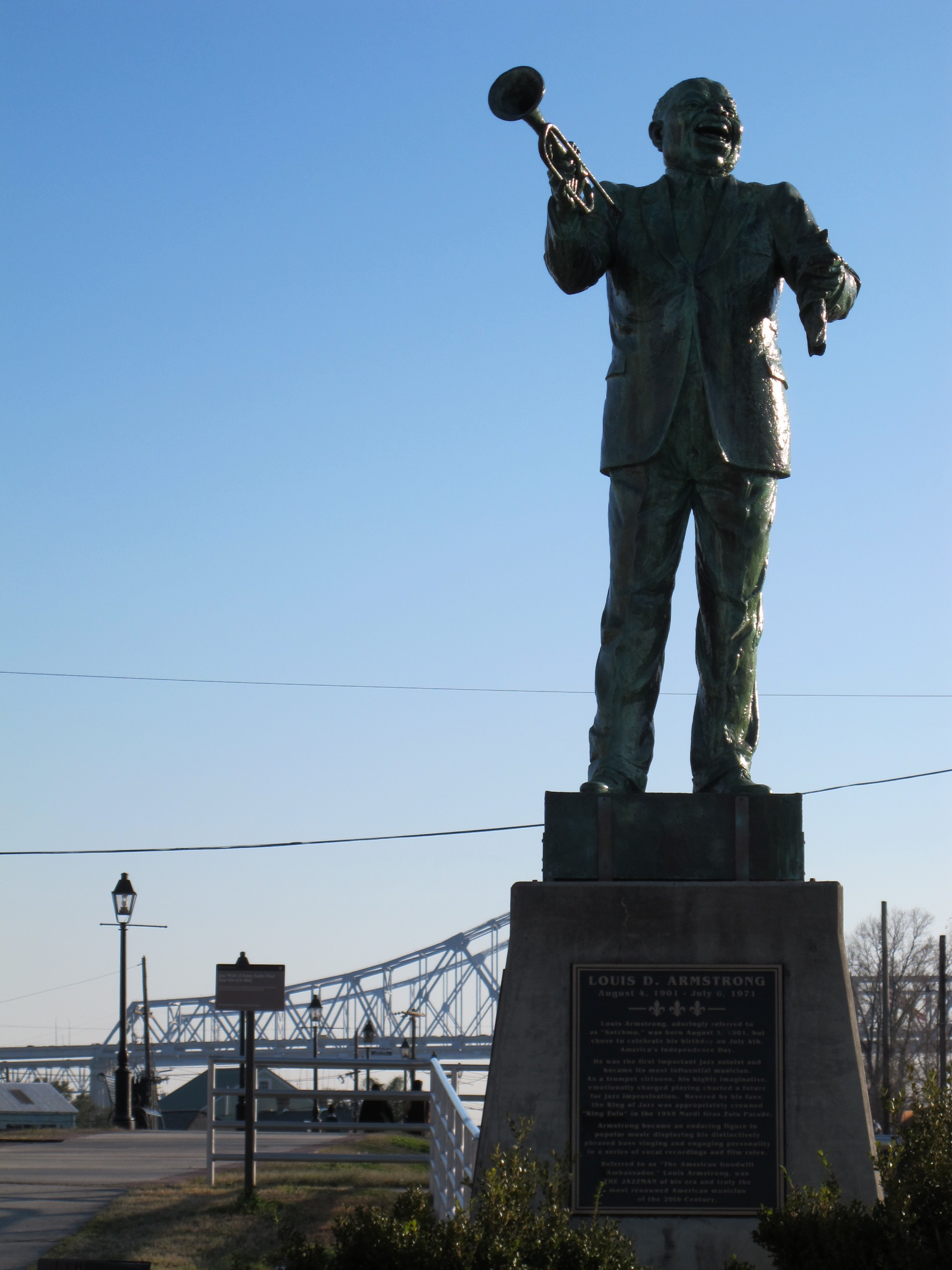
Crossing the Mississippi provides a whole new perspective on New Orleans. The familiar landmark of St. Louis Cathedral looks remarkable from the water, getting smaller and smaller as the ferry inches toward the Algiers shore. Algiers Point, the oldest part of the Algiers neighborhood, greets visitors with the stature of Louis Armstrong – and the atmosphere of a 19th century village, which can be a welcome respite from Bourbon Street’s din and debauchery. Read the rest of this entry
Presidents’ Day at the Library of Congress

Gutenberg Bible at the Library of Congress (source: http://www.loc.gov)
The Great Hall welcomes visitors with two grand marble staircases on each side with larger-than-life female figure holding a torch of electric light, and colorful mosaics devoted to the disciplines such as Theology and Law. This light-filled, soaring space really dazzles with unique works created by nearly 50 American painters and sculptors. And just beyond the point where you pass under the grand “Library of Congress” sign above a tall archway resides a true gem of the Library: Gutenberg Bible. It is one of only three complete copies printed on treated calfskin, or vellum, that survived to this day (the other two are in Paris and London). Read the rest of this entry
The land of pomegranate
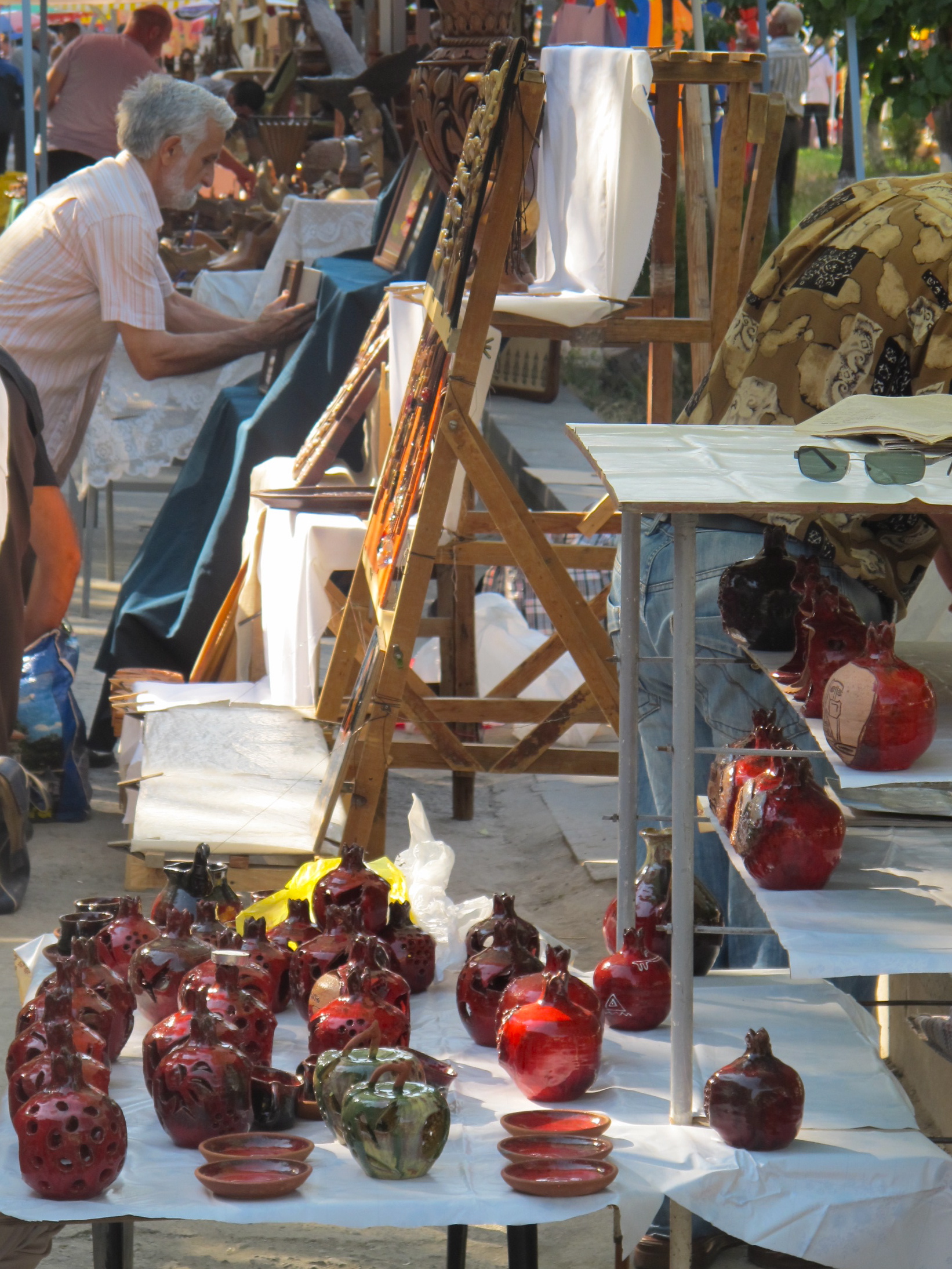
Weaving pomegranate imagery into both art and daily lives of Armenians must be at least as old as Yerevan itself, dating back to the 8th century BC when the ruler of the ancient Urartu kingdom built Erebuni fortress on a high point over the Ararat plain. Some claim the name “Yerevan” derives from Erebuni. Others attribute it to Noah who allegedly exclaimed “Yerevats!” (“it appeared”) looking toward what is now Yerevan from the top of Mount Ararat after his ark had landed there and the flood waters receded. I bet he reached for a pomegranate snack right after that =) Read the rest of this entry
A walk though Hanoi
The city of roses and bridges
Portland is called the City of Roses – quite deservedly. There are several theories as to where that nickname came from but the undisputed fact is that roses have a long tradition here. Back in 1888 the first show of the Portland Rose Society took place and Portland Rose Festival has been an annual tradition since the early 20th century. Not surprisingly, the place not to miss on a visit to Portland is rose related: the International Rose Test Garden. Read the rest of this entry
Streetcars of yore and of tomorrow

New DC streetcar (image source: http://dc.gov)
The treasures of Tulum
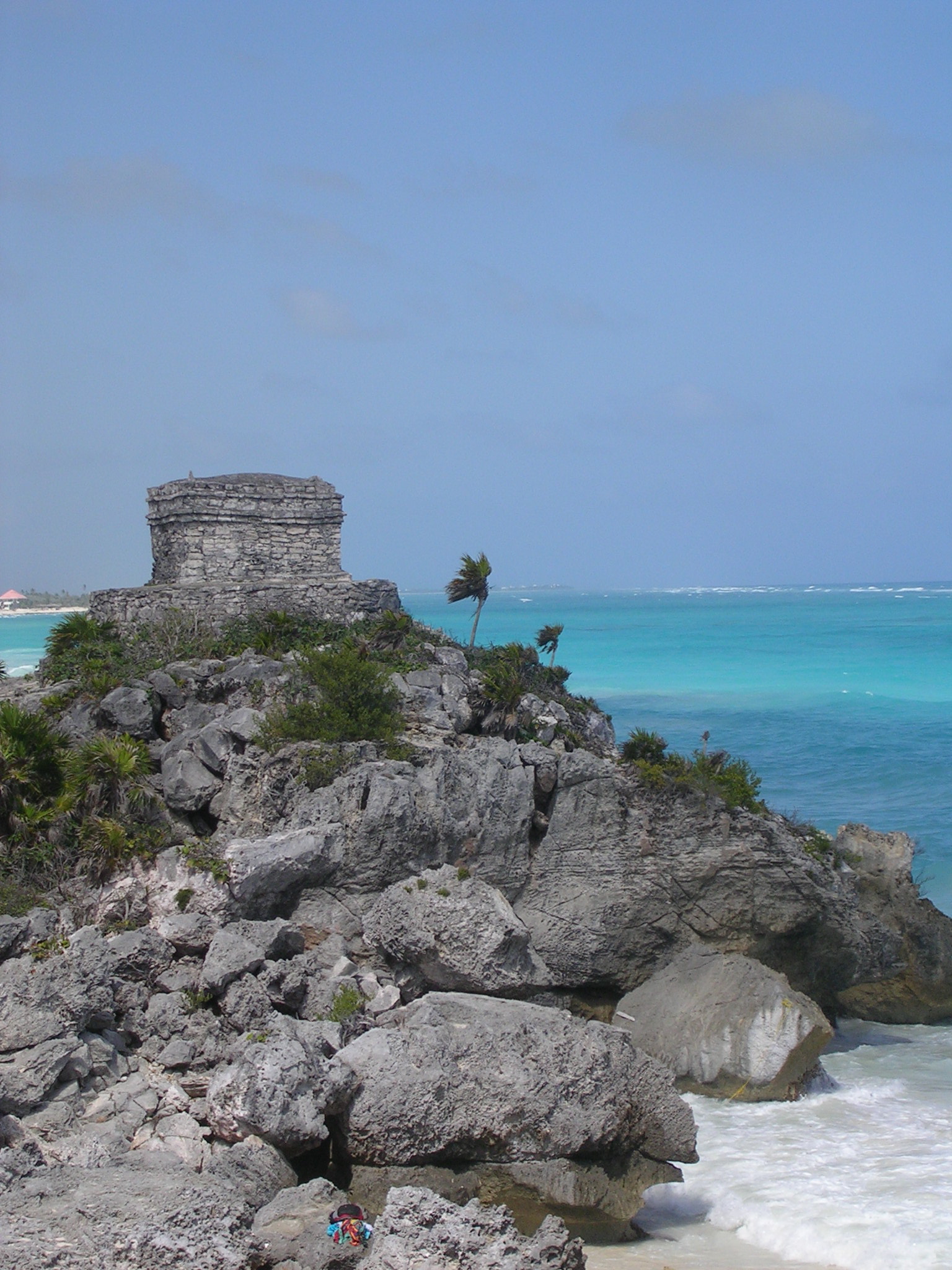
That is how Juan Diaz described Tulum in 1518. Diaz was a member of a Spanish expedition of four ships and two hundred men led by Juan de Grijalva and organized by the governor of Cuba eager to find Mayan gold. They first landed at Cozumel island and continued south, soon reaching the walled city. The tower that Diaz was so impressed with was El Castillo, a pyramid facing the ocean that served as a watchtower and a lighthouse and is Tulum’s trademark till today. When I saw the ruins on my trip, I could imagine the conquistadors sailing by in their ships, mouth agape, staring at a mighty fortress perched on the top of a rocky coast. They were the first Europeans to see Tulum – or at least the first ones to write about it – and must have been quite in awe given Diaz’s admission that it could rival a contemporary European city. Seville-in-the-Caribbean survived seven decades after the Spanish conquest but eventually was abandoned when the Old World diseases decimated the local population. Read the rest of this entry
One flew over the Nazca Lines
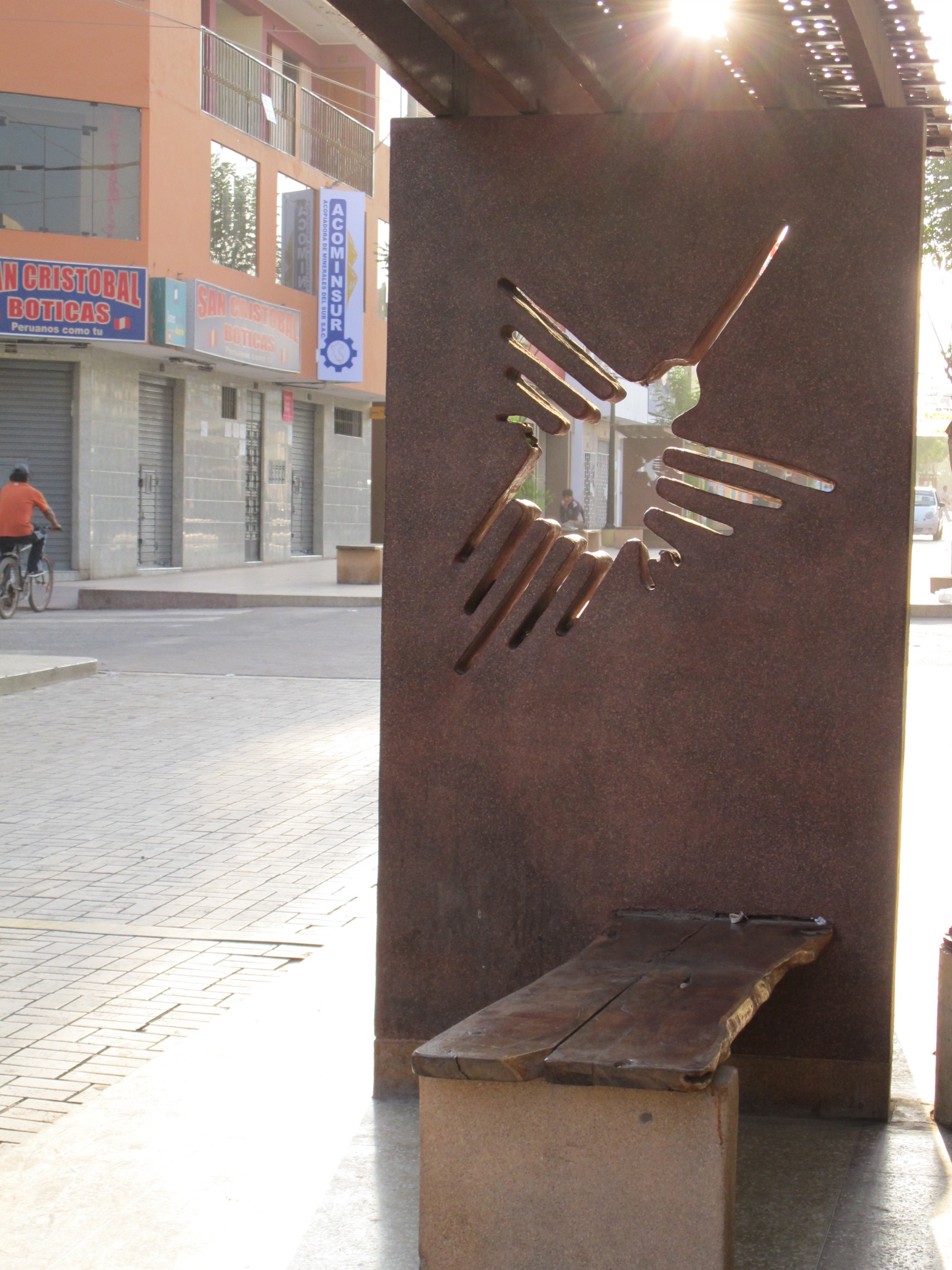
The name Nazca likely comes from Quechua “nanasca,” which means “pain and suffering.” Yup, it doesn’t rain much here and that hurts, but it’s precisely what helped preserve the lines for centuries – the dry, windless climate of this spot. The lines themselves were formed by removing the top layer of reddish pebbles and exposing the lighter-colored desert surface beneath. That simple. But few people see them from the ground level since the best vintage point is from the air (hence the theories of the lines being alien landing strips or navigation markers). Read the rest of this entry
A bridge to Serbia

The bridge on the Drina (Image source: http://www.balkantravellers.com)