Category Archives: Europe

Let Sopot surprise you

Standard

Krzywy Domek in Sopot

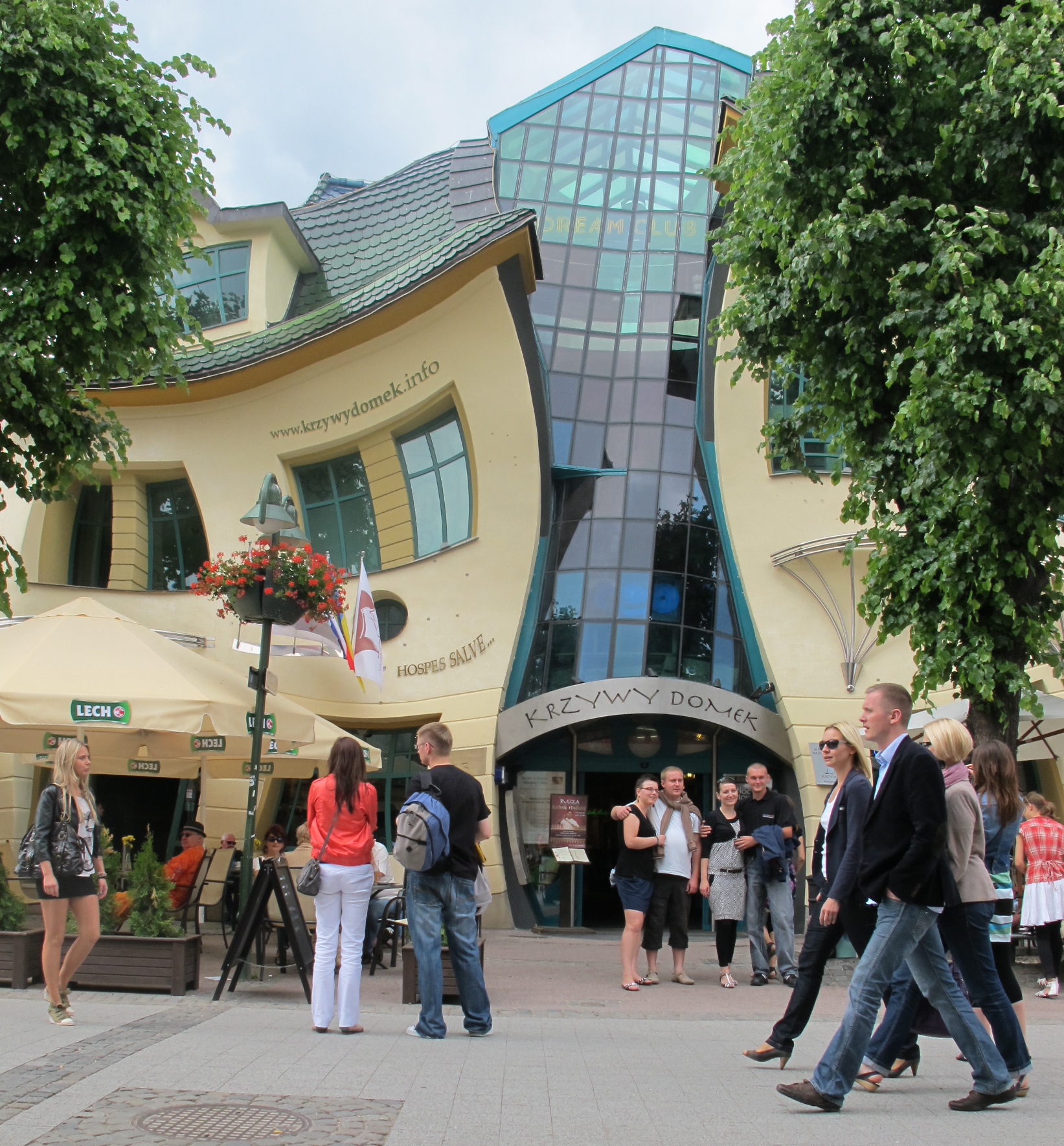
This article about buildings that wheeze, squeeze and dance made me think of a picturesque Polish seaside resort Sopot and especially about one of its unique and unusual sights:

“Imagine wandering along Monte Cassino Street in Sopot, Poland (I know, I know, you imagine this all the time), and you bump into this: the Krzywy Domek, a local shopping center built in 2004 that looks like a child’s drawing that got squished. (Or, as some Poles have said, it seems to be melting.) Bugs Bunny could move in here with Elmer Fudd and live happily ever after.”

Indeed, I imagine wandering along Sopot’s Heros of Monte Cassino Street all the time ever since I was there about a year ago. Affectionately called “Monciak” by the locals, it’s the city’s main pedestrian drag buzzing with tourists, diners, and shoppers. Read the rest of this entry

Euro 2012 capitals: Kyiv

Standard

Eviva España! That’s the cheer to which the world is celebrating today after the final game of the Euro 2012 in which Spain destroyed Italy 4:0 – the biggest margin ever in the history of European Championship finals. The international feast of football that started in Warsaw on June 8 ends today in Kyiv with a great game and I only wish I could have been there! I’ve traveled to Kyiv twice before – once in March, once October – and unfortunately both times I didn’t see much sun, which is a clear indication I should go back the third time, but maybe around this time of year =) Still, regardless of the weather, there are places in Kyiv I always want to go back to. And now, thanks to the Euro games, hopefully many of the fans who visited Ukraine will also want to come back. Read the rest of this entry

Euro 2012 capitals: Warsaw

Standard

(Image: worldcupblog.org)

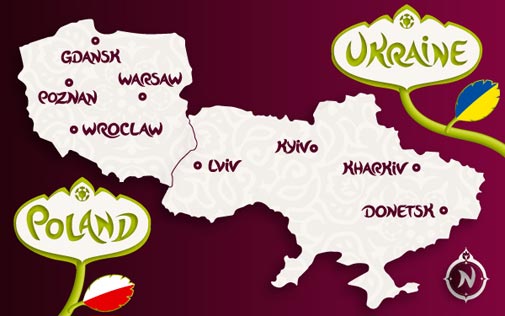
Let me start by saying that I’m really not a soccer fan. But Euro 2012 is as much about the game itself as about the location: it is the first time since the fall of communism that this prestigious European Championship is held in Eastern Europe, jointly hosted by Poland and Ukraine. Incidentally, UEFA Euro 1976 took place in Yugoslavia – a state that is no more – and the final game featured two countries that no longer exist: Czechoslovakia and West Germany. Sadly, by now both current host countries are out of the game, with Germany and Portugal qualified for the semi-finals against yet unknown rivals. But as I said this tournament has been about much more then sports. For Poland and Ukraine, it’s also about gaining a new space in the consciousness of fellow Europeans and soccer fans around the world as real places – places worth visiting, learning more about, and exploring. Read the rest of this entry

Hallo Heppenheim!

Standard

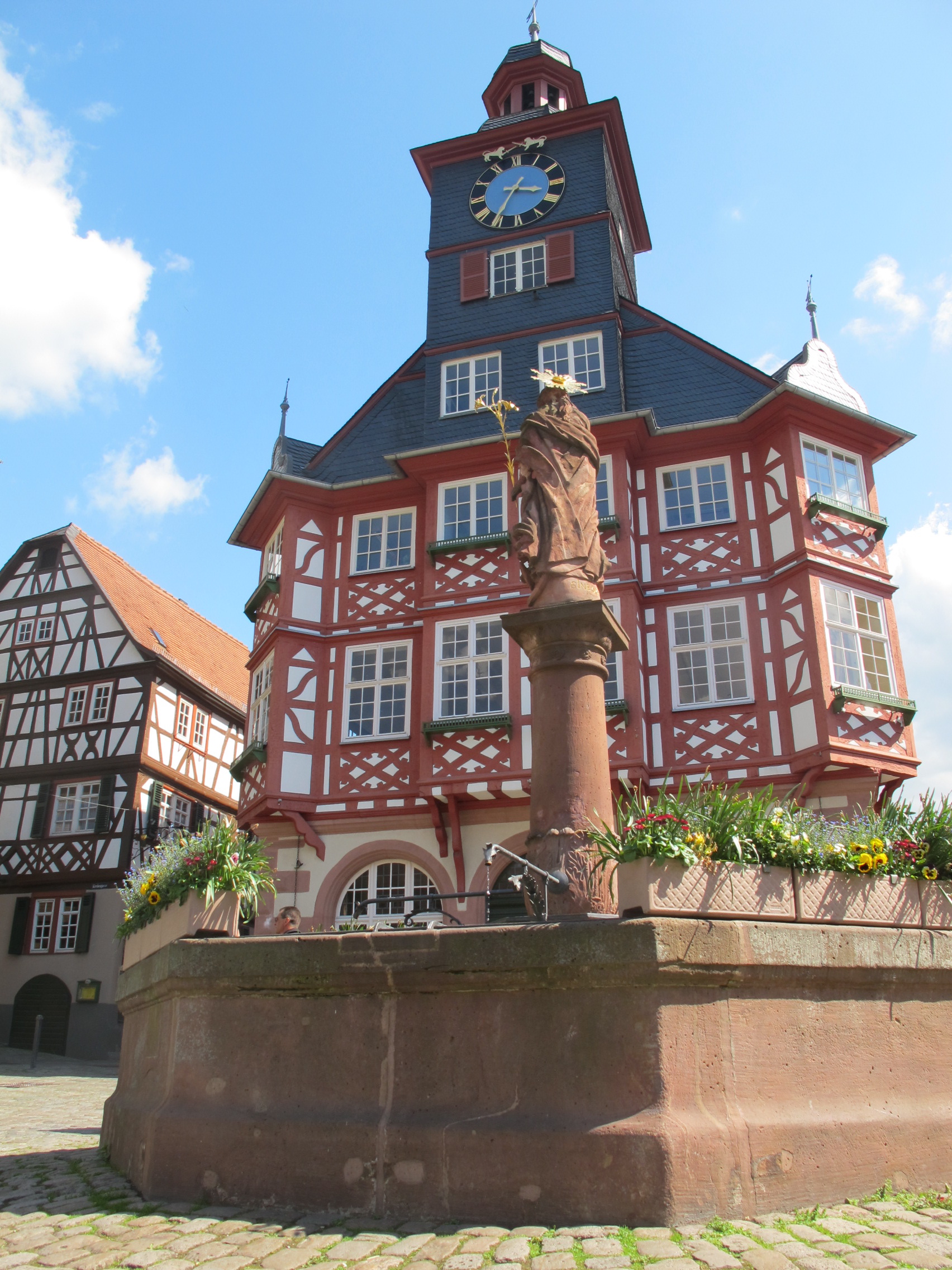
Heppenheim Market Square

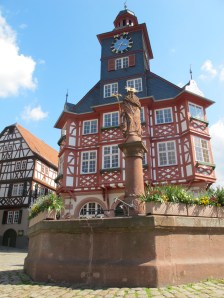
Just a short distance south of Frankfurt near the border between the German states of Hessen and Baden-Württemberg lies charming town of Heppenheim, population 26,000. The town is picture perfect with its medieval street layout, impeccably preserved fachwerk (half-timbered) houses, and romantic ruins of an 11th century castle. It is also a renowned stop on Hessische Bergstraße – the Hessian Mountain Road – a wine region famous for its Riesling grape. The city center, Großer Markt, despite its name (Big Market) is compact and cozy. The 18th century Town Hall and old chemist’s shop Liebig-Apotheke overlook the square, which is anchored by a beautiful fountain topped with a historic sandstone statue of the Virgin Mary. But looking up offers an even more rewarding view: high on the hill green with vineyards sits ancient Starkenbug castle. Simply a delightful setting to sit back, relax, and enjoy a glass or two (or three =) of Heppenheimer Stemmler, great local wine.

Walking through the town’s narrow streets further reveals its medieval character. Schunkengasse, leading west from the Main Square, is a collection of gorgeous 17th and 18th century houses and connects to a parallel Kirchgasse through a steep set of stairs dating back to 1888. After a short climb up, massive Catholic church of St. Peter appears, also called Dom der Bergstraße or the Bergstraße Cathedral. The first documented mention of Heppenheim references the predecessor of this church already in 755, during the Frankish era. Read the rest of this entry

Sandomierz – the gem of Lesser (known) Poland

Standard

Old Sandomierz

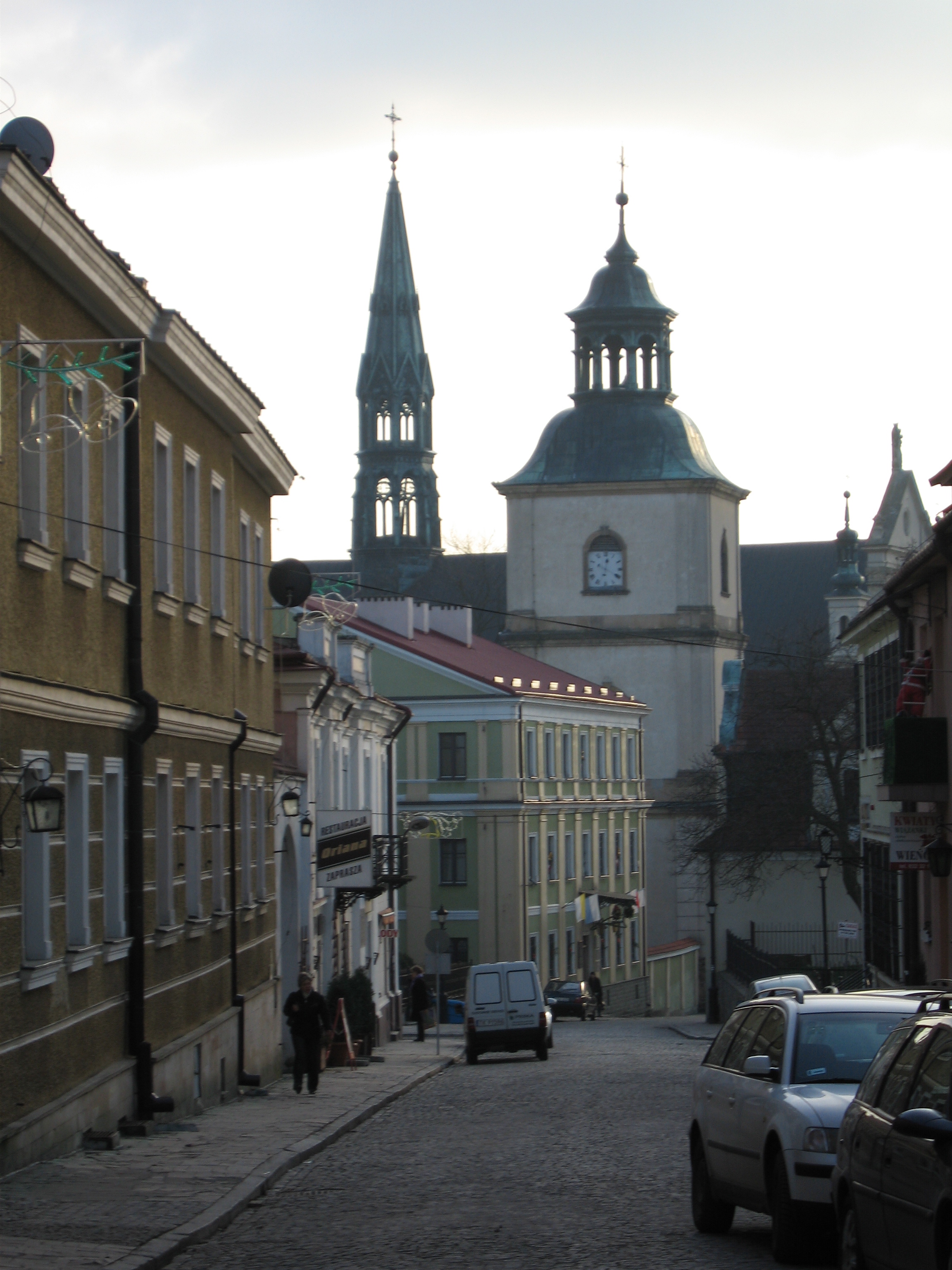
There is a region in southeastern Poland – the one I come from – called Małopolska. The name somewhat awkwardly translates into English as Lesser Poland but let me assure you there is nothing “lesser” about it as far as things to do and places to see. For one, the region’s capital is beautiful Kraków on my top 10 list of cities anywhere (ok, I may be somewhat biased =) Sandomierz, although not as well known to tourists, is equally beautiful, historic, and worth a visit.

Back in the Middle Ages, it was one of the largest and most prosperous cities in Poland, a residence of princes and kings. In the 1200s the city was seriously damaged by Tatar invasions. The most infamous raid took place in 1259-60 when the Tatars massacred 49 dominican monks in St. Jacob’s church after successfully laying siege to the city. That event has become foundational for many legends such as that of Salve Regina hill (the monks were singing Salve Regina hymn as they were preparing to meet their maker). The legend says that a giant bull raised by the monks ran after the Tatars in the direction of Kraków to avenge its keepers but could not catch up with the horde. Enraged, the bull dug a large mound with its hoofs and carved “Salve Regina” on the hillside with its horns. A great introduction to that early Sandomierz, shrouded in legends, is the Underground Route touring 470 metres of clandestine passages and multi-story cellars once used by cityfolk and merchants. Read the rest of this entry

Meet Pristina

Standard

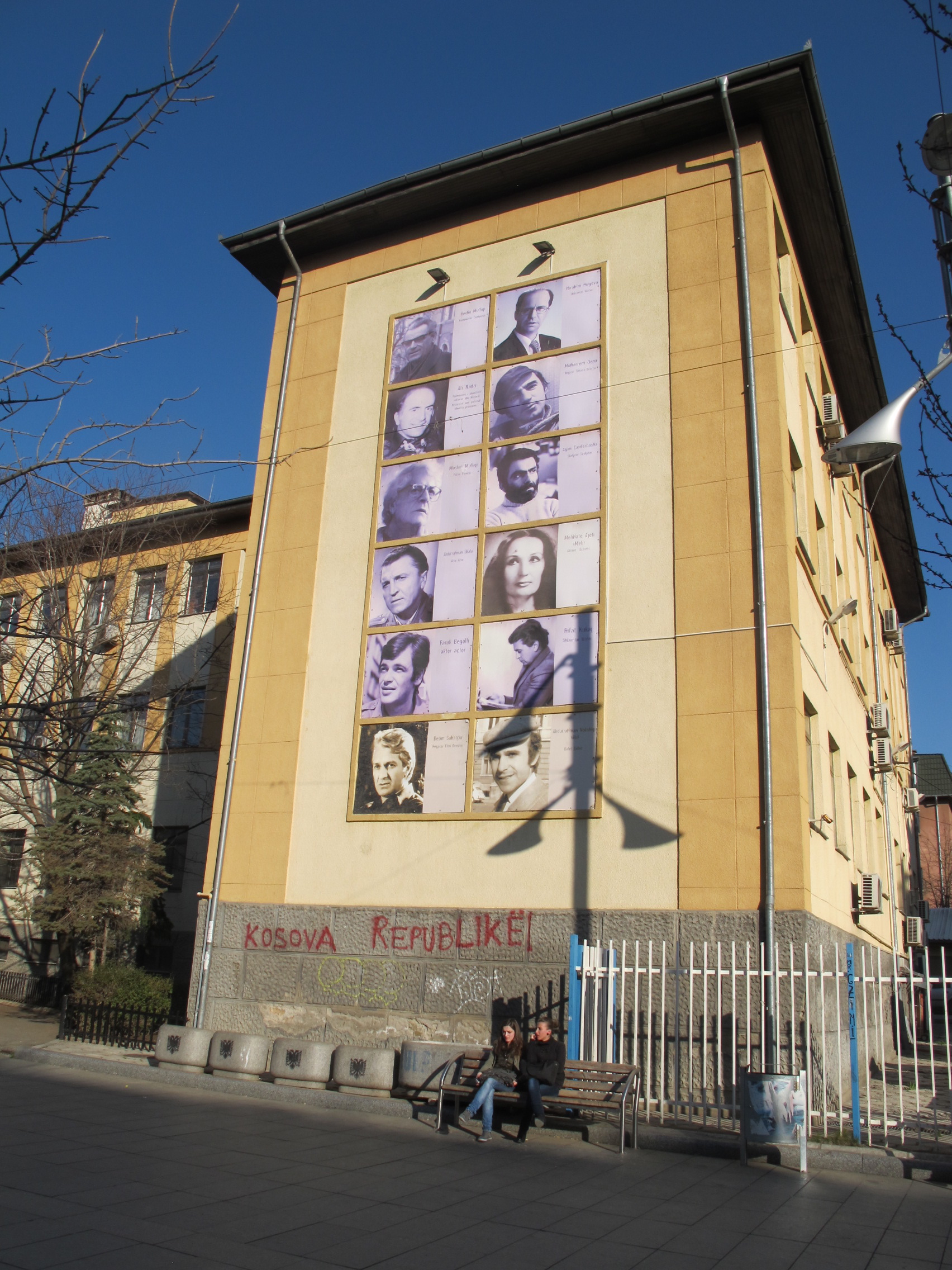
Pristina Street

When I travel I am always unconsciously on the lookout for the Polish connection. Coming to Pristina, I didn’t have to look very hard. In fact, the very first thing I saw when my plane touched down was… the Polish government’s plane parked on the tarmac next to a giant Luftwaffe aircraft. As it turns out, Poland’s President Bronisław Komorowski just flew in for a one-day visit with Polish troops and police serving in Kosovo as a part of the EULEX mission (ca. 220 soldiers and 120 policemen currently).

Having felt instantly welcomed, I built a better rapport with Pristina than I thought I would. While few visitors fall in love with this city, the negative things I read about it felt rather exaggerated in retrospect. Guidebooks warn about anything from potholes to feral dogs but while indeed street and sidewalk quality leaves much to be desired, Pristina overall felt extremely safe and – at least to me – rather familiar. It could well be anywhere in Central Europe except for more mosques than churches. One big difference is the demographics. As Europe in general ages, Kosovo has extremely young population with 50% of its people under 25 and 70% under 35 years. These statistics can be easily verified by strolling along the all-pedestrian Mother Teresa Boulevard where you mingle with predominantly young, and unexpectedly fashionable, crowd avidly window-shopping and sipping macchiatos in ubiquitous cafes. Read the rest of this entry

Warsaw in old photos

Standard

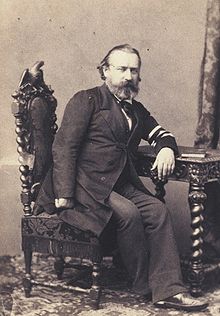
Continuing with the theme of historic photographs, I found some fascinating images of Warsaw from the 1860s – the oldest surviving images of the city. They were taken by Karol Beyer, the father of Polish photography, who in 1845 became the first professional photographer in Warsaw. Over the years he took a series of photographs of Warsaw and other Polish cities that today are priceless documents of those times. He also captured hundreds of portraits immortalizing the locals (and himself in several self-portraits like this one here).

A little history background: in Beyer’s time there was no such thing as Poland, politically speaking, since the partition of 1795 between Russia, Prussia, and Austria-Hungary erased it from the map of Europe for the next 123 years. Warsaw became a part of the Russian Empire. In early 1860s, the unrest was brewing throughout the Polish territories. After a series of demonstrations in different cities, Tsar Alexander II declared martial law on October 14, 1861.

In this photo, taken shortly thereafter, Russian soldiers are camping on the square in front of the Royal Castle. If you’ve been to Warsaw, you surely recognize Zygmunt’s Column in the upper right hand corner. Read the rest of this entry

Russia you’ve never seen before

Standard

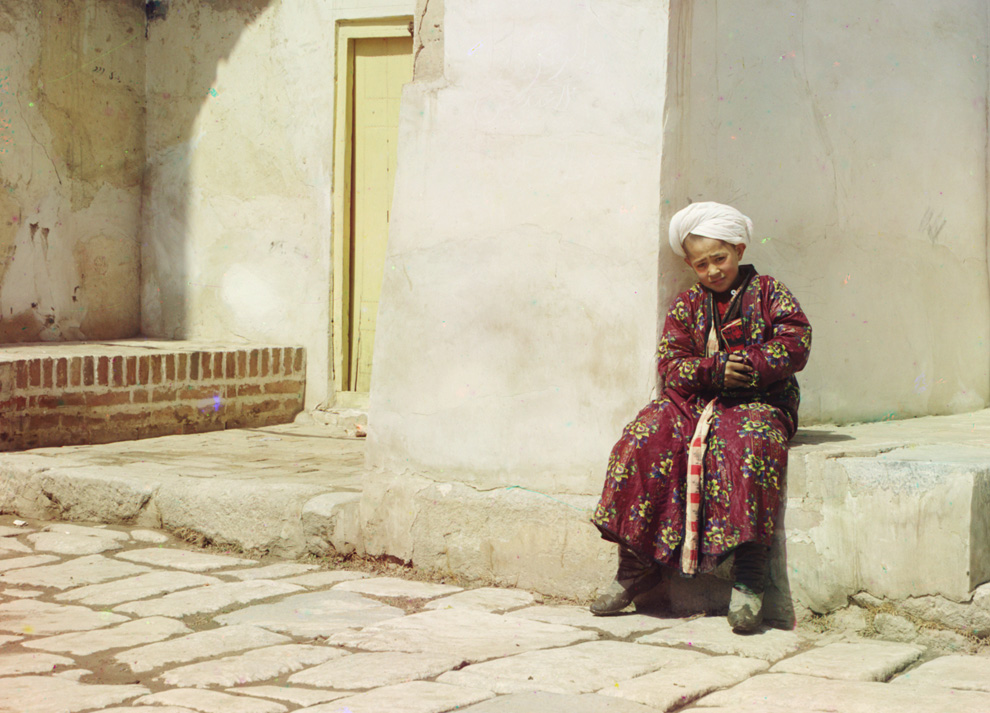
A boy at the Tillia-Kari mosque in Samarkand, present-day Uzbekistan, ca. 1910

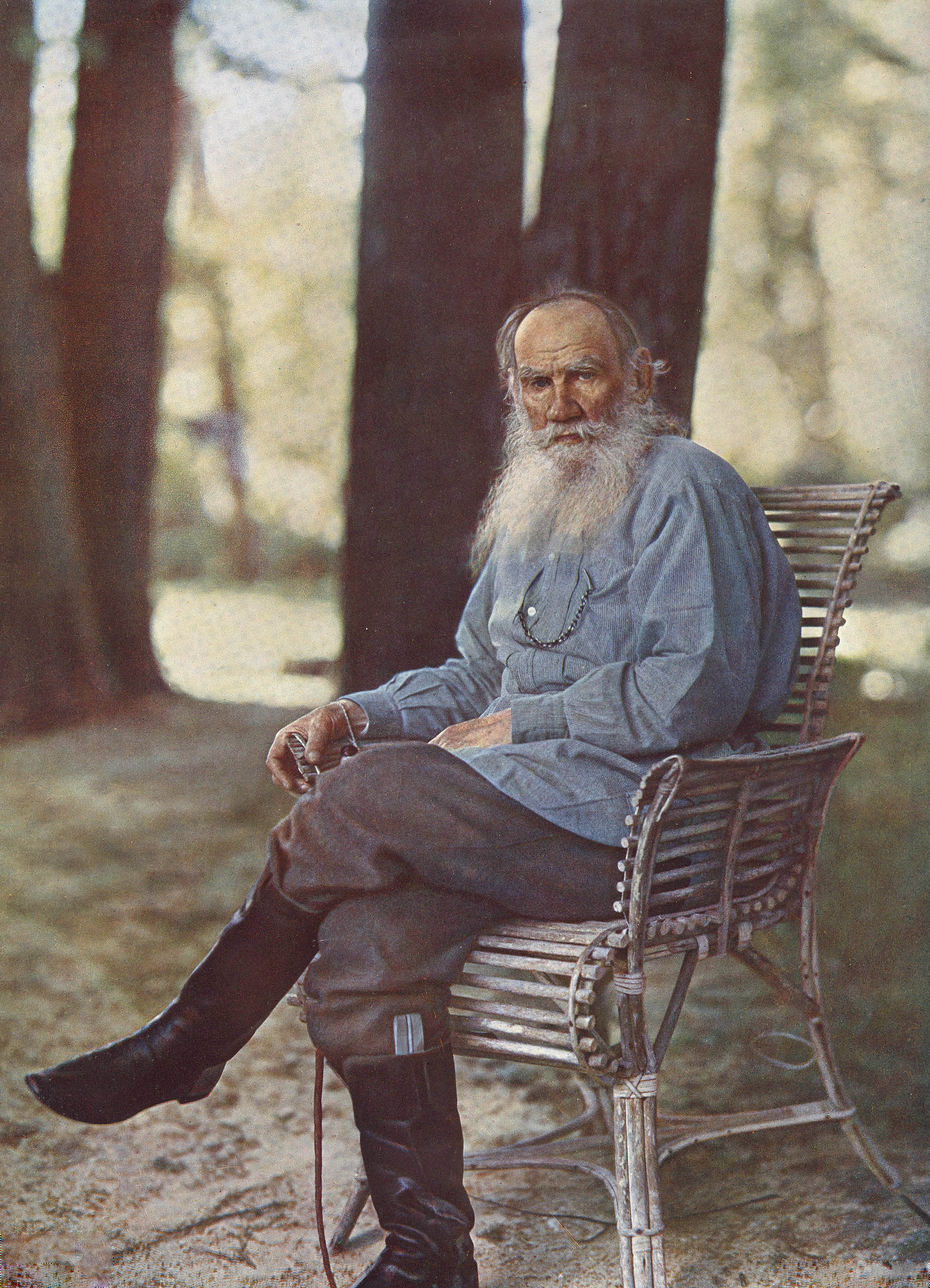
I recently came across some amazing photos from a century ago in Russia that I just have to share! Sergei Mikhailovich Prokudin-Gorskii was an early pioneer of color photography, a skill he honed in his studio and laboratory in Saint Petersburg established in 1901. His most famous photo is the only color portrait of Leo Tolstoy but he’s also known for amazing images of early 20th century Russian Empire. Impressed with his work, Tsar Nicholas II sent Prokudin-Gorsky on a mission to document in color the country’s expanse and its inhabitants. He went on to create a rich collection photos – a real treasure chest of history. He emigrated in 1918 following the October Revolution and settled in Paris, where he lived until his death in 1944.

His technique involved a camera that took a series of three monochrome (black and white) pictures in quick succession, each through a different-colored filter: red, green, and blue. He then projected all three images together to obtain near true color. Read the rest of this entry

The land of pomegranate

Standard

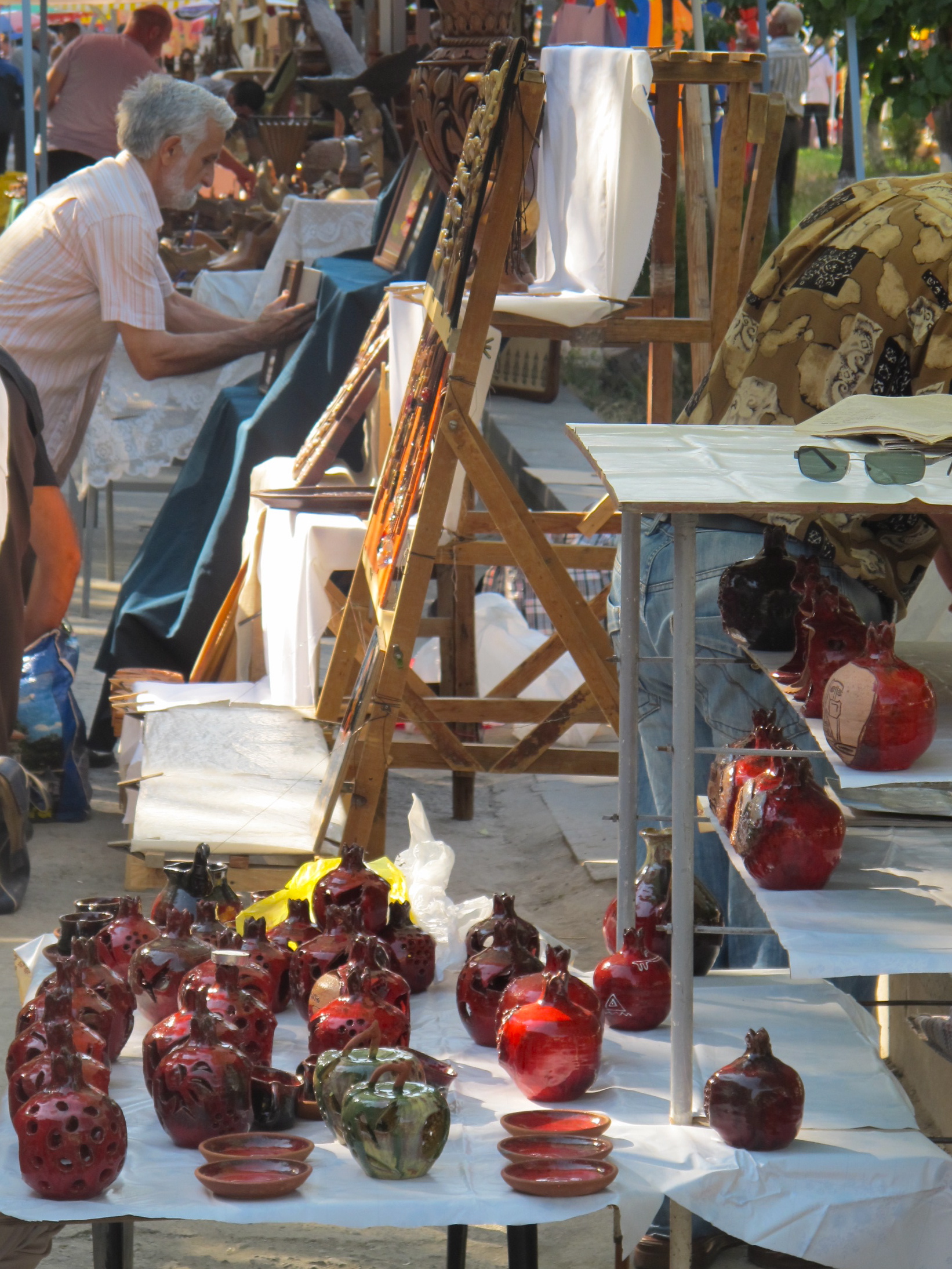
Vernissage flea market in Yerevan

Pomegranate is the central fruit in Armenian culture and a staple fruit in Armenian households worldwide. It’s also an item you are bound to find in all sorts of forms in Yerevan’s Vernissage flea market held every weekend behind Republic Square metro on Nalbandyan street. You can find pretty much anything here, from jewelry and paintings to irons and electric tea kettles. In this bustling bazaar of different shapes and colors, the silhouette and shade of pomegranate is a familiar, reoccurring constant. Pomegranates inspire ubiquitous crimson-red pendants, sway on the wind-rippled surface of delicate silk scarves, glow in the sun reflected off the glazed fruit-shaped clay pots. This ancient symbol of fertility and abundance is still omnipresent today.

Weaving pomegranate imagery into both art and daily lives of Armenians must be at least as old as Yerevan itself, dating back to the 8th century BC when the ruler of the ancient Urartu kingdom built Erebuni fortress on a high point over the Ararat plain. Some claim the name “Yerevan” derives from Erebuni. Others attribute it to Noah who allegedly exclaimed “Yerevats!” (“it appeared”) looking toward what is now Yerevan from the top of Mount Ararat after his ark had landed there and the flood waters receded. I bet he reached for a pomegranate snack right after that =) Read the rest of this entry

A bridge to Serbia

Standard

The bridge on the Drina (Image source: http://www.balkantravellers.com)

Ever since I read The Bridge on the Drina, a great novel by Nobel prize-winning Yugoslav writer Ivo Andrić, I’ve wanted to go to the Balkans. I was fascinated by the history of the region where the East meets the West, Islam and Christianity mix, and Slavic and Ottoman influences (among others) have been interwoven throughout the ages. That’s essentially what Andrić’s novel is about. Using as a metaphor the UNESCO-listed 16th century Mehmed Paša Sokolović Bridge in the town of Višegrad, today close to the Bosnian-Serbian border, he explores the complicated history and equally complex identity of the region. Andrić didn’t live to see the lastest tragic chapter added to his 400-year long tale – fratricidal wars of the 1990s. The story continues on a happier note today although certainly it’s not all water under the bridge… Read the rest of this entry