Author Archives: Ania

Unknown's avatar

About Ania

I like to think about travel as a 4D experience, a space-time thing that I occasionally manage to capture on my blog.

Hallo Heppenheim!

Standard

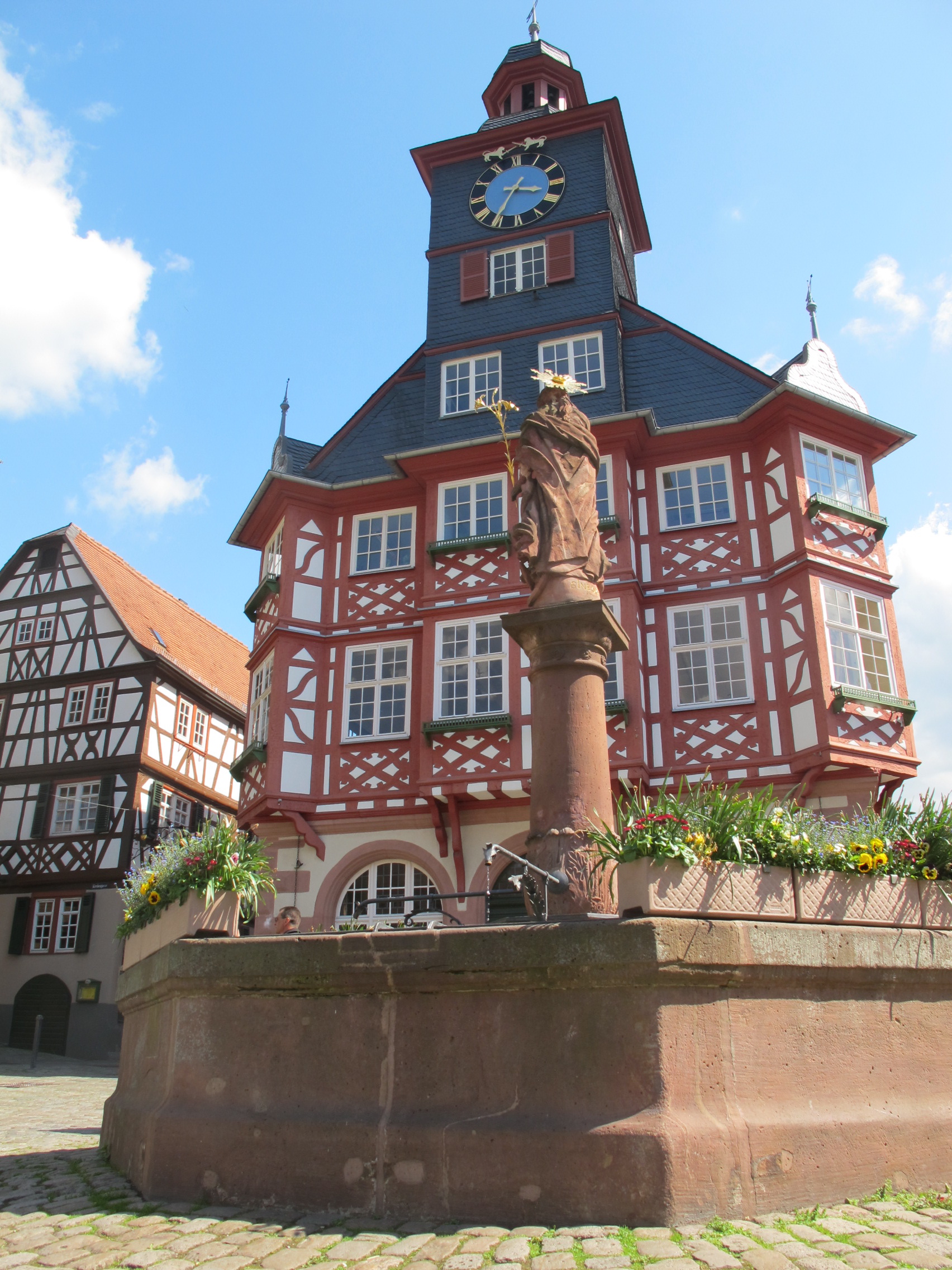
Heppenheim Market Square

Just a short distance south of Frankfurt near the border between the German states of Hessen and Baden-Württemberg lies charming town of Heppenheim, population 26,000. The town is picture perfect with its medieval street layout, impeccably preserved fachwerk (half-timbered) houses, and romantic ruins of an 11th century castle. It is also a renowned stop on Hessische Bergstraße – the Hessian Mountain Road – a wine region famous for its Riesling grape. The city center, Großer Markt, despite its name (Big Market) is compact and cozy. The 18th century Town Hall and old chemist’s shop Liebig-Apotheke overlook the square, which is anchored by a beautiful fountain topped with a historic sandstone statue of the Virgin Mary. But looking up offers an even more rewarding view: high on the hill green with vineyards sits ancient Starkenbug castle. Simply a delightful setting to sit back, relax, and enjoy a glass or two (or three =) of Heppenheimer Stemmler, great local wine.

Walking through the town’s narrow streets further reveals its medieval character. Schunkengasse, leading west from the Main Square, is a collection of gorgeous 17th and 18th century houses and connects to a parallel Kirchgasse through a steep set of stairs dating back to 1888. After a short climb up, massive Catholic church of St. Peter appears, also called Dom der Bergstraße or the Bergstraße Cathedral. The first documented mention of Heppenheim references the predecessor of this church already in 755, during the Frankish era. Read the rest of this entry

Memorial Day in Manila

Standard

Manila American Cemetery

Memorial Day is almost here. I initially wanted to write something about the Arlington National Cemetery given that this is probably number one association most people make with commemorating this day. But there is another special place I want to talk about – a place I didn’t know existed until recently – the Manila American Cemetery and Memorial in the Philippines. The Cemetery is located in Taguig, Metro Manila, and occupies 152 meticulously landscaped acres on a high plateau overlooking the city. It contains the graves of over 17,200 soldiers who died in WWII fighting in the Philippines and New Guinea, which makes it the largest U.S. military burial site of that war. The horrors of the bloody 1941-42 Battle of the Philippines and the triumph of the eventual Allied recapture of the islands from the Japanese come together in this place like nowhere else. General MacArthur said “I shall return” when, defeated, he was fleeing Bataan. He kept his word but it took enormous sacrifice of American and Filipino troops to fulfill that promise.

For anyone who has been to the Arlington Cemetery this place looks oddly familiar. Same gleaming white headstones stretching in long, even rows. Same manicured, lush lawns. Same serenity and silence. But tropical trees and flowers break the spell, with sweet plumeria scent in the air. Read the rest of this entry

The story of creative destruction at Mount St. Helens

Standard

Just a short drive of 50 miles northeast from Portland, Mount St. Helens may as well be on a different planet. On May 18, 1980 – exactly 32 years ago – the mountain’s 9,677 ft (2,950 m) tall summit blew its top off and became reduced to 8,365 ft (2,550 m) with much of its northern face replaced by a mile-wide crater. Eruptions are nothing new to this mountain. In fact, local Native American tribes gave it names that clearly indicated a history of violent outbursts, such as Lawelatla (“One From Whom Smoke Comes”), Tah-one-lat-clah (“Fire Mountain”) or Loo-wit (“Keeper of the Fire”). The first European to see the mountain was British Captain George Vancouver. While on a mission exploring the Pacific coast in 1792, he spotted the peak from his ship Discovery as he sailed past the mouth of the Columbia River. He named it after his friend and the British Ambassador to Spain at the time, Alleyne Fitzherbert, Baron St. Helens. Read the rest of this entry

Where elephants roam

Standard

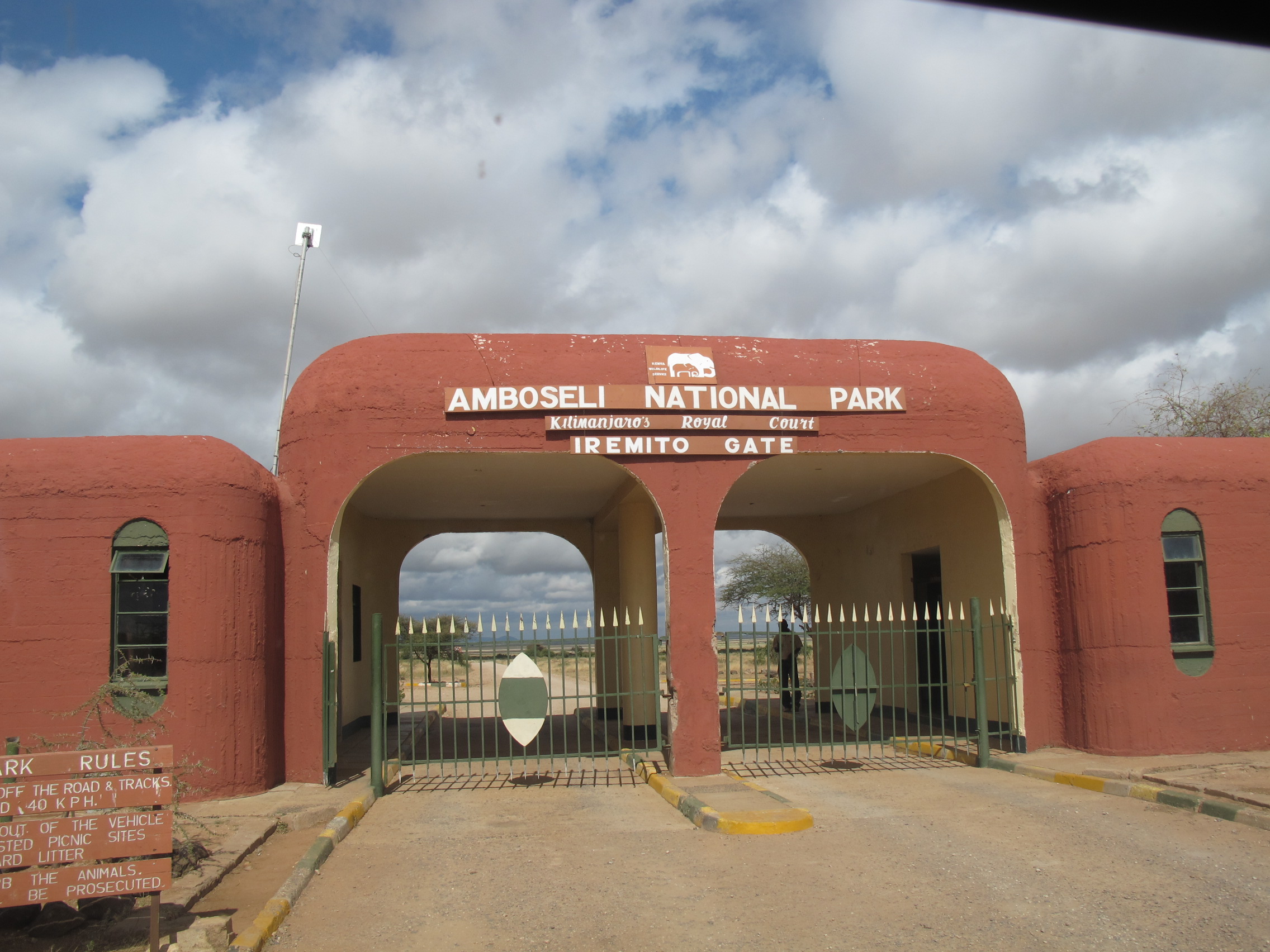
Amboseli Park gate

Amboseli National Park is a very special place on earth. It means “the place of water” in the Maasai tongue and indeed while the surrounding area is all red dust and acacia bushland the park stretches across vast, verdant swamps. They are fed underground by the runoff and snow melt from Amboseli’s imposing neighbor right across the Tanzanian border: majestic Mount Kilimanjaro. The view of the highest peak in Africa and the tallest free standing mountain in the world is in and of itself unforgettable reward for coming here. I am not much of a mountain climber but I have always dreamed of seeing Kilimanjaro. Ever since I read about this faraway and exotic land in children’s books, my distant dreams of Africa became morphed into this one iconic image: a snow-covered peak rising high above the savanna. You get the image, right? Now add to it elephants. Read the rest of this entry

Sandomierz – the gem of Lesser (known) Poland

Standard

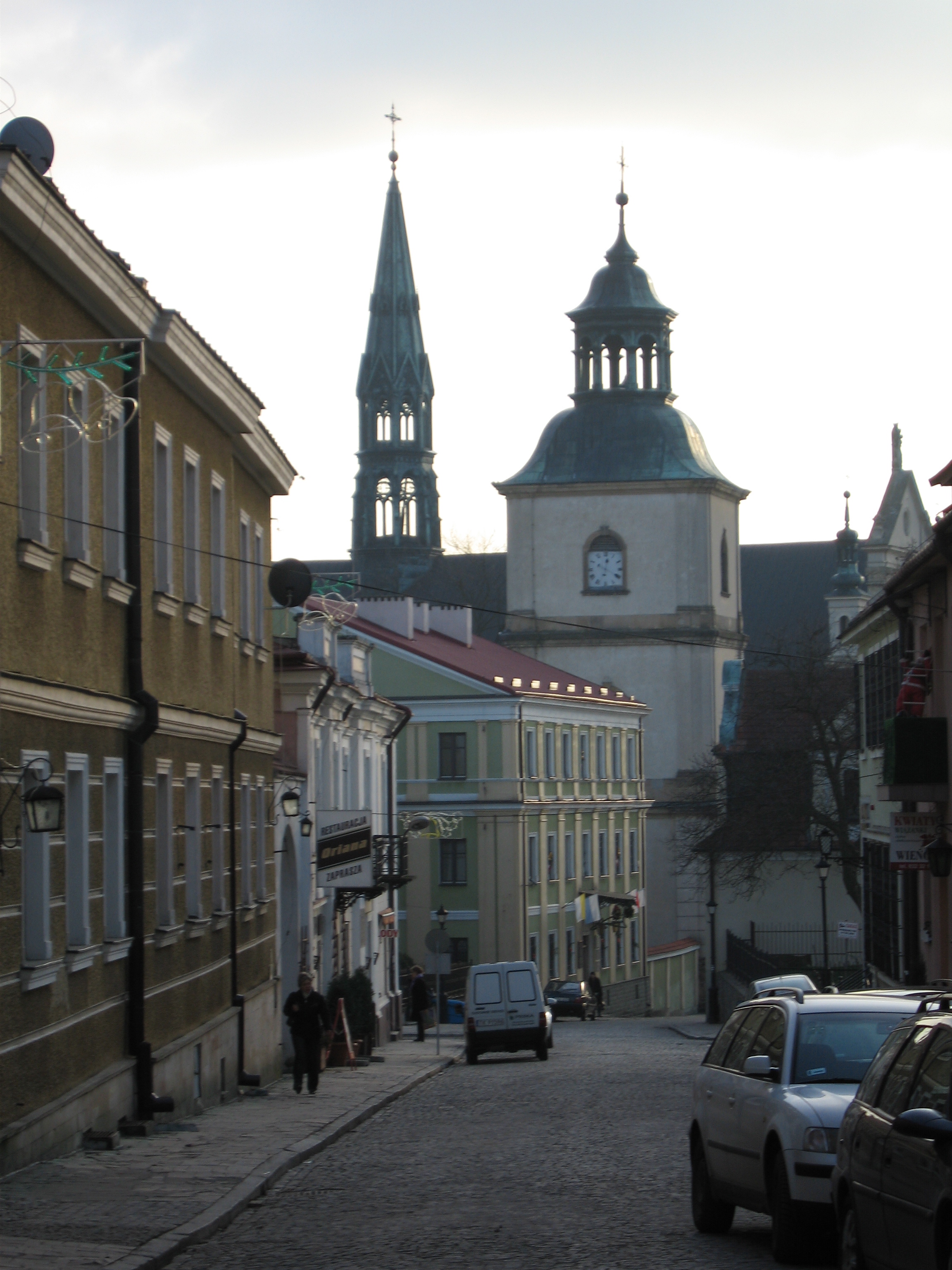
Old Sandomierz

There is a region in southeastern Poland – the one I come from – called Małopolska. The name somewhat awkwardly translates into English as Lesser Poland but let me assure you there is nothing “lesser” about it as far as things to do and places to see. For one, the region’s capital is beautiful Kraków on my top 10 list of cities anywhere (ok, I may be somewhat biased =) Sandomierz, although not as well known to tourists, is equally beautiful, historic, and worth a visit.

Back in the Middle Ages, it was one of the largest and most prosperous cities in Poland, a residence of princes and kings. In the 1200s the city was seriously damaged by Tatar invasions. The most infamous raid took place in 1259-60 when the Tatars massacred 49 dominican monks in St. Jacob’s church after successfully laying siege to the city. That event has become foundational for many legends such as that of Salve Regina hill (the monks were singing Salve Regina hymn as they were preparing to meet their maker). The legend says that a giant bull raised by the monks ran after the Tatars in the direction of Kraków to avenge its keepers but could not catch up with the horde. Enraged, the bull dug a large mound with its hoofs and carved “Salve Regina” on the hillside with its horns. A great introduction to that early Sandomierz, shrouded in legends, is the Underground Route touring 470 metres of clandestine passages and multi-story cellars once used by cityfolk and merchants. Read the rest of this entry

Charm and ceviche in Coconut Grove

Standard

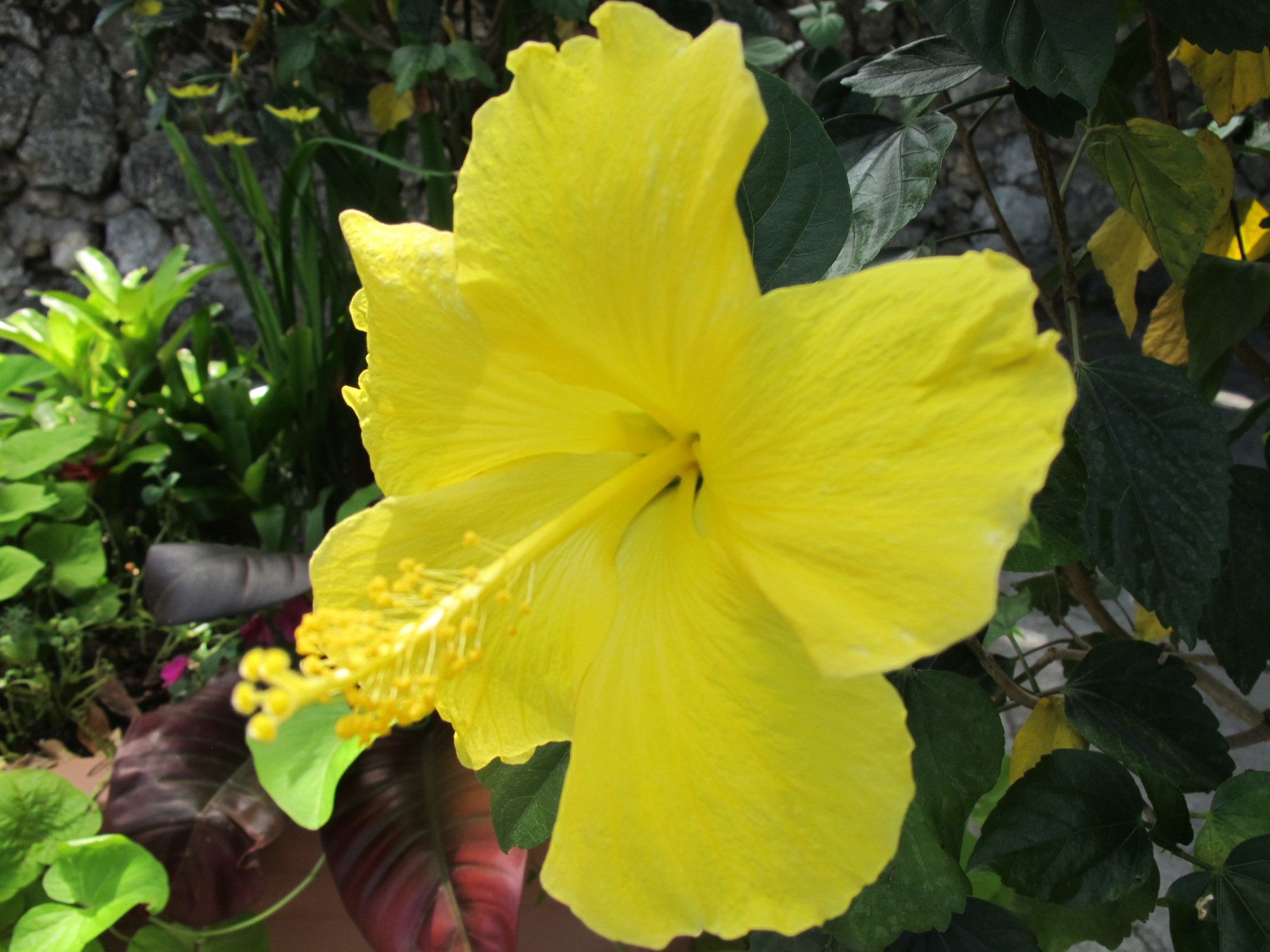
Coconut Grove hibiscus

If Miami had an old town, it would be Coconut Grove, its oldest continuously inhabited neighborhood. It was originally settled in late 1800s and annexed by Miami in 1925. And even though little of the frontier character remains, Coconut Grove still has its unique village-like feel (if you can tune out high rise hotels). Fortunately, it’s easy to find places where the past comes alive.

One of them is the Barnacle Historic State Park with the oldest house in Miami still in its original location having survived several murderous hurricanes. Just like a barnacle clinging to a sea rock, the house has stuck to the edge of the Biscayne Bay since 1891. It was built by Ralph Middleton Munroe, originally from New York, who bought bayfront property among the wilderness of Florida hammock (tropical hardwood forest) for… $400. Ok, it was quite a bit of money back then! Read the rest of this entry

Meet Pristina

Standard

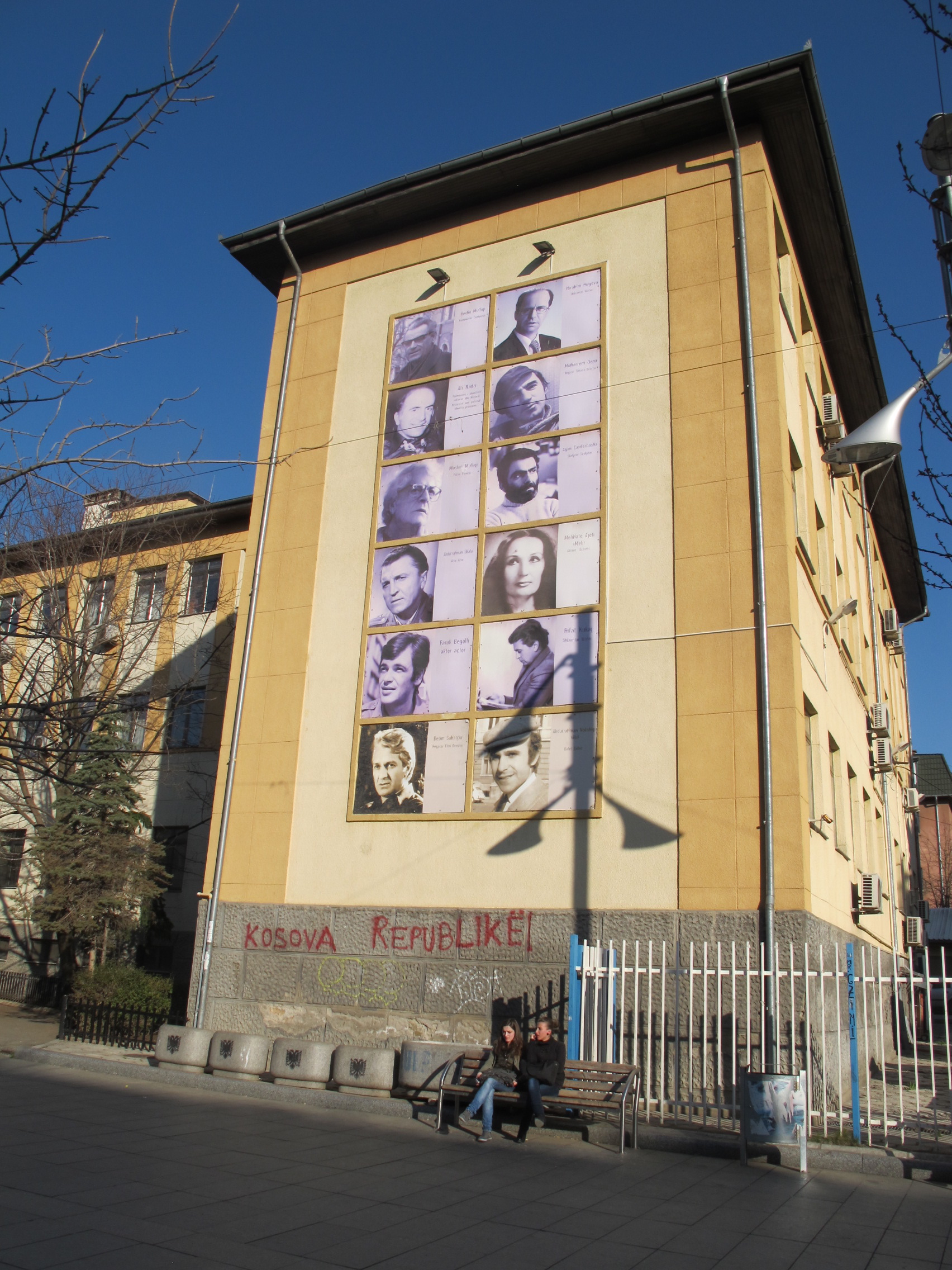
Pristina Street

When I travel I am always unconsciously on the lookout for the Polish connection. Coming to Pristina, I didn’t have to look very hard. In fact, the very first thing I saw when my plane touched down was… the Polish government’s plane parked on the tarmac next to a giant Luftwaffe aircraft. As it turns out, Poland’s President Bronisław Komorowski just flew in for a one-day visit with Polish troops and police serving in Kosovo as a part of the EULEX mission (ca. 220 soldiers and 120 policemen currently).

Having felt instantly welcomed, I built a better rapport with Pristina than I thought I would. While few visitors fall in love with this city, the negative things I read about it felt rather exaggerated in retrospect. Guidebooks warn about anything from potholes to feral dogs but while indeed street and sidewalk quality leaves much to be desired, Pristina overall felt extremely safe and – at least to me – rather familiar. It could well be anywhere in Central Europe except for more mosques than churches. One big difference is the demographics. As Europe in general ages, Kosovo has extremely young population with 50% of its people under 25 and 70% under 35 years. These statistics can be easily verified by strolling along the all-pedestrian Mother Teresa Boulevard where you mingle with predominantly young, and unexpectedly fashionable, crowd avidly window-shopping and sipping macchiatos in ubiquitous cafes. Read the rest of this entry

Best of cherry blossoms

Standard

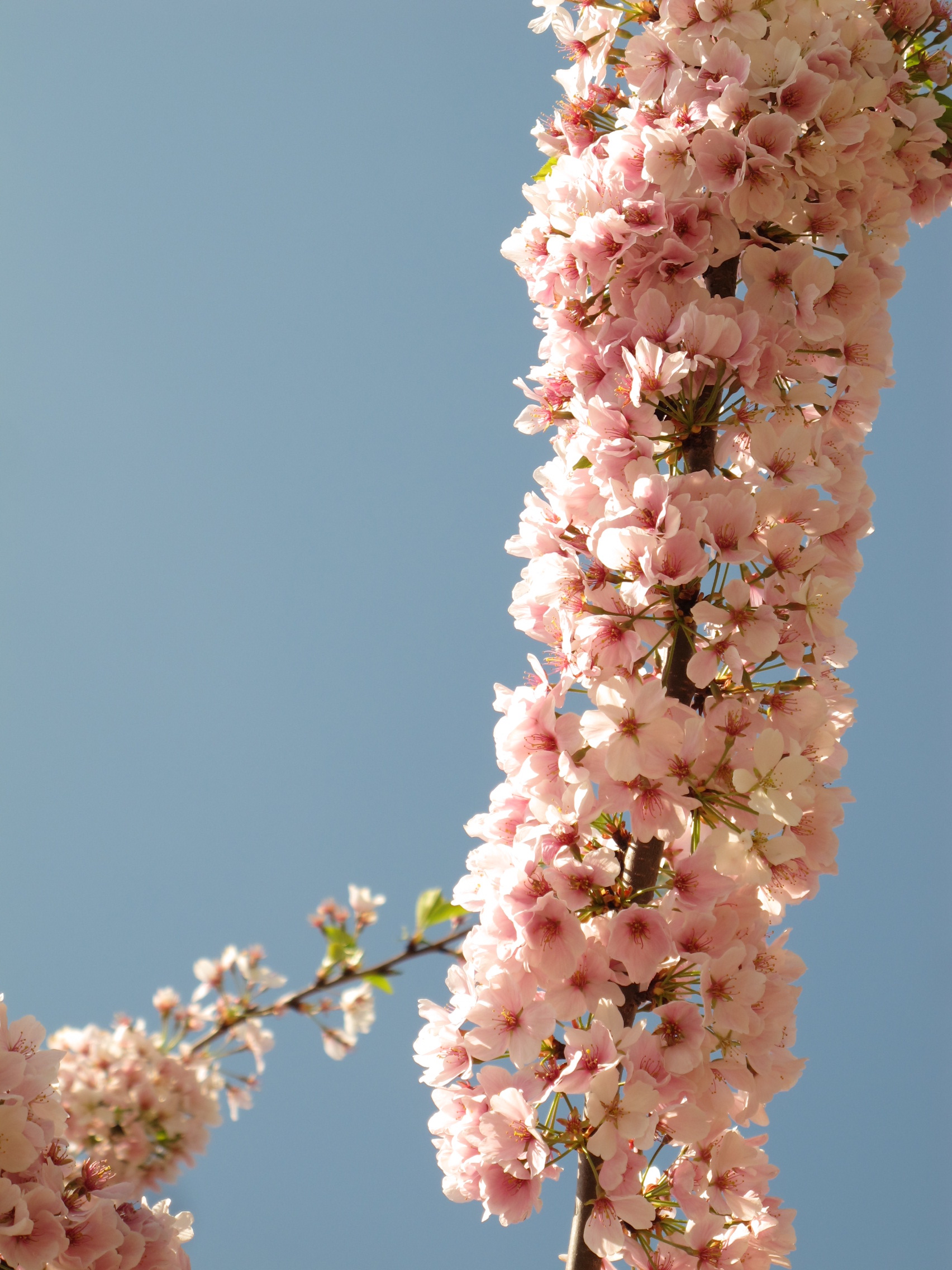
Japanese cherry blossoms were planted around Washington’s Tidal Basin in 1912 as a gift of friendship between the two nations. Actually, the initial batch of 2,000 trees arrived two years earlier but became infested with pests and had to be destroyed – fortunately the second attempt was successful. Ever since every spring cherry blossoms draw crowds of enthusiasts and photographers to DC, myself included. Each year they also inspire dozens of haiku writers to capture the special moments courtesy of the delicate blossoms. I have to say given what’s going on in here this one (submitted to the Washington Post by dmor) is my favorite:

“Beautiful flowers
Pretty and ephemeral as
Bipartisanship”

This year the timing and the weather didn’t quite work out for the optimal peak blooming viewing of the cherry blossoms – at least for me. So instead of trying to scramble for miserable shots of half-fallen blooms, I hereby present my best of collection from the last few years. Following in the footsteps of past generations… Read the rest of this entry

A musical journey to Dakar

Standard

Senegalese sand painting

Before I ever thought I would visit Senegal I already felt I knew it because of one person: Youssou N’Dour. I don’t remember how I first came across his music but I instantly fell in love with it even though I don’t know Senegal’s Wolof language at all and French only in a cursory fashion. (Side note: if I were serious about learning French one day, I would want a Francophone African as a teacher – they actually annunciate =) He was born in Dakar’s Médina district, started performing at age 12, played with the band Étoile de Dakar, and eventually gained worldwide fame as one of the most celebrated African musicians. You may not know his name, but you’ve probably heard him in a hit duet with Neneh Cherry, 7 seconds.

N’Dour’s music captures the heart of Senegal: mbalax dance rhythms mix traditional griot (West African singer-storyteller) music and drumming with Western genres such as jazz, soul, and rock. Here is the best description of mbalax I’ve come across: “This is highly addictive, popular music with an exotic touch that makes you want to pack your bags and explore Senegal!” Read the rest of this entry

Frida Kahlo in Rosslyn

Standard

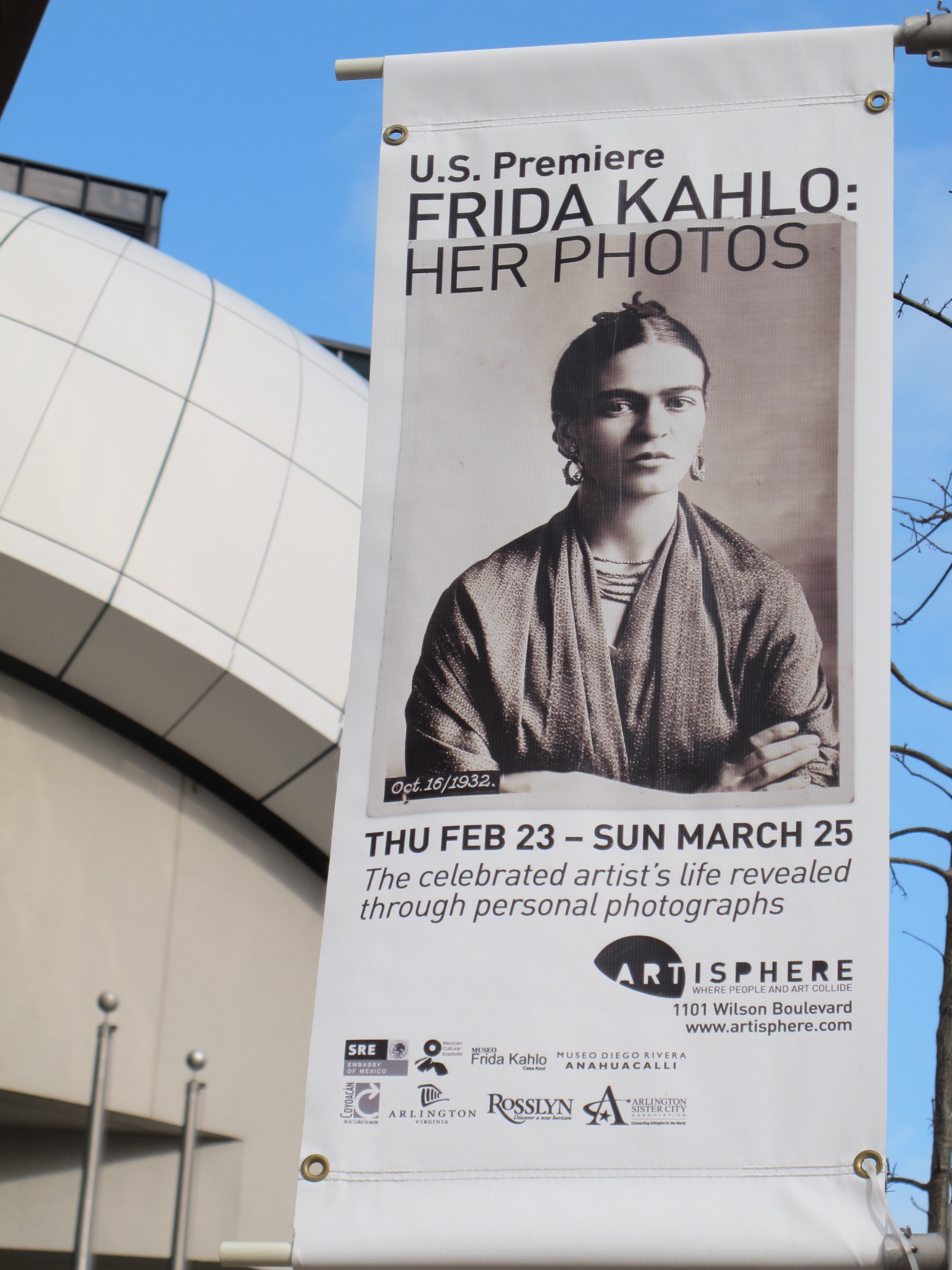
Frida in Artisphere

Today I had a chance (last chance since the exhibit is closing) to see 259 photographs from Frida Kahlo’s personal collection, in storage and sealed until 2007 and for the first time on display in the U.S. in Rosslyn’s Artisphere. The images were divided into six thematic collections. The Origins shows the photos of her family, including many portraits of her Mexican mother and German father. The Blue House documents Frida’s life in her beloved Casa Azul where she was born in 1907, lived for years, and died in 1954. The Broken Body shows the physical pain that permeated Frida’s life ever since a tram accident crushed her pelvis and fractured her spine, requiring more than 30 surgeries over the years. Loves, The Photography, and Diego’s Eye focus on portraits and candid moments of Frida and the people who mattered in her life, notably husband Diego Rivera. I learned three pieces of trivia from the exhibit:

    1. Frida’s mother was of Tehuana heritage (from the Isthmus of Tehuantepec area). Frida looked exactly like her, unibrow and all.
    2. Her father was born in Pforzheim, Germany, changed his name from Wilhelm to Guillermo when he moved to Mexico.
    3. Arlington, VA and Coyoacán in Mexico City are sister cities.

Read the rest of this entry