Author Archives: Ania

Unknown's avatar

About Ania

I like to think about travel as a 4D experience, a space-time thing that I occasionally manage to capture on my blog.

Warsaw in old photos

Standard

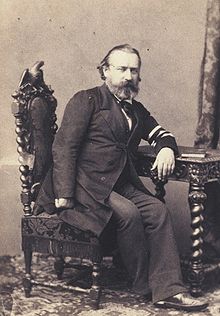
Continuing with the theme of historic photographs, I found some fascinating images of Warsaw from the 1860s – the oldest surviving images of the city. They were taken by Karol Beyer, the father of Polish photography, who in 1845 became the first professional photographer in Warsaw. Over the years he took a series of photographs of Warsaw and other Polish cities that today are priceless documents of those times. He also captured hundreds of portraits immortalizing the locals (and himself in several self-portraits like this one here).

A little history background: in Beyer’s time there was no such thing as Poland, politically speaking, since the partition of 1795 between Russia, Prussia, and Austria-Hungary erased it from the map of Europe for the next 123 years. Warsaw became a part of the Russian Empire. In early 1860s, the unrest was brewing throughout the Polish territories. After a series of demonstrations in different cities, Tsar Alexander II declared martial law on October 14, 1861.

In this photo, taken shortly thereafter, Russian soldiers are camping on the square in front of the Royal Castle. If you’ve been to Warsaw, you surely recognize Zygmunt’s Column in the upper right hand corner. Read the rest of this entry
Russia you’ve never seen before

Standard

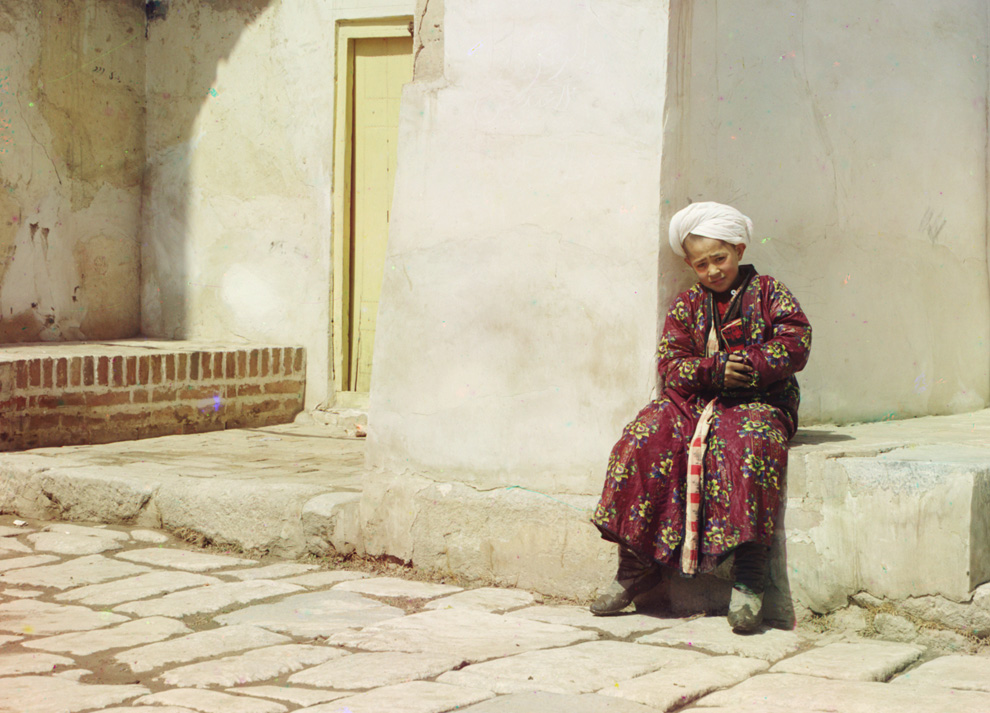
A boy at the Tillia-Kari mosque in Samarkand, present-day Uzbekistan, ca. 1910

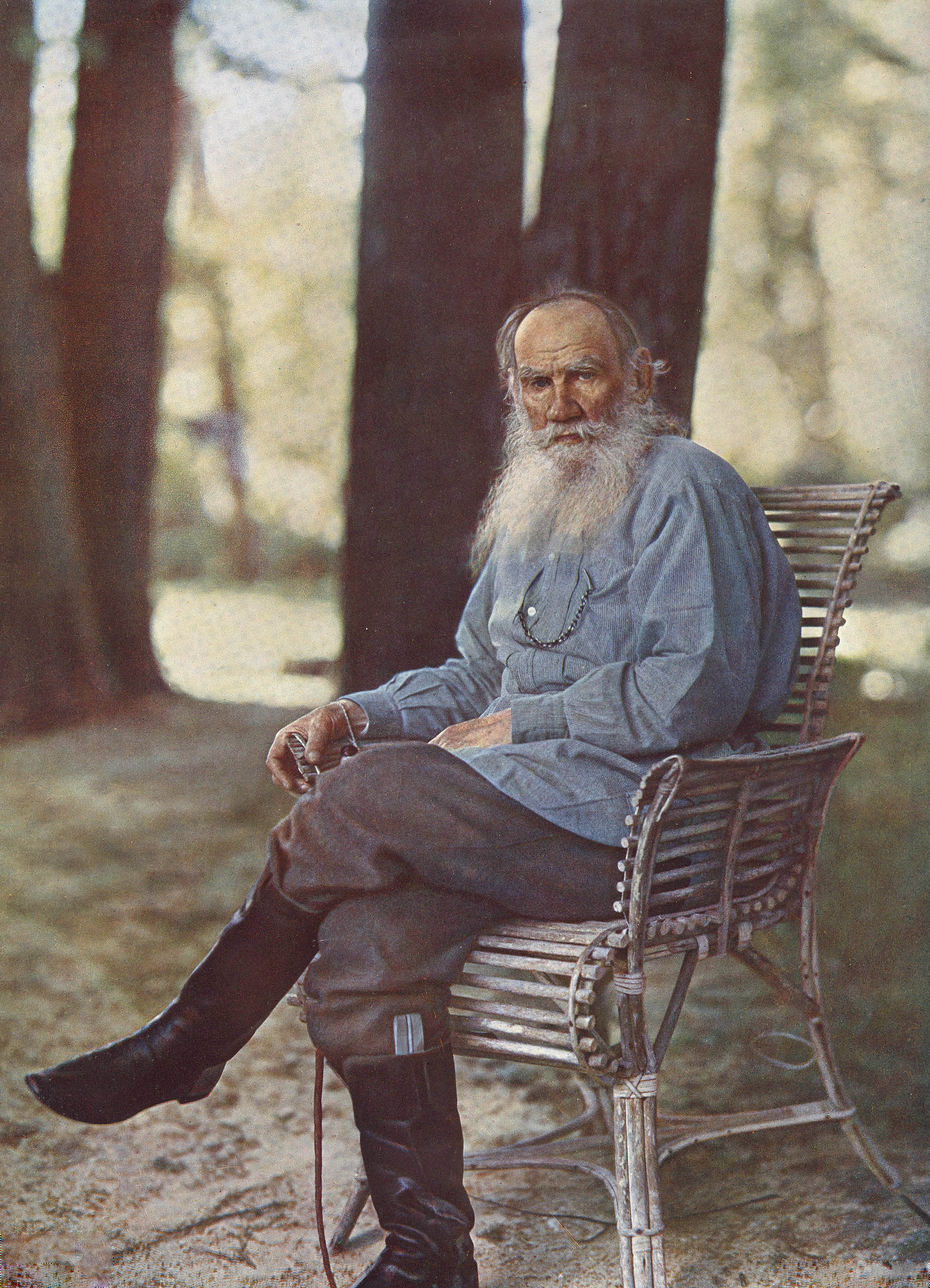
I recently came across some amazing photos from a century ago in Russia that I just have to share! Sergei Mikhailovich Prokudin-Gorskii was an early pioneer of color photography, a skill he honed in his studio and laboratory in Saint Petersburg established in 1901. His most famous photo is the only color portrait of Leo Tolstoy but he’s also known for amazing images of early 20th century Russian Empire. Impressed with his work, Tsar Nicholas II sent Prokudin-Gorsky on a mission to document in color the country’s expanse and its inhabitants. He went on to create a rich collection photos – a real treasure chest of history. He emigrated in 1918 following the October Revolution and settled in Paris, where he lived until his death in 1944.

His technique involved a camera that took a series of three monochrome (black and white) pictures in quick succession, each through a different-colored filter: red, green, and blue. He then projected all three images together to obtain near true color. Read the rest of this entry

Redescovering Frederick

Standard

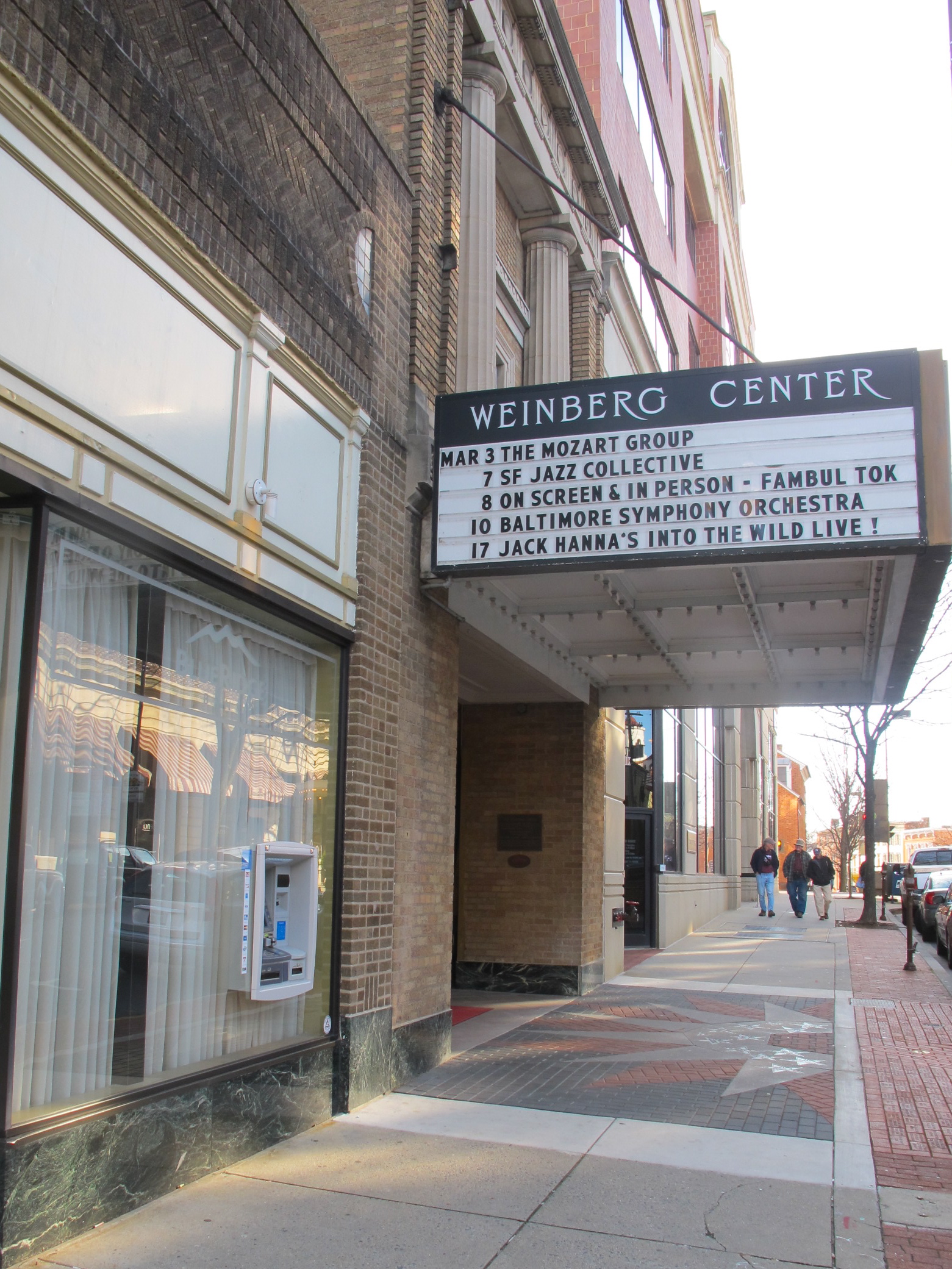
Weinberg Center in Frederick, MD

When wanderlust drives us to dream about far-off places, it is good to remember that you don’t have to travel thousands of miles to experience something new and interesting. In fact, many places that you might have been passing next to without much thought have a lot to offer upon closer inspection. For me, one such place has been Frederick, Maryland. Only about 50 miles north of Washington, for years it has been a stop to stretch my legs when returning to DC from a longer car trip. But it never was a destination in and of itself. Until this weekend.

Frederick is older than the United States. Founded in 1745 by German immigrants, the city quickly became an important intersection of trade routes. In 1804, it was the staging ground for Lewis and Clark’s expedition West (known as Fredericktown back then). Later the city’s location put it in the center of Civil War struggles, with both Union and Confederate troops passing through on their way to the bloodbath at nearby Antietam in 1862 and to the fateful battle of Gettysburg in July 1863. Read the rest of this entry

Post-Mardi Gras respite in Algiers Point

Standard

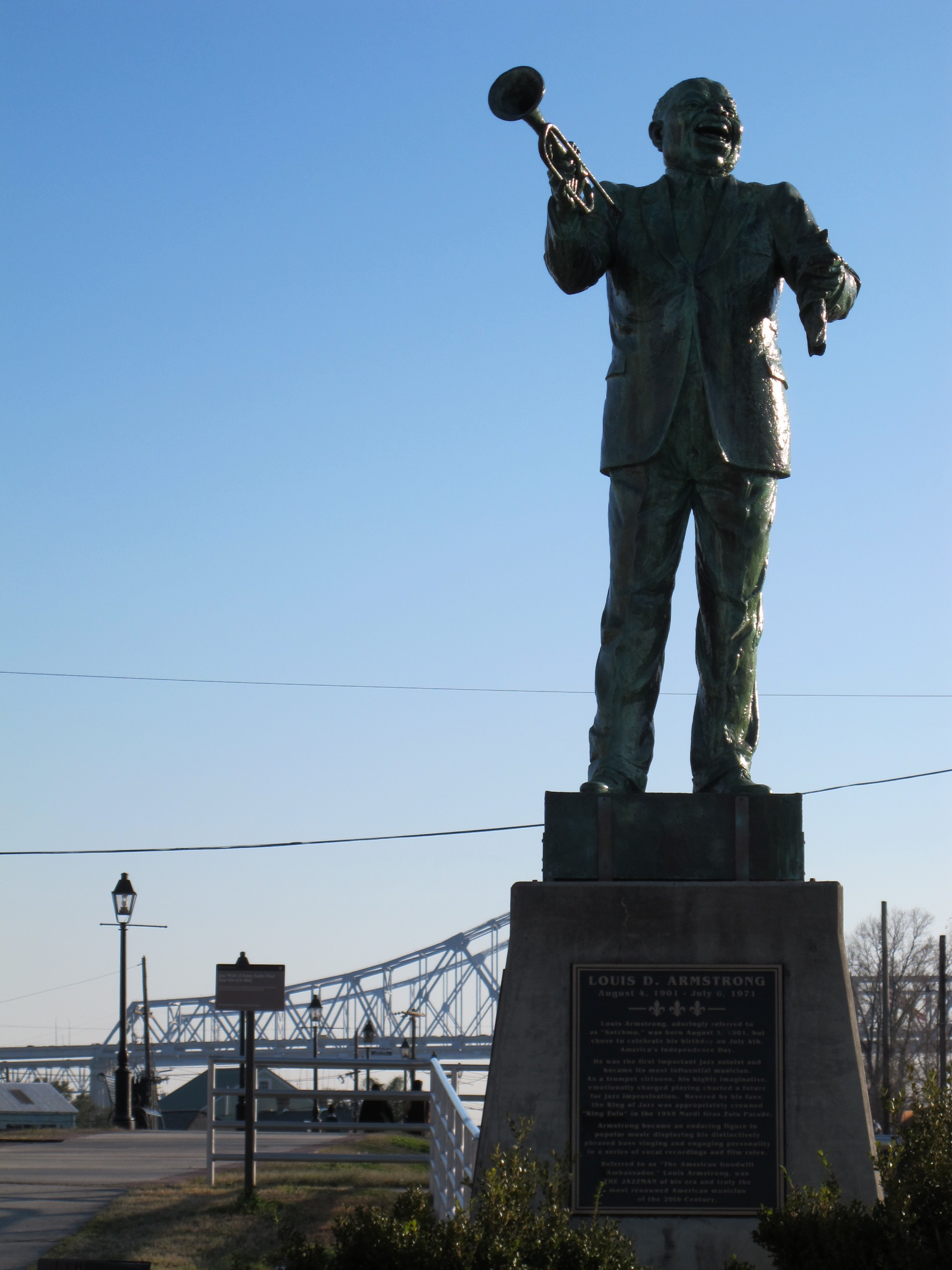
Louis Armstrong statue in Algiers

New Orleans is once again sobering up from the Mardi Gras madness. According to Mayor Mitch Landrieu, “to put it simply, Mardi Gras 2012 rocked.” With 97% hotel occupation rate and busy restaurants and businesses, that’s great news for the city still in the post-Katrina recovery. But those who are leaving NOLA (no doubt with a killer headache) right after Mardi Gras are missing out on some great places to explore beyond the French Quarter. One of those places is Algiers Point.

Anybody gazing across the Mighty Mississippi from Jackson Square has seen it on the other bank. Located directly on the other side of the river bend, Algiers Point is the second oldest neighborhood in the city and used to be a separate settlement until incorporation into New Orleans in 1840. All it takes to get there is just a short ferry ride – the same one featured in Denzel Washington’s 2006 movie Déjà Vu, nota bene the first major film to be shot in the city after its hurricane devastation. No worries, despite what you see in the opening scene the passage is quite safe =)

Crossing the Mississippi provides a whole new perspective on New Orleans. The familiar landmark of St. Louis Cathedral looks remarkable from the water, getting smaller and smaller as the ferry inches toward the Algiers shore. Algiers Point, the oldest part of the Algiers neighborhood, greets visitors with the stature of Louis Armstrong – and the atmosphere of a 19th century village, which can be a welcome respite from Bourbon Street’s din and debauchery. Read the rest of this entry

Presidents’ Day at the Library of Congress

Standard

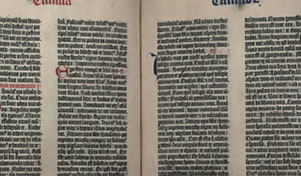
Gutenberg Bible at the Library of Congress (source: http://www.loc.gov)

I’ve been to the Library of Congress many times before and always loved it. The Library was created back in 1800 when the government moved from Philadelphia to Washington, which makes it the oldest federal cultural institution in the U.S. It was initially housed in various parts of the Capitol and not until 1897 did it gain its own separate space known today as the Jefferson Building.

The Great Hall welcomes visitors with two grand marble staircases on each side with larger-than-life female figure holding a torch of electric light, and colorful mosaics devoted to the disciplines such as Theology and Law. This light-filled, soaring space really dazzles with unique works created by nearly 50 American painters and sculptors. And just beyond the point where you pass under the grand “Library of Congress” sign above a tall archway resides a true gem of the Library: Gutenberg Bible. It is one of only three complete copies printed on treated calfskin, or vellum, that survived to this day (the other two are in Paris and London). Read the rest of this entry

The land of pomegranate

Standard

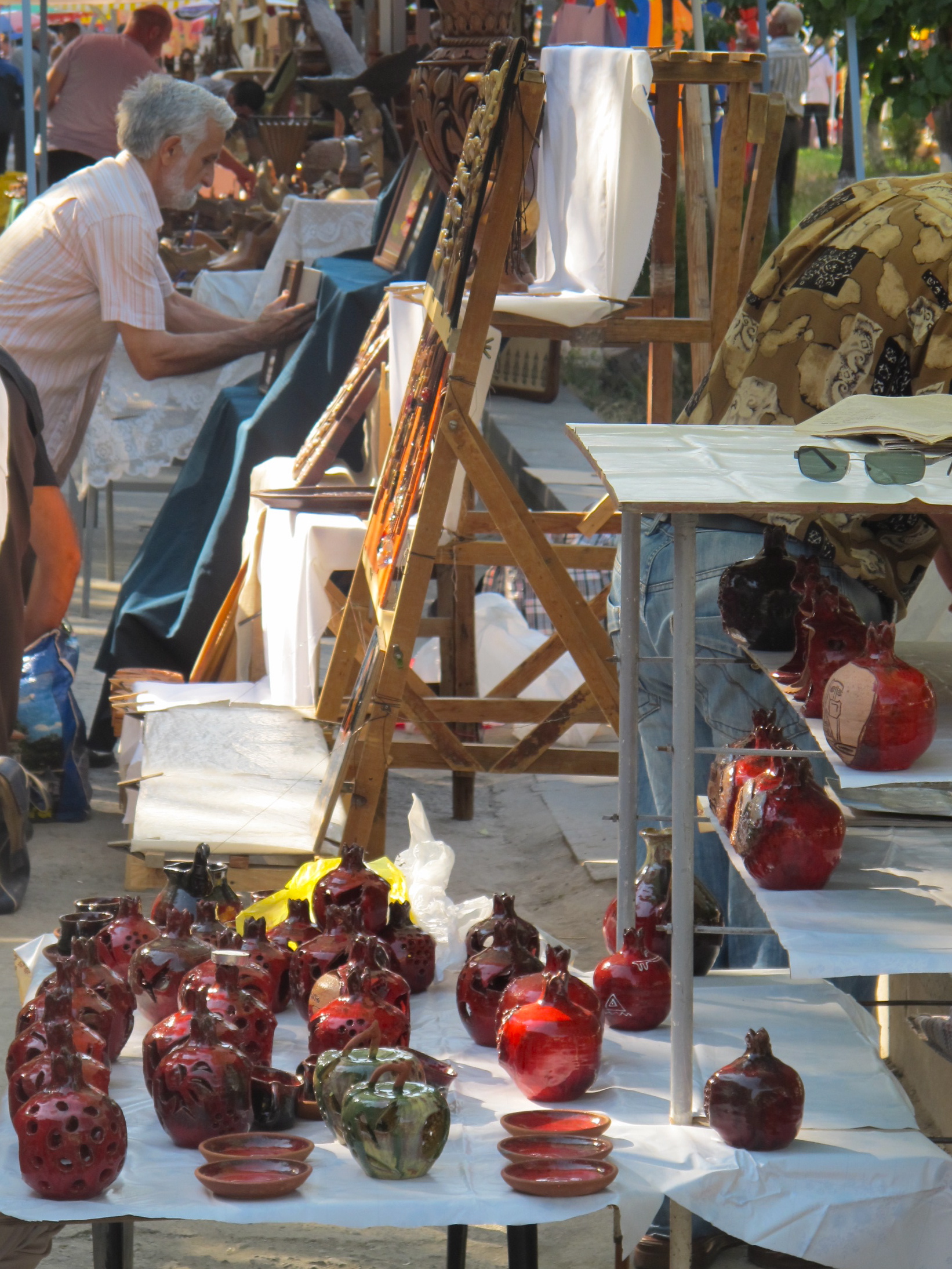
Vernissage flea market in Yerevan

Pomegranate is the central fruit in Armenian culture and a staple fruit in Armenian households worldwide. It’s also an item you are bound to find in all sorts of forms in Yerevan’s Vernissage flea market held every weekend behind Republic Square metro on Nalbandyan street. You can find pretty much anything here, from jewelry and paintings to irons and electric tea kettles. In this bustling bazaar of different shapes and colors, the silhouette and shade of pomegranate is a familiar, reoccurring constant. Pomegranates inspire ubiquitous crimson-red pendants, sway on the wind-rippled surface of delicate silk scarves, glow in the sun reflected off the glazed fruit-shaped clay pots. This ancient symbol of fertility and abundance is still omnipresent today.

Weaving pomegranate imagery into both art and daily lives of Armenians must be at least as old as Yerevan itself, dating back to the 8th century BC when the ruler of the ancient Urartu kingdom built Erebuni fortress on a high point over the Ararat plain. Some claim the name “Yerevan” derives from Erebuni. Others attribute it to Noah who allegedly exclaimed “Yerevats!” (“it appeared”) looking toward what is now Yerevan from the top of Mount Ararat after his ark had landed there and the flood waters receded. I bet he reached for a pomegranate snack right after that =) Read the rest of this entry

A walk though Hanoi

Standard

Hanoi millennium

A friend has just returned from Vietnam with hundreds (literally!) amazing pictures and memories that made me think back to my own trip there in October 2010. My first stop was Hanoi and it was a very special time to be there since that month the city celebrated the millennium of its founding. That anniversary was really hard to miss given signs and banners hanging all around to proclaim Hanoi’s 1000 years – 1000 năm. From these signs I also learned the Vietnamese spelling of the city’s name: Hà Nội, which means “between rivers” i.e. in the Red River delta, and its former name Thăng Long, or “Rising Dragon.” Before this trip my image of Hanoi was rather bleak. I didn’t really know anything about it but pictured a drab, gray, repressed, somewhat sinister Stalinist-style place. Nothing could be further from the truth! In fact, the first thing that struck me was Hanoi’s intimate, human scale. Read the rest of this entry

The city of roses and bridges

Standard

Portland roses

Thinking about Washington, DC streetcars made me think about Portland – and how easy it was to get around without a car. The Portland Streetcar, which opened in 2001, is the first new streetcar system in the U.S. since WWII. Combined with the network of MAX light rail it makes for a great public transportation system – unfortunately a pretty rare thing in this country. Portland is just such a friendly and pleasant place! Public transportation that works is just one element of it. The city also consistently ranks as one of the “greenest” in America based on a variety of economic, environmental and clean tech categories.

Portland is called the City of Roses – quite deservedly. There are several theories as to where that nickname came from but the undisputed fact is that roses have a long tradition here. Back in 1888 the first show of the Portland Rose Society took place and Portland Rose Festival has been an annual tradition since the early 20th century. Not surprisingly, the place not to miss on a visit to Portland is rose related: the International Rose Test Garden. Read the rest of this entry

Streetcars of yore and of tomorrow

Standard

New DC streetcar (image source: http://dc.gov)

As a European I have a special fondness for streetcars. Yes, they can be noisy and a bit slow but they get you where you need to go and all that Old World charm makes me love them! But they are not as easy to find on this side of the Atlantic. American cities used to have streetcars aplenty but due to a variety of factors – not the least of them being the determination of Big Oil and Big Auto to put everybody behind the wheel of a car – few survived various so-called urban redevelopment plans and suburban sprawl. For one, January 28, 1962 marked the end of the century of streetcars in Washington, DC (literally: the first line started operating in 1862). It makes this year a round 50th anniversary of a streetcar-less city. Read the rest of this entry

The treasures of Tulum

Standard

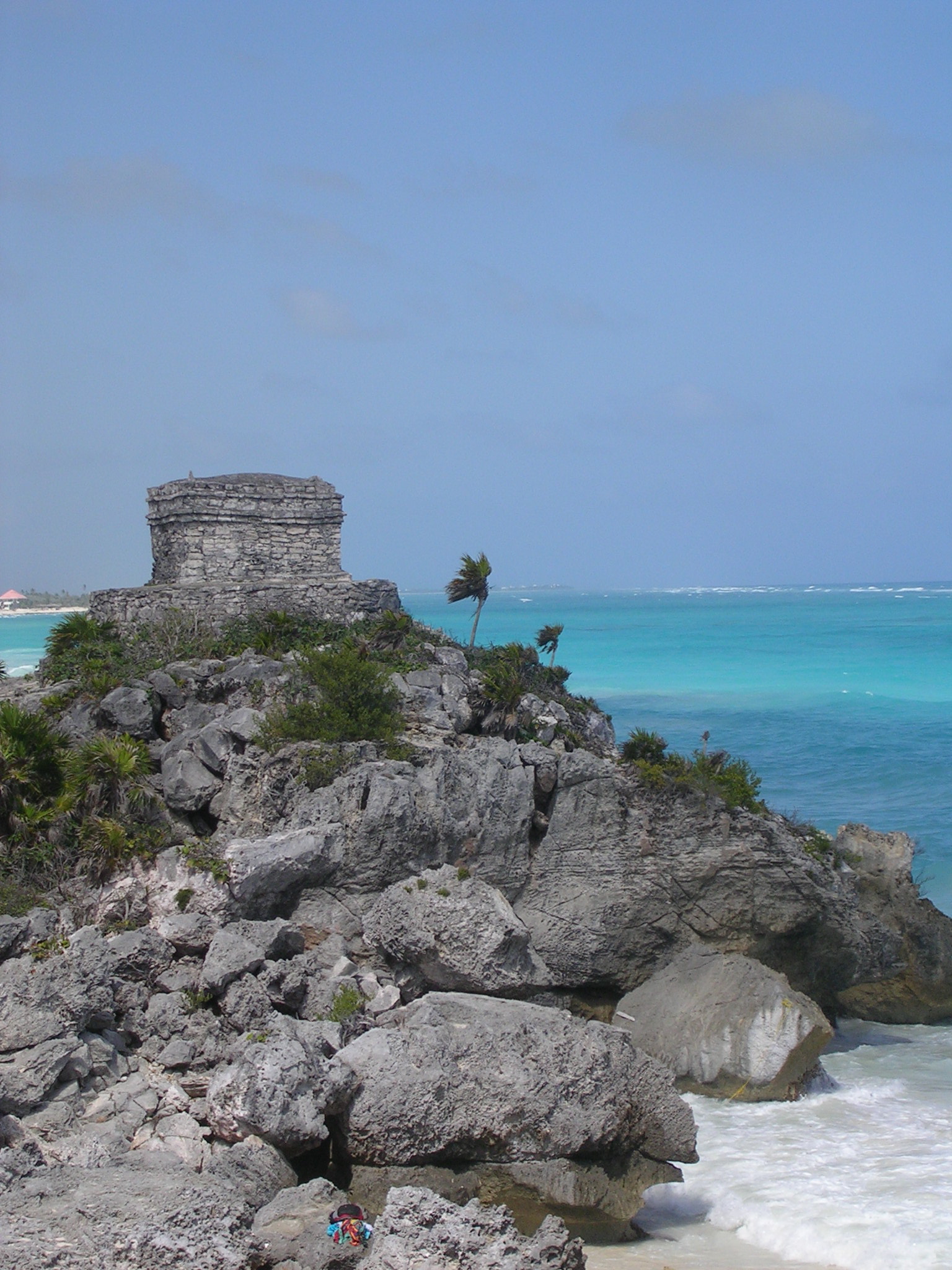
Templo Dios del Viento, Tulum

“We followed the coast day and night and the next day toward sunset we sighted a city or town so large that Seville would not have appeared bigger or better; one saw there a very large tower; on the shore was a great throng of Indians, who bore two standards which they raised and lowered to signal us to approach them; the commander did not wish it. The same day we came to a beach near which was the highest tower we had seen.”

That is how Juan Diaz described Tulum in 1518. Diaz was a member of a Spanish expedition of four ships and two hundred men led by Juan de Grijalva and organized by the governor of Cuba eager to find Mayan gold. They first landed at Cozumel island and continued south, soon reaching the walled city. The tower that Diaz was so impressed with was El Castillo, a pyramid facing the ocean that served as a watchtower and a lighthouse and is Tulum’s trademark till today. When I saw the ruins on my trip, I could imagine the conquistadors sailing by in their ships, mouth agape, staring at a mighty fortress perched on the top of a rocky coast. They were the first Europeans to see Tulum – or at least the first ones to write about it – and must have been quite in awe given Diaz’s admission that it could rival a contemporary European city. Seville-in-the-Caribbean survived seven decades after the Spanish conquest but eventually was abandoned when the Old World diseases decimated the local population. Read the rest of this entry