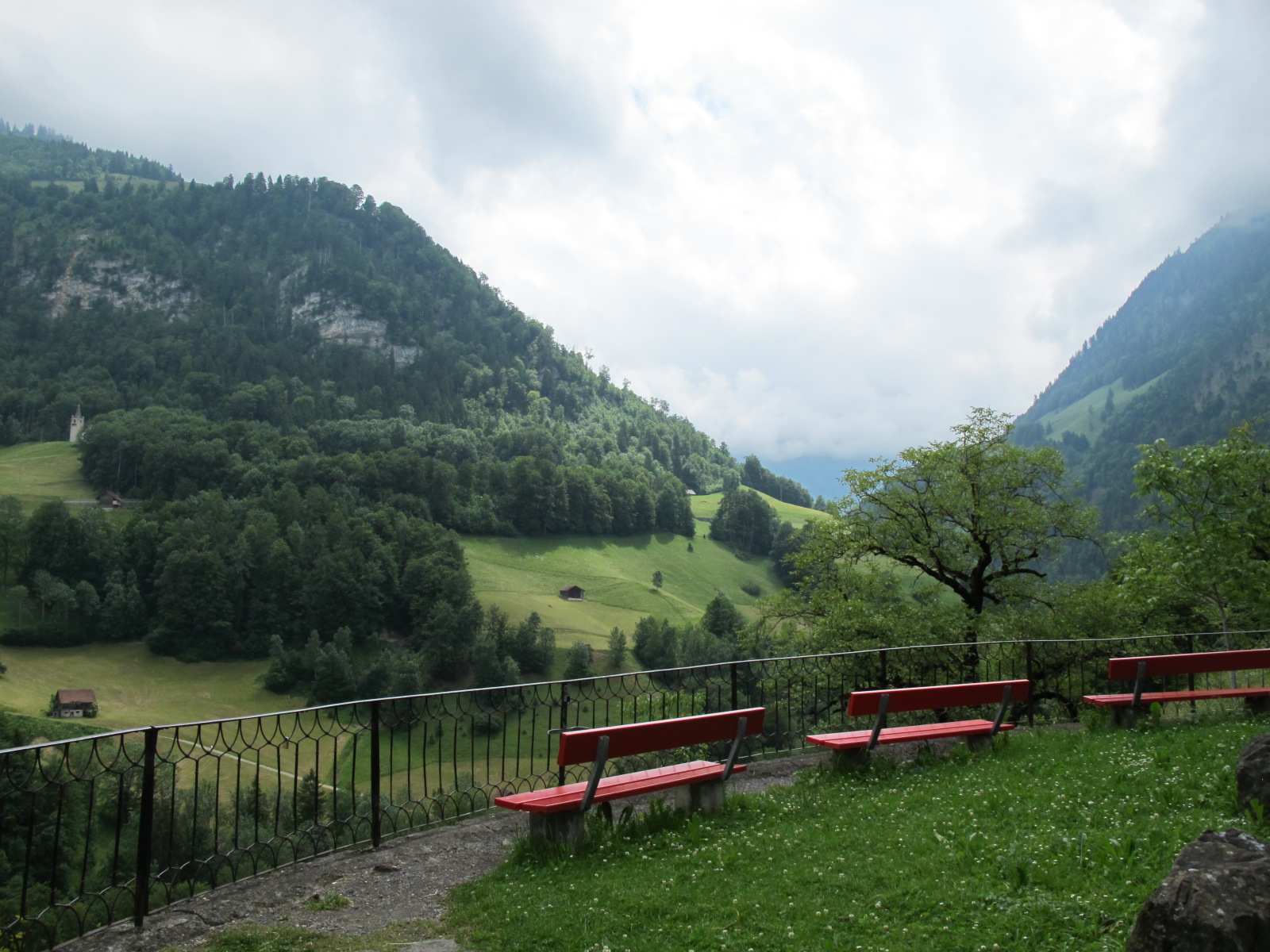
Just two hours south of Zürich a charming, tiny mountain village of Flüeli-Ranft sits high above lake Sarnen at the entrance of the Great Melch Valley. This is Switzerland as idyllic and picturesque as it gets: wooden houses with bright window shutters scattered on green slopes, colorful patches of wildflowers clinging to rocky paths, and distant sounds of cow wells carrying through the valley. In the morning the air is sharp and fresh, and dense fog envelops the surrounding mountain peaks. Warm noon sunlight magnifies the glow of the white-walled 17th century St. Karl Borromäus Chapel centrally perched upon a hill. And the evening stretches elongated tree shadows across the valley, and reflects crimson sun rays in the windows of the magnificent Hotel Paxmontana, the Art Nouveau masterpiece that has been the local hallmark since 1896. Read the rest of this entry
Category Archives: Europe
Beauty of abandoned places

Kolmanskop, Namibia (Image: National Geographic)
It made me look through my own photo collection to find beautiful abandoned places I’ve come across. Here are my top five. How about you? Have you taken any photos of desolate yet striking locations that you’d have to share? If so blog about it and link back – which I guess would officially make this my first-ever travel theme post! Read the rest of this entry
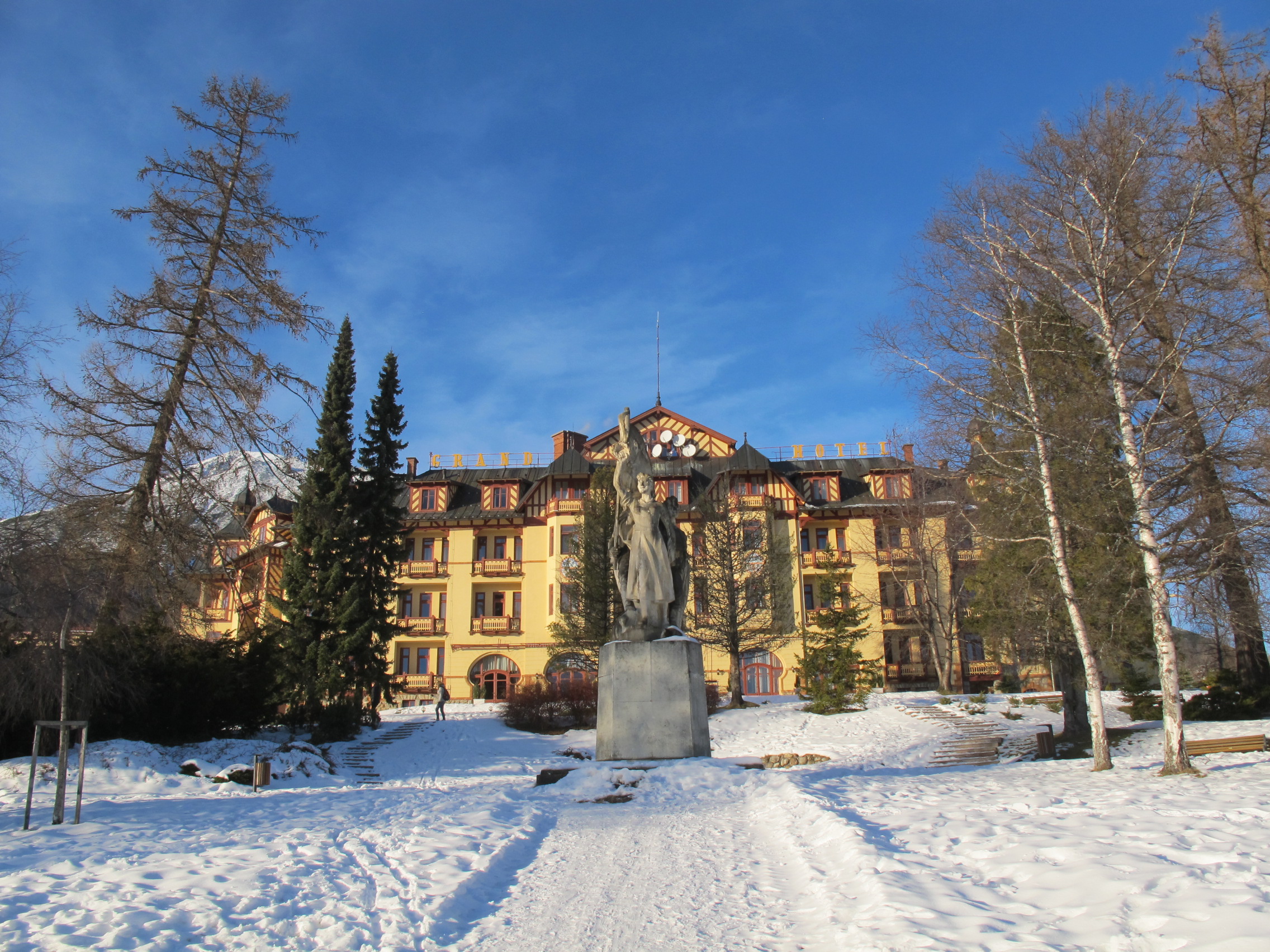
Hiking in the Slovak High Tatras
Starý Smokovec was founded in 1793 and the early settlement grew around the local mineral water springs. Now it is a popular tourist destination adored by skiers and hikers alike, conveniently located on the Tatra Electric Railway line that connects it to the city of Poprad and fellow resort towns Tatranská Lomnica and Štrbské Pleso. Read the rest of this entry
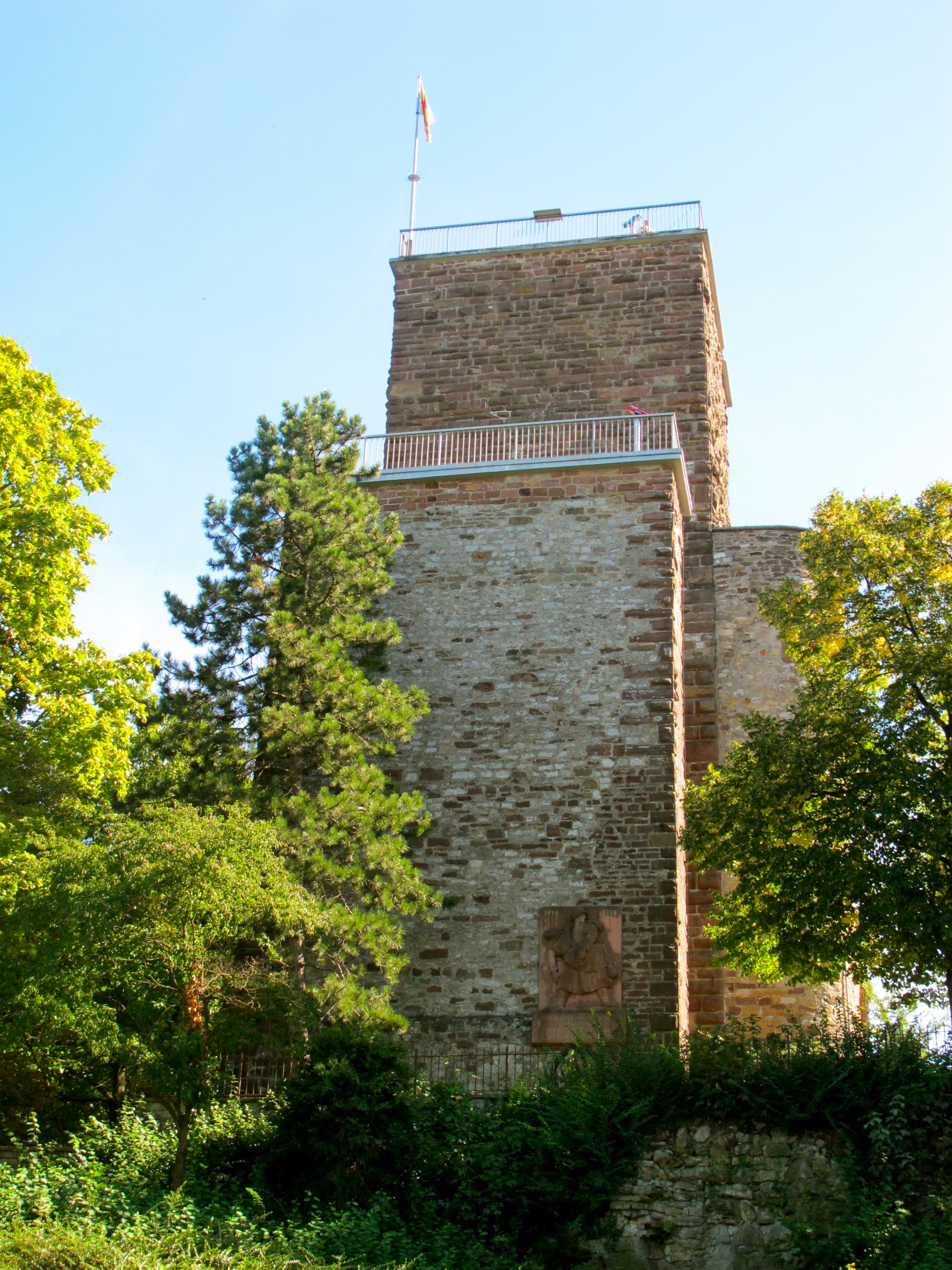
Durlach – the city of fountains
The tower was build between 1230 and 1250 and the reason for its location is as obvious today as it was back then – it’s a great observation point. The top of the hill is green, leafy, and and serene. And the climb up 127 steps from the tower’s base to the viewing platform is well worth it. Red roofs and church steeples, streetcars rumbling along narrow streets, and ancient trees lining even narrower allies. But as great as the view is from above, Durlach only gets better from up close. And there is one thing in particular that makes it so: fountains, fountains everywhere! Read the rest of this entry
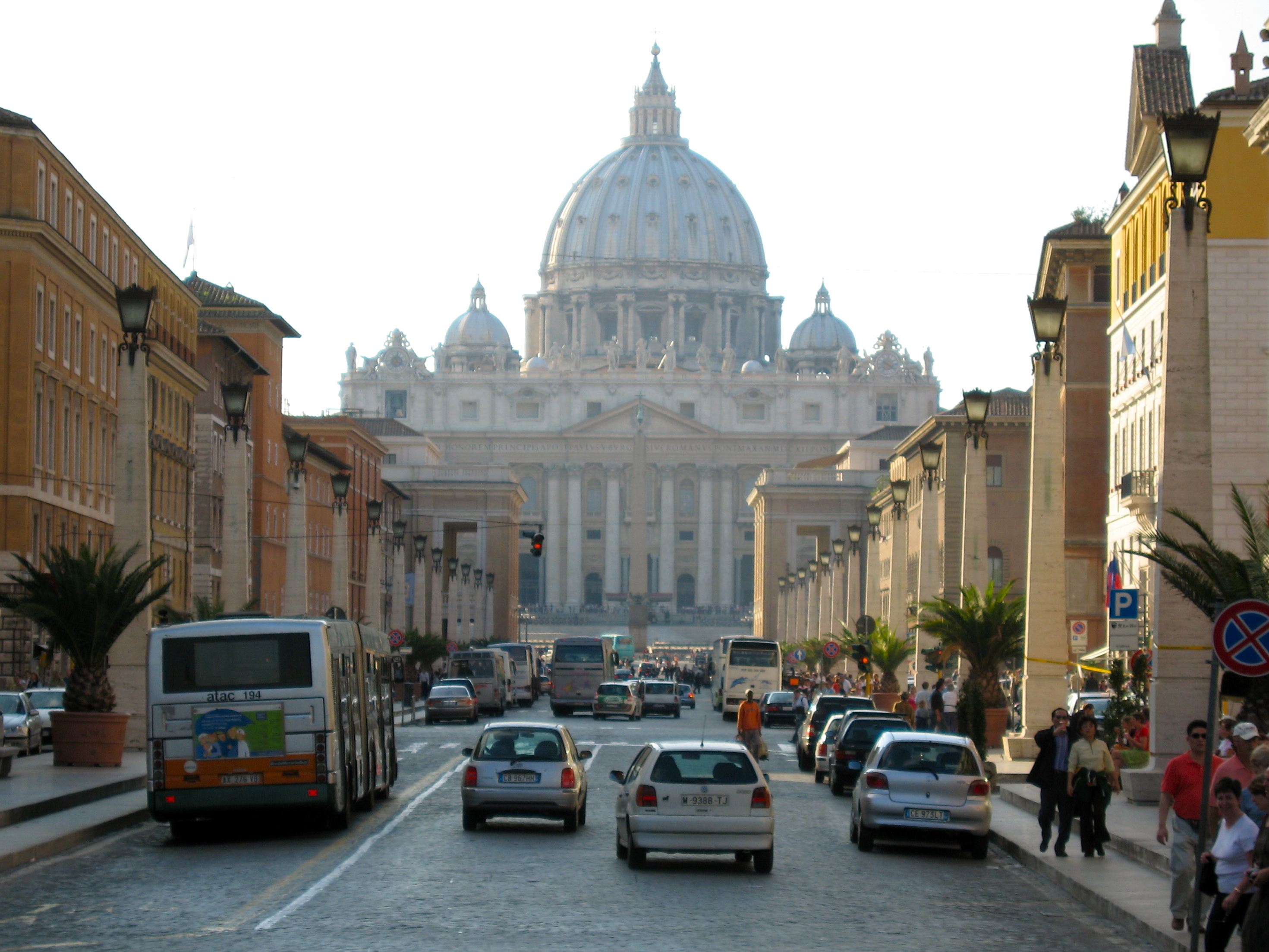
Mysteries of the Vatican
With the conclave electing the new pope about to begin, Vatican is at the center of attention. This tiny state in the Eternal City of Rome occupies only about 44 hectares yet wields tremendous power over the Catholic faithful that stretches around the world. Although Vatican City has existed in its current form only since 1929, its history goes back to the very roots of Christianity as it evolved from a persecuted sect within the Roman Empire to an empire of its own, with popes for centuries equal to kings. Prior to the unification of Italy, popes ruled over the extensive Papal States. Vatican is all that’s left of them today, reducing the pope’s power from considerably temporal, or worldly, to more purely spiritual. Read the rest of this entry
Kraków’s holiday tradition
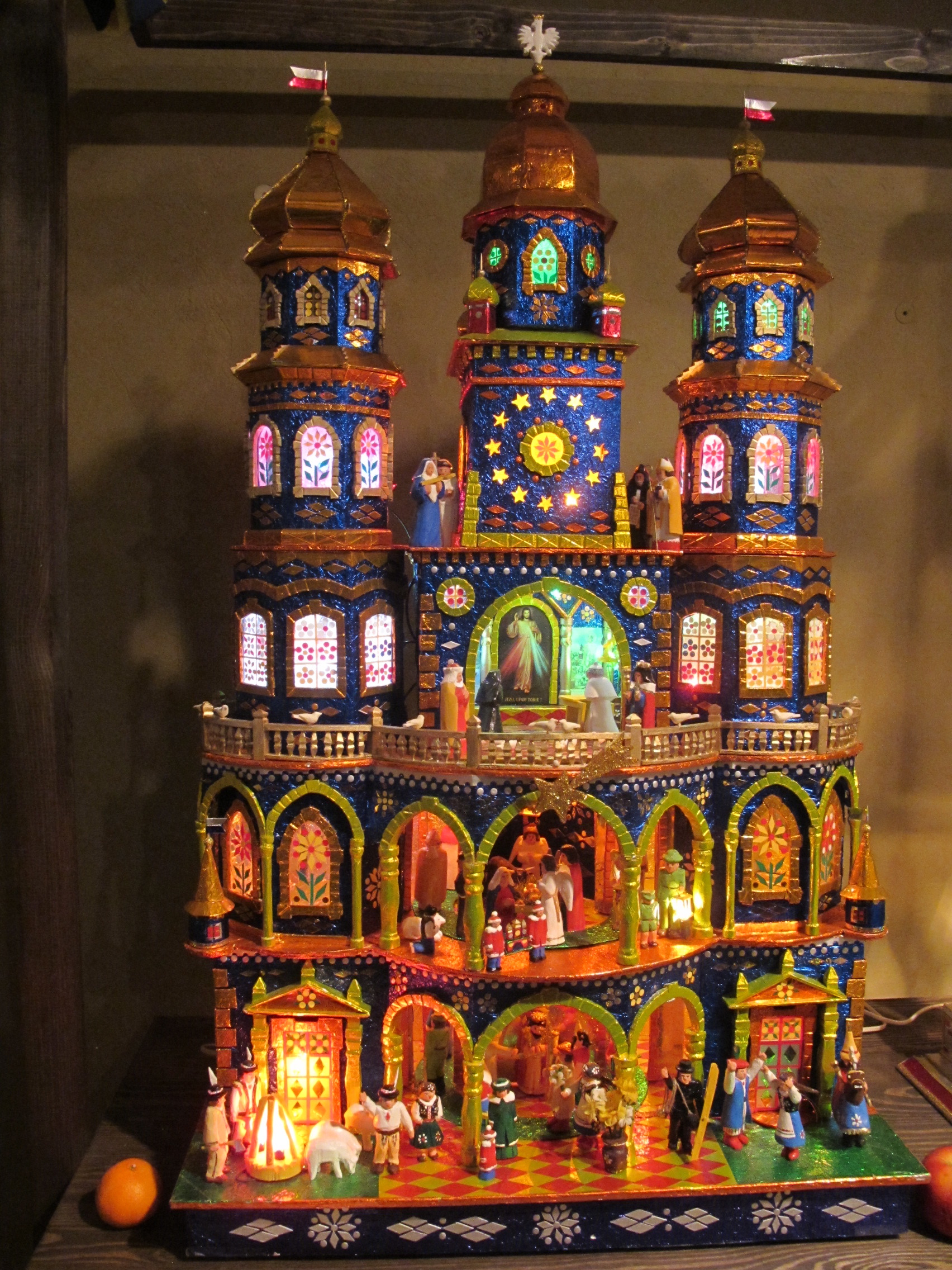
Christmas season in Kraków is unforgettable for many reasons. Festive Old Town churches, sausage sizzling in cosy street booths, colorful street decorations, and that special holiday spirit in the air. But there is one thing in particular about the holidays that’s uniquely special to Kraków: szopki, or nativity scenes (singular: “szopka”). What makes them unique? Szopki are not just classic displays of the creche with Baby Jesus, Mary, and Joseph. Rather, they are elaborate structures that include a mix of Kraków’s architectural hallmarks, with a cast of colorful figurines giving homage to the Newborn – or simply going about their business.
While nativity scenes are common in many countries and date back to St. Francis of Assisi’s 13th century re-enactments of the Christmas story, Kraków szopki are a peculiar twist on that tradition. In their current form they date back to the 19th century when local craftsmen – trying to make a living in a winter season when construction work stopped – started to earn extra income by making the Christmas story come to live in a new way. To preserve the craft, Kraków created an annual competition in 1937 for the most beautiful szkopki. The competition still takes place every year in December at the Main Square and the winners are then displayed in the nearby Krzysztofory Palace. Read the rest of this entry
Polish connection in Rapperswil
Surrounded on three sides by Lake Zurich, the castle is a view to behold. Built in the shape of a triangle, each corner is defended by a mighty tower. Perched on a high hill, it rises above the medieval Old Town – an ancient beacon on the lake. Over the centuries, the castle had many owners as the tides of history changed. It also had a stint as a military base and prison before falling into disrepair in the 1800s. And that is when the Polish connection happened. Read the rest of this entry
Hundertwasser encounter
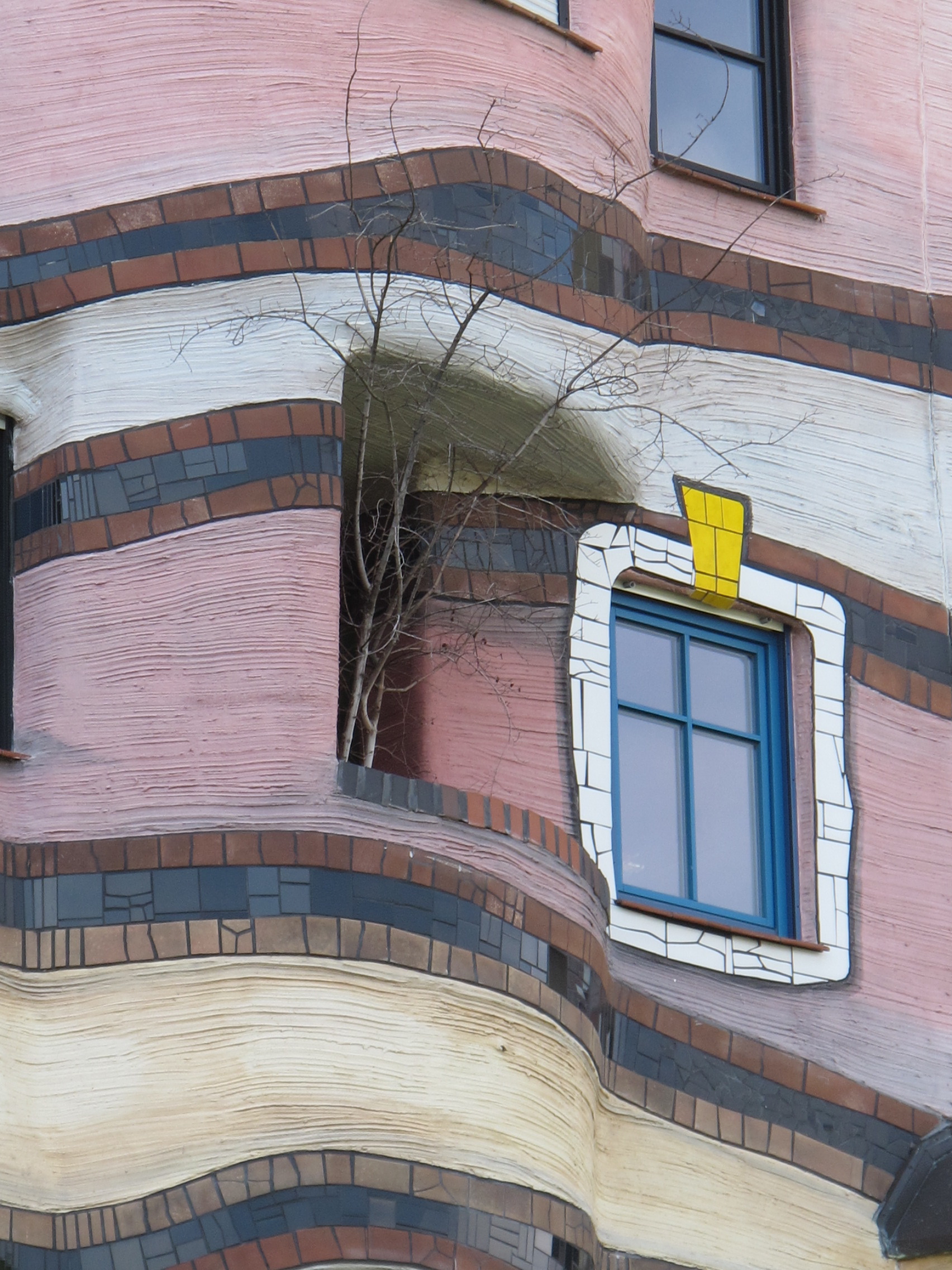
Friedensreich Hundertwasser was a character. Painter, architect, ecologist, he was born in Vienna in 1928 and during a long career created some of the most original works out there. I’m not intimately familiar with his paintings but I fell in love with his architecture. Quirky, eccentric, dream-like – these are some of the words that come to mind to describe his style. Some years ago I saw his most famous building, Hundertwasser House in Vienna, and was really mesmerized by it. In that unusual structure with odd-shaped windows and undulating floors, Hundertwasser’s unique style was clearly on display – and I wanted more. So I was delighted to have another opportunity to see a Hundertwasser building up close and personal last summer in Darmstadt, a city in the German state of Hesse.
Hundertwasser painted his first spiral in 1953 and it had been his artistic credo of sorts ever since. “Gegen die gerade Linie” (against the straight line) is the philosophy that encapsulates his approach. Hundertwasser considered straight lines “the devil’s tools,” associating them with the ills of modern civilization: coldness and sterility of industrial design, detachment from nature, and cruelty of wars fought with man-made machines. He had strong views on the subject: Read the rest of this entry
Prizren – waiting for a rainbow
“March snow swirled across the ancient city of Prizren. Churches and mosques blend here in perfect harmony against a backdrop of narrow hill-climbing alleys, tiny coffee shops, barbers, old-style draper’s shops and jewelers specializing in the delicate filigree work that Albanians love so much. In his office a prosperous Albanian businessman said that if people would just get on with producing things and making money then ‘we would not be in the situation we are now.’”
That was Prizren seen through the eyes of journalist Tim Judah who witnessed first-hand the upheavals of the war he described in his great book Kosovo: War and Revenge. When I was there it was April rain rather than March snow drizzling upon the ancient city. But otherwise the landscape looked the same. Read the rest of this entry
Addicted to Ararat

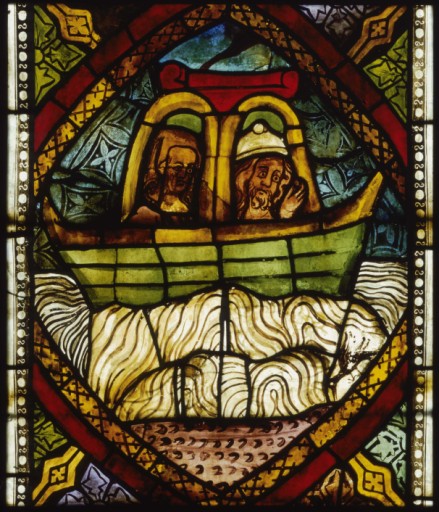
Noah’s Ark – 14th c. stained glass window at the church of St Paul’s at Brandenburg an der Havel (Image: http://vidimus.org)
2 The fountains also of the deep and the windows of heaven were stopped, and the rain from heaven was restrained;
3 And the waters returned from off the earth continually: and after the end of the hundred and fifty days the waters were abated.
4 And the ark rested in the seventh month, on the seventeenth day of the month, upon the mountains of Ararat.
5 And the waters decreased continually until the tenth month: in the tenth month, on the first day of the month, were the tops of the mountains seen.
6 And it came to pass at the end of forty days, that Noah opened the window of the ark which he had made” (Genesis 8)
The Biblical story of Noah and the flood is a story of destruction and renewal, a story of perseverance and hope, a story of finding home after a hard journey. Mount Ararat, where the ark supposedly landed after the deluge, is revered in the Judeo-Christian tradition. Read the rest of this entry