Category Archives: Travel

Dreams in the desert

Standard

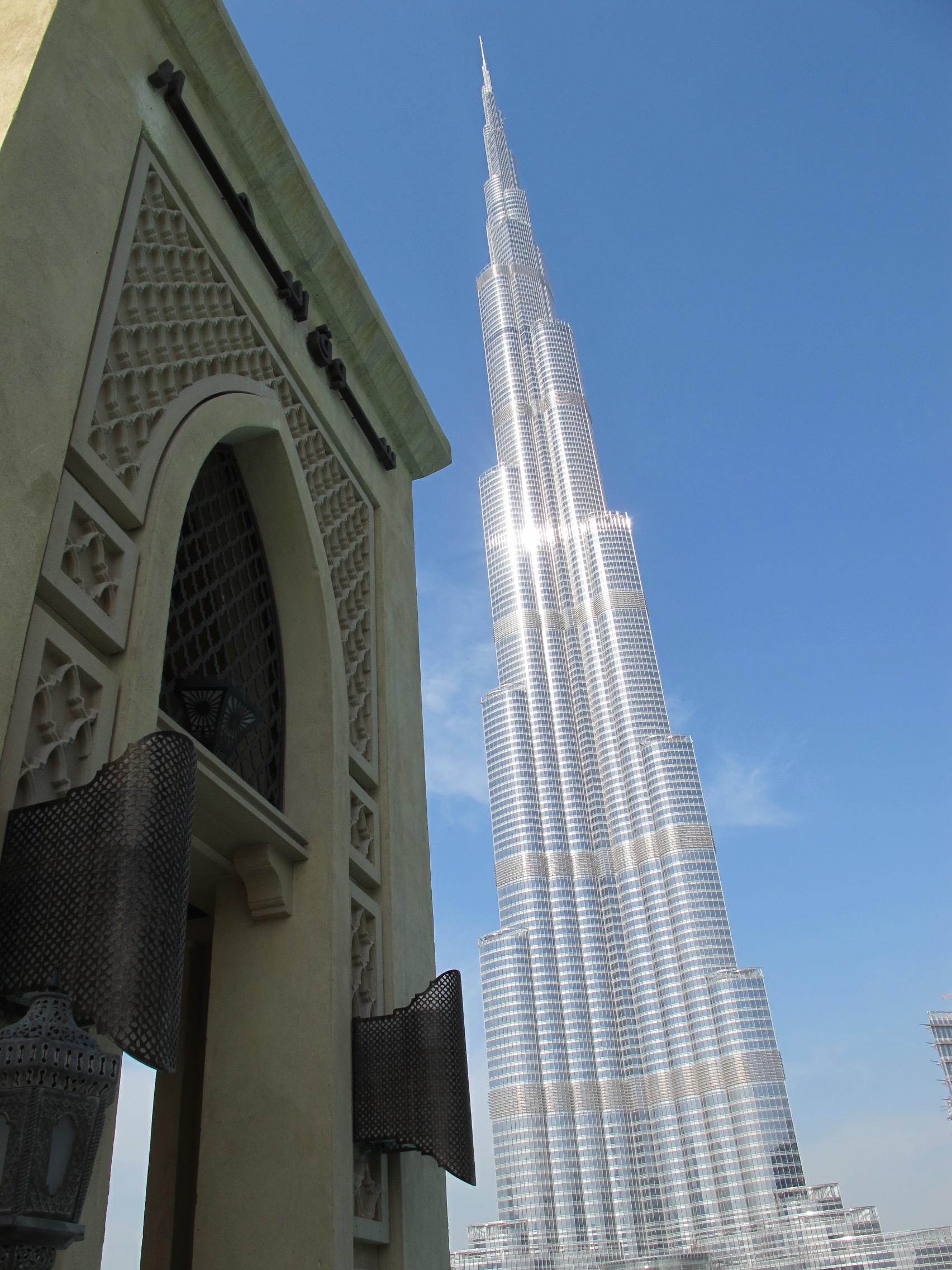
Burj Khalifa from Dubai Mall

Dubai is a city of dreams. Skyscrapers jutting out of the desert seem somehow improbable, unreal. Up until the 1960s, it was a dusty fishing village with faded history of prosperity as a pearl trade port that collapsed in the 1930s amidst the Great Depression (oh yeah, and cultured pearls were invented). That changed when oil was discovered in 1971 and Dubai became a hallmark of making the impossible happen – with lots of cash.

Can you build a sail-shaped structure surrounded by the ocean? Sure, as the iconic Burj Al Arab luxury hotel proves. How about the world’s largest shopping mall? Stop by the Dubai Mall with over 1,000 shops, aquarium, ice rink, 30-acre lake and the world’s largest dancing fountain. The tallest structure in the world? Burj Khalifa, 800+ meters tall skyscraper that opened last year will leave you rubbing your eyes in disbelief. Want to go skiing indoors when it’s 30C outside? No problem, Mall of the Emirates invites you to its 400 meter-long ski slope. Man-made island? Why not – check out the palm-shaped artificial archipelagos off Jumeirah Beach built on sand dredged from the bottom of the Persian Gulf. Read the rest of this entry

Walkin’ to New Orleans

Standard

New Orleans street

New Orleans is an old, thick book that I’ve barely managed to crack open in my two (so far) visits there. But I love it, pure and simple, and can’t wait to get more of it. But then who wouldn’t? It takes one meal at Bayona, a few morsels of chargrilled goodness at Acme Oyster House, or a bite o’beignet at Cafe du Monde to want to stay forever. (Yes, there is a pattern here: a path to my heart often leads through stomach.) Most visitors never venture outside the French Quarter – and although there is surely enough there to keep you busy, there is definitely more to the city. Colorful shotgun houses and beautiful Holy Name of Mary Catholic Church are just a short ferry ride across the Mighty Mississippi in Algiers Point. Impressive mansions – including the house where Jefferson Davis died in 1889 – are only a streetcar-hop away in the Garden District. And then there are the cemeteries. Ancient white vaults, angels cast in stone, and faded names carved on weather-worn tombstones tell the story of generations past. St. Louis Cemetery #1, the oldest one in the city dating back to 1789, is the closest to the French Quarter. It’s just across North Rampart Street and yet ages away, stretching back to the time when this place was called Nueva Orleans. Read the rest of this entry

A frog, a church, and a volcano

Standard

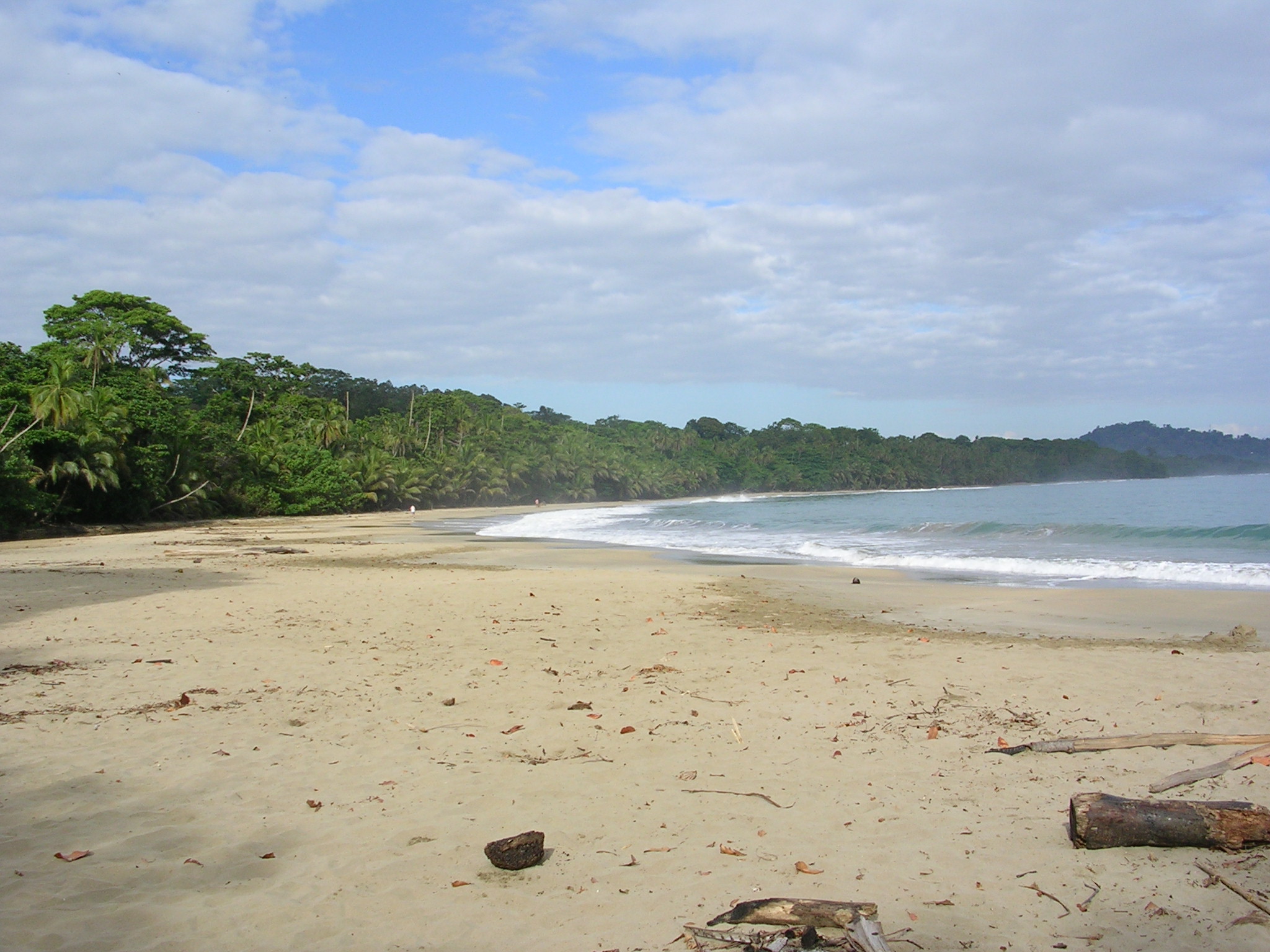
Playa Cocles

There is so much to tell about Costa Rica, whether you’ve been there for just a few days or for months so like everyone else I have to prioritize. I chose three places that capture some of my most enchanting moments there: Puerto Viejo area, town of Orosi, and the Irazú Volcano.

Playa Cocles is a slice of paradise. Stretched along a dusty road south of Puerto Viejo on the Atlantic coast, it is wild and beautiful and yet only four hours away by car from San José. Thanks to Costa Rica’s laws that make the first 50 meters past the high tide mark public land, no one can own a beach anywhere in the country, saving the pristine stretches of sand and coastal vegetation from ugly commercial development. No hotel fronts, no soda stands, no beach chairs. Perfect! Read the rest of this entry

More than a market

Standard

This is the place that made me fall in love with Capitol Hill and a true gem of DC. If you haven’t been here yet, mark the address: 7th & C St SE. I first stumbled upon Eastern Market as a hungry student, delighted to partake in generous free sampling of sumptuous local produce. I love walking and – I guess partially due to my European background and partially due to more primordial self-preservation instincts – I absolutely need to be able to walk to places where I can feed myself (i.e. no suburbs for me). But in addition to providing me with daily sustenance Eastern Market every Saturday and Sunday becomes the pulse of the neighborhood. Like clockwork, it counts the seasons through delicious colors, flavors, and smells: sweet strawberries in the spring, palate-pleasing peaches in the summer, cider in the fall, and fragrant fir wreaths in the winter. And everything in between – parsley, sage, rosemary and thyme – a modern-day Scarborough Fair. Read the rest of this entry

Manila musings

Standard

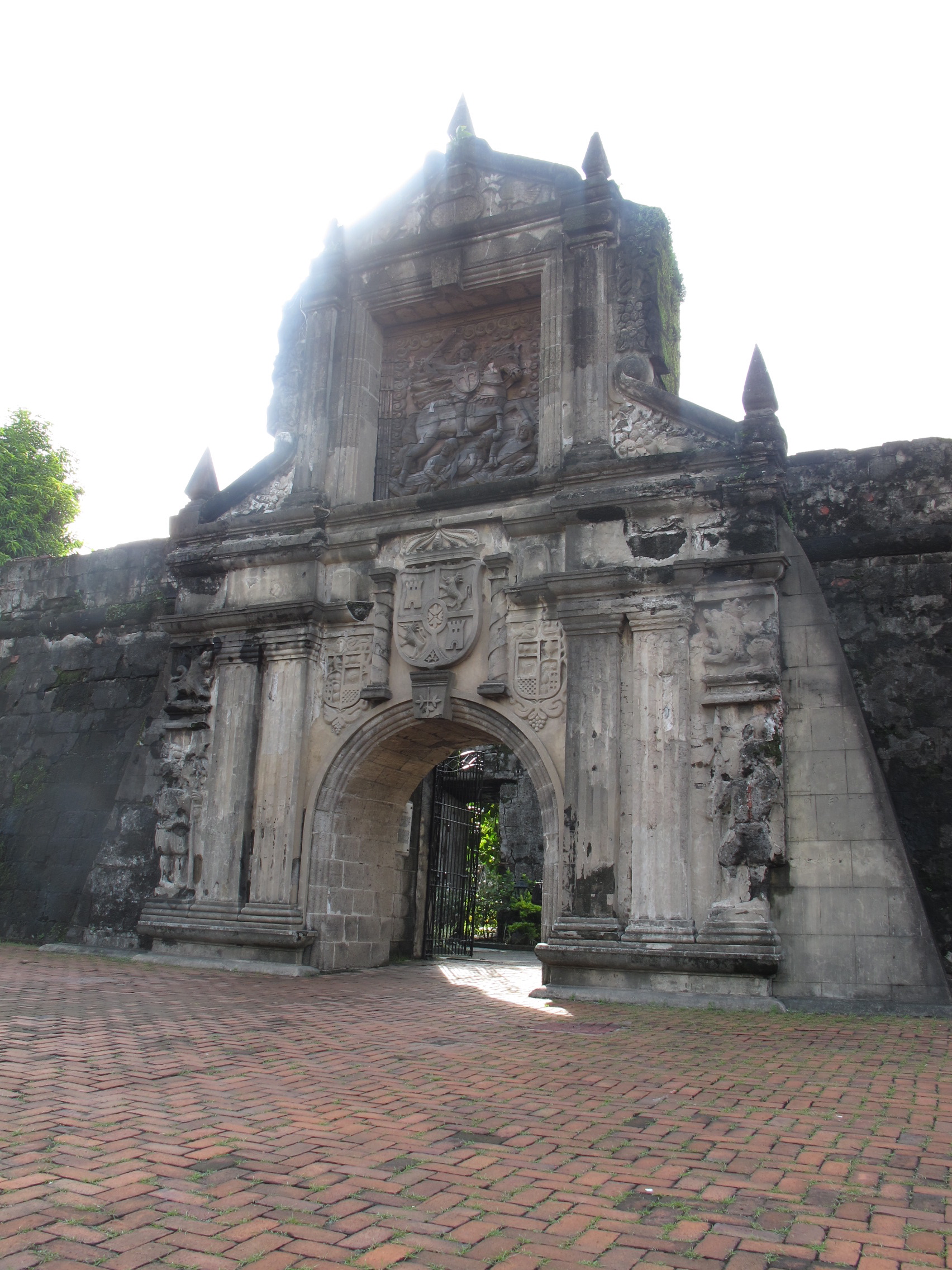
Fort Santiago in Intramuros

A recent visit to Mardid made me think of my trip to Manila back in June. Interestingly, just like Madrid, Manila – known then as Maynila – used to be a Muslim settlement until Spanish general Miguel López de Legazpi paid a visit to local ruler Rajah Sulayman in 1571 and established a colonial city. History of the Philippines from that point on was aptly described by Pulitzer Prize-winning journalist Stanley Karnow as “300 years in a Catholic convent, and 50 years in Hollywood.” He brilliantly spells out the details of Spain’s three centuries long dominion over the archipelago and America’s foray into a colonial adventure there in his book In Our Image: America’s Empire in the Philippines.

Even though I had never been to the Philippines before, Manila filled me with a strange sensation of multiple dimensions of déjà vu. First, there is the Spanish influence over architecture, especially in the historic district of Intramuros. Looking at the Manila Cathedral I had to pinch myself and kept repeating: “I’m not in Mexico, I’m not in Mexico.” Incidentally, during the Spanish colonial period that’s where the Philippines were administered from rather than by Spain proper. The Manila-Acapulco galleon trade route brought Far East riches to the Americas and flourished from 1571 until 1815, ended by the Mexican War of Independence. Read the rest of this entry

Life Madrid-style

Standard

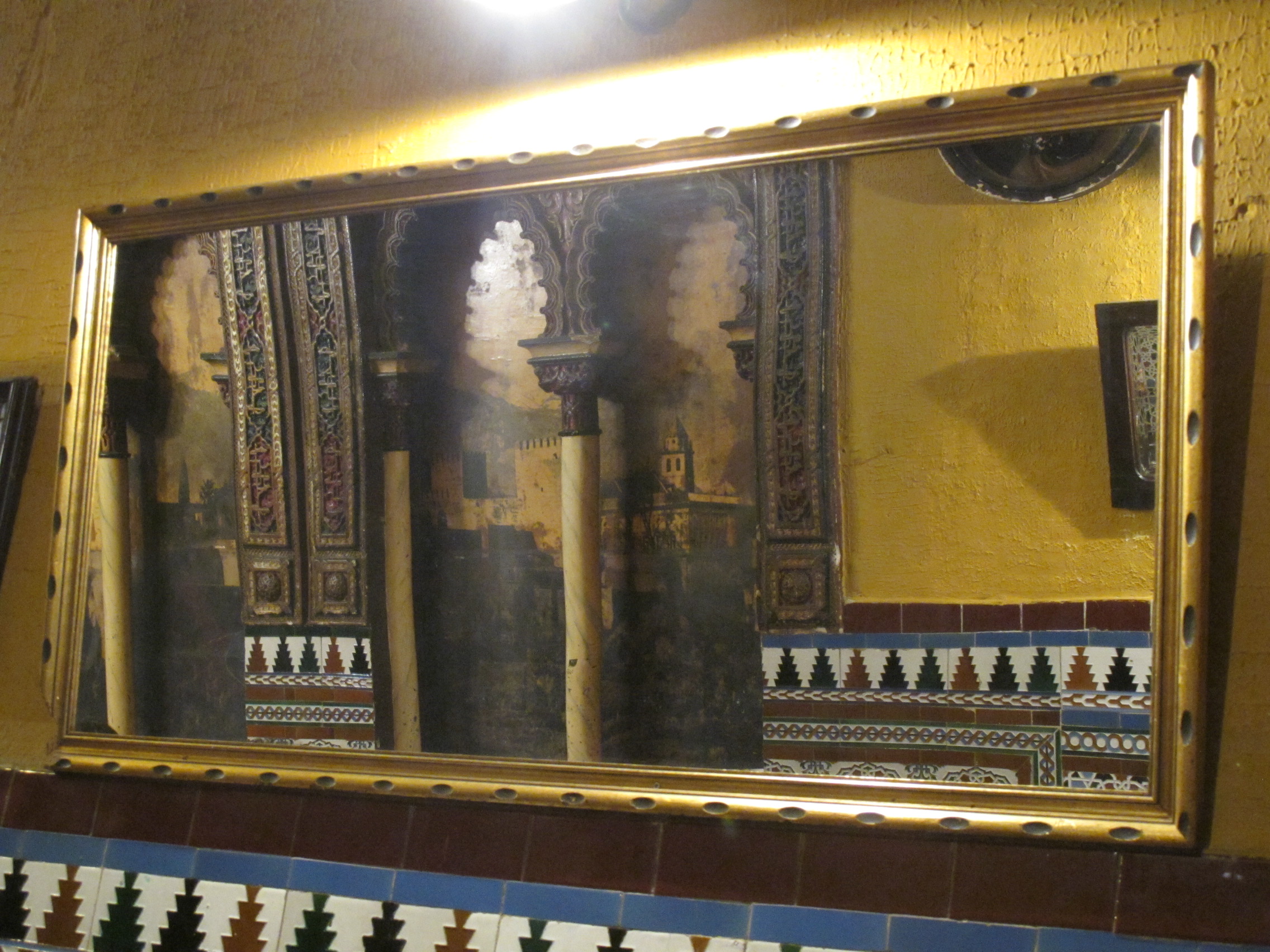
Taberna Alhambra

After visiting Spanish speaking and influenced countries going to Madrid felt like finally coming to the source. Just like all major Spanish roads radiate out from km O at Puerta del Sol to various corners of the country, the influence of Spanish language, food, music, and culture has stretched across the globe through the ages, from Peru to the Philippines.

Madrid surprised me. With its 3 million inhabitants I was expecting a crazy, bustling city – which it was in some respects – but above all Madrid struck me by how walkable and peaceful it is. Strolling through narrow streets around Plaza Mayor, Plaza Santa Ana, or La Latina in an endless hunt for tapas & vino is an almost spiritual experience. Enjoying great bacalao (cod) at Casa Labra, sampling traditional callos a la Madrileña (tripe stew) in Casa Alberto (tavern founded in 1827 in a building where Cervantes used to live), sipping Riojas and Riberas at Taberna Alhambra, ending the night at San Ginés Chocolateria with chocolate con churros – those are moments to cherish. Read the rest of this entry

…and amber

Standard

Bursztyn. Bur-sztyn. I’ve always liked saying this word. It rolls roundly in my mouth. It rustles with the sound of waves polishing the solid blood of ancient pines. Jantar. Jan-tar. Sounds bright, shimmering with honey-hued reflections of the sun. Bernstein. Янтарь. Electron. ηλεκτρον. Whatever you call it (ok maybe with an exception of what the Romans used to call it – lyncurium – or lynx’s urine), amber is among the few of my favorite things.

I guess my sentiment comes from thinking of amber as something very familiar – and very Polish. When I was a kid, one of my favorite events of the year was an annual exhibition of minerals and precious stones in my home town Kielce. I would always be drawn to glowing orange and brown pebbles, rough or made into jewelry. Some translucent like drops of honey. Some almost milky-white with streaks of gold. I always gravitated to the stalls with amber and inspected each for insects frozen in time. Anybody who’s walked down Gdańsk’s Długi Targ or shopped in Kraków’s Sukiennice can relate.

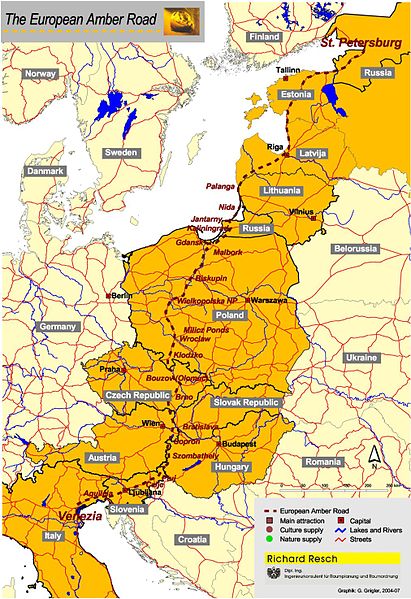
For centuries, amber powered the economic bloodstream linking Europe and Asia. The Amber Road – an ancient trade route – led from the Baltic Sea to the Mediterranean. If I were more of a biker, I’d try EuroVelo 9 that roughly re-traces this path… For now I’ll just keep buying more amber pieces to fuel the modern Amber Road on the Baltic.

Read on:

Sandstone…

Standard

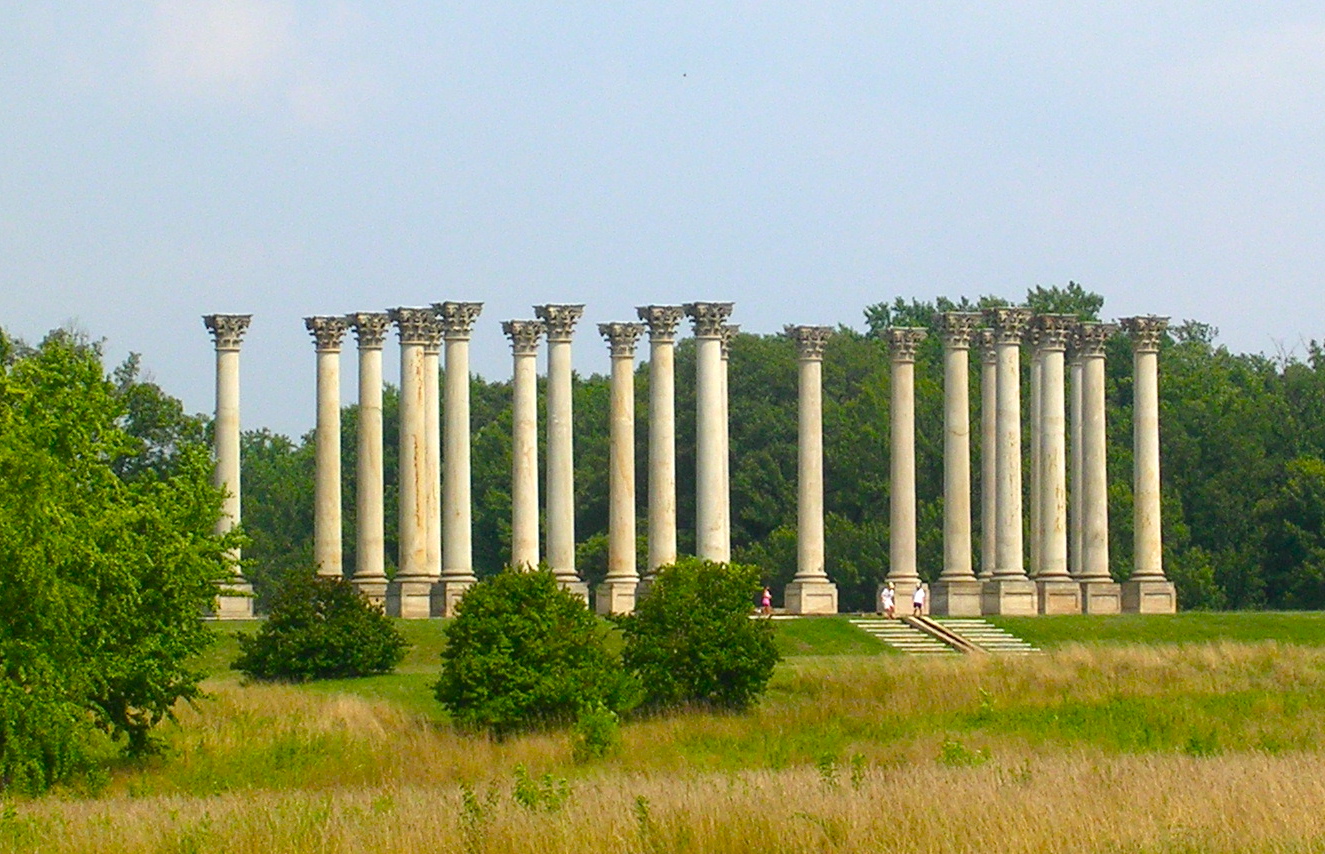
Capitol pillars in National Arboretum

To most visitors Washington DC is the city of marble. Greek temple of Zeus-like Lincoln. Gleaming white facade of the Supreme Court. Cherry blossom-framed dome of the Jefferson Memorial. But before marble, there was sandstone. Virginia sandstone, to be exact.

My first extended stay in DC was during a college internship. I spent the summer working at the State Department (in the good old pre-9/11 days when non-citizens were allowed to do that). The internship was 10 weeks long and at that point I had no idea if I would ever make it back here again so I was on a mission. Each Thursday I picked up the City Paper and frantically circled events and venues I should visit on the weekend – preferably with free admission given that the internship was unpaid =) One of the places it brought me to was the National Arboretum. Read the rest of this entry

Crossing the border

Standard

This was only about crossing the border – somewhere. It made no difference which one, because what was important was not the destination, the goal, the end, but the almost mystical and transcendent act. Crossing the border.
– Ryszard Kapuściński, Travels with Herodotus

It started when I was 15. I’d been abroad before but that was the first time I actually paid attention, maybe because 18+ hours on the bus from Poland to UK gave me ample time to take things in. Ever since travelling has pretty much become a part of my existence, spanning regular back and forth over the Atlantic with occasional forays into other corners of the world. And it is more than anything about crossing the border, about taming and embracing the differentness of another country, city, place.

A big part of that for me is understanding why things work the way they do, mostly in the spirit of open-minded curiosity punctuated by moments of pure rage. I like imagining what the frame in my viewfinder looked like 50, 100, or 200 years ago. In most cases that gives me a unique perspective on where I am but more often than I’d like it also shows how the more things change the more they stay the same in some dysfunctional way.

If life is a journey, I certainly don’t know the destination. But if you – like me – feel the excitement of crossing border after border of space and time, join the ride.

Read on: