Author Archives: Ania

Unknown's avatar

About Ania

I like to think about travel as a 4D experience, a space-time thing that I occasionally manage to capture on my blog.

The other Florida

Standard

Hotel formerly known as the Dunes (photo: http://www.hiexpress.com)

When the weather in the northeast turns cold, my thoughts migrate south in a snowbird fashion. Today I’m thinking about one of my favorite Florida escapes – Pensacola. More specifically, I mentally teleport to the Dunes hotel sitting on a narrow strip of Santa Rosa Island. It faces the Gulf and is separated from the mainland by a long sound, which means that every guest room faces the water. I still remember walking into my room and being greeted by the soft humming of the ocean surf, so close it seemed like I could just outstretch my hand and touch it. And I couldn’t believe my eyes when I saw dolphins playfully jumping between the waves just offshore.

Santa Rosa is a perfect escape. The site of Spanish arrival in the early 16th century, this 40-mile barrier island today belongs in part to the Gulf Islands National Seashore with the landscape ranging from gleaming white beaches and rugged maritime vegetation to historic Fort Pickens on the island’s western tip. Built in 1834, it was the largest of four forts guarding Pensacola Harbor. During the Civil War, Fort Pickens was reinforced the day after Fort Sumter surrendered, later withheld the Confederate assault in the Battle of Santa Rosa Island, and became one of the few southern forts to continuously remain in Union hands. The Fort stayed under military use until after WWII when its old fortifications and gun batteries became obsolete and now is a part of the Seashore. Read the rest of this entry
Magical Kraków

Standard

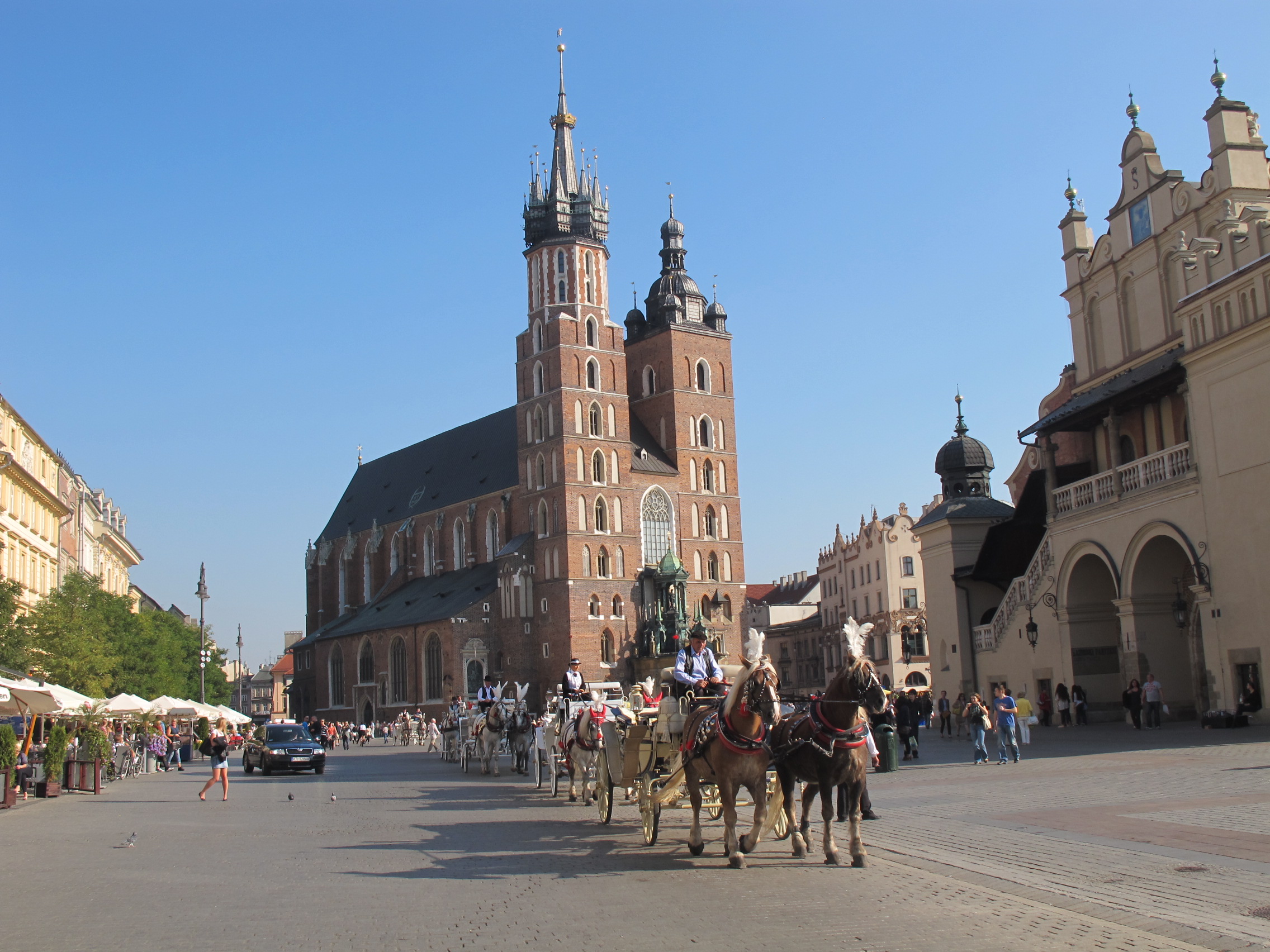
Kraków's Main Square with St. Mary's Church

Having lived in Kraków, I find it hard to blog about it: there is just so much to say. It’s such a great place, special in so many ways, and returning there always feels like recharging batteries. The Main Square especially, even though it is probably the most touristy part of town, has this special energy. First, there is the scale: with sides about 200 meters long it is one of the largest medieval squares in Europe. Then there is history: over the ages the square has been its witness. From the spot now marked by a church where St. Adalbert (Wojciech) preached back in the 10th century, through the place of homage by Prince Albert Hohenzollern of Prussia to Polish King Zygmunt I in 1525, the location where Tadeusz Kościuszko took an oath to defend the country against foreign partitions in 1794, to the commemorative plaque placed there upon Poland’s entry into the EU in 2004. Finally, there is the atmosphere: old churches next to hip cafes, high-end restaurants competing with obwarzanki stands (Polish version of a bagel), kids chasing pigeons around the local landmark of poet Adam Mickiewicz’s statue affectionately known as “Adaś”… Life here flows to the rhythm of Hejnał Mariacki, traditional tune played by a trumpeter each hour from the tower of the stunning St. Mary’s Church. Read the rest of this entry

Tunisie, je t’aime!

Standard

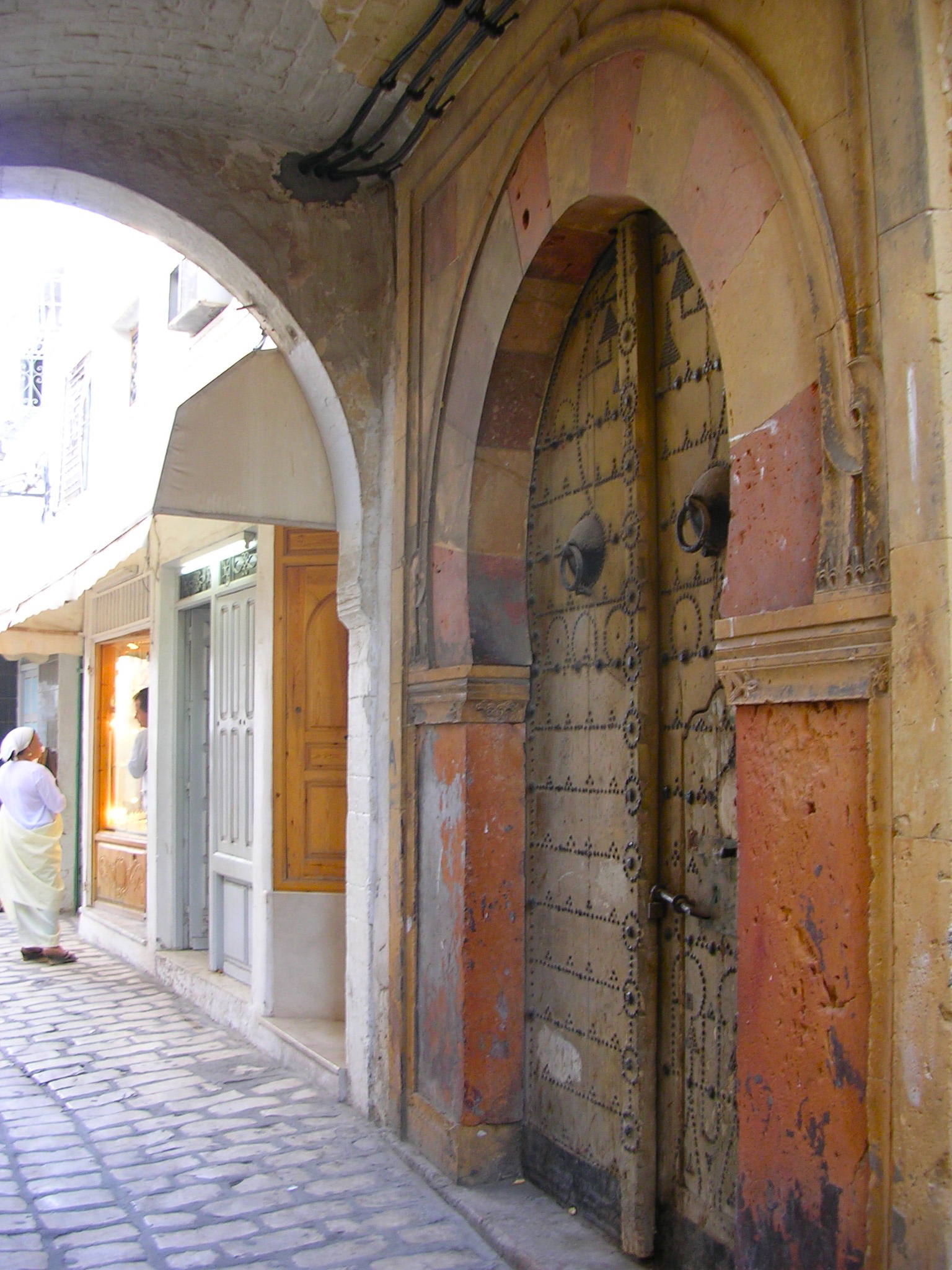
Medieval streets of Sousse

Tunisia will always hold a special place in my heart for a simple reason: that’s where I went for my honeymoon. I got married in Poland and we were looking for a place that would be a great vacation spot (i.e. sea warmer than the Baltic), have historical and cultural depth to it (i.e. no Disneyland), and let us fly there in under 3 hours. Sousse – or Sūsa in Arabic – a gorgeous city 140 km south of Tunis met all the criteria.

Geography is a weird thing. In my mind North Africa is a different, exotic place. But Tunisia almost touches the tip of Sicily and, not surprisingly given this close proximity, its history is tightly intertwined with that of Europe. Tunisia was founded in the 11th century B.C. as a Phoenician port of Hadrumetum, then for centuries was a part of the Roman Empire, a Byzantine city of Justinianopolis, and finally in the 7th century A.D. conquered by the Arabs who gave the city its current character. Its medieval heart, medina, is a UNESCO World Heritage Site with truly unique architecture and atmosphere. Narrow streets meander through spice-scented souks and countless shops, sumptuous aromas ooze out of hole-in-the-wall eateries, and street vendors call out their offers. To my great surprise they address me in Polish! I guess there have been so many Polish tourists in Tunisia in the last few years that it pays to learn how to haggle in the client’s language – and clearly I look the type. Read the rest of this entry

Dreams in the desert

Standard

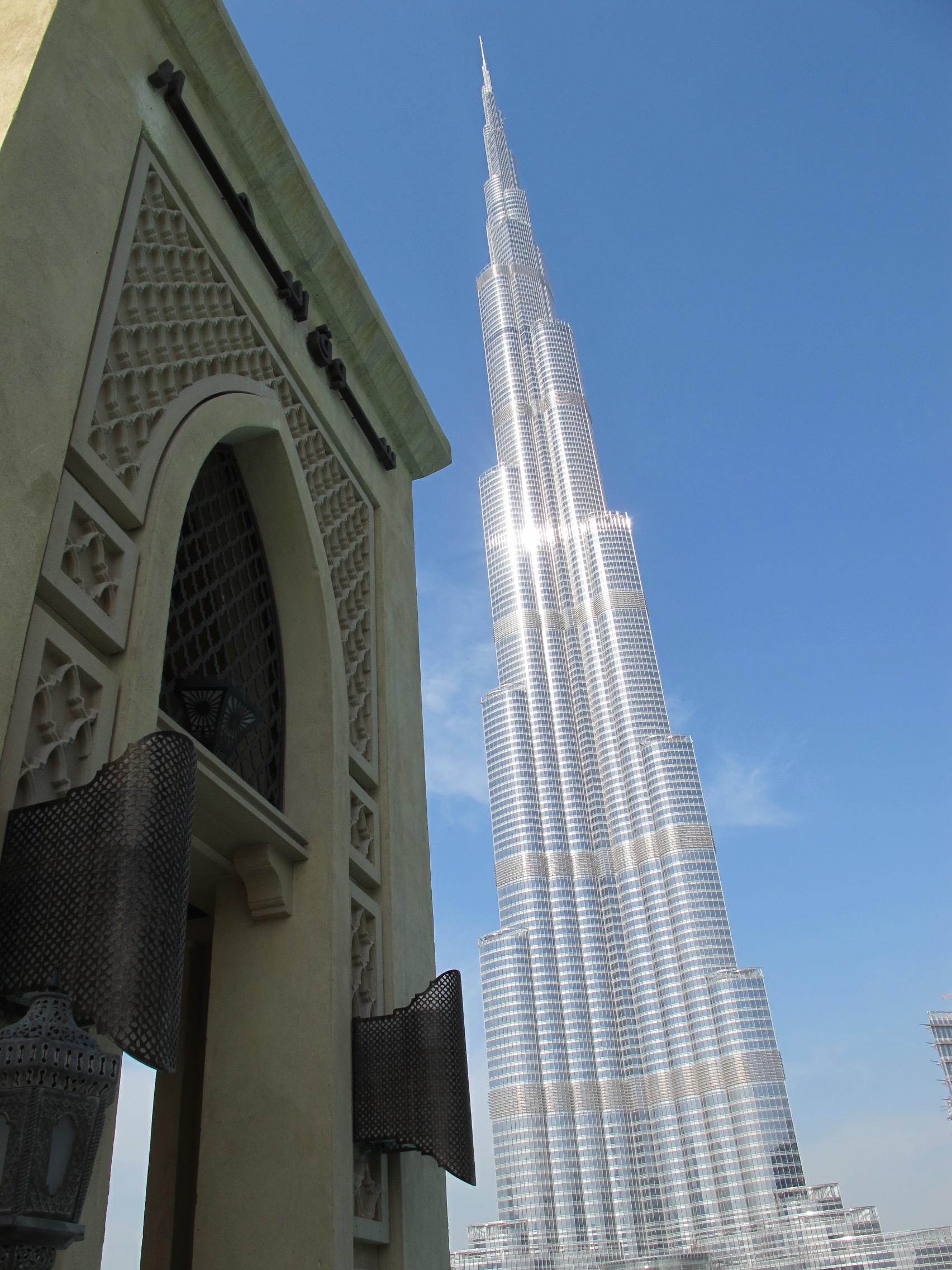
Burj Khalifa from Dubai Mall

Dubai is a city of dreams. Skyscrapers jutting out of the desert seem somehow improbable, unreal. Up until the 1960s, it was a dusty fishing village with faded history of prosperity as a pearl trade port that collapsed in the 1930s amidst the Great Depression (oh yeah, and cultured pearls were invented). That changed when oil was discovered in 1971 and Dubai became a hallmark of making the impossible happen – with lots of cash.

Can you build a sail-shaped structure surrounded by the ocean? Sure, as the iconic Burj Al Arab luxury hotel proves. How about the world’s largest shopping mall? Stop by the Dubai Mall with over 1,000 shops, aquarium, ice rink, 30-acre lake and the world’s largest dancing fountain. The tallest structure in the world? Burj Khalifa, 800+ meters tall skyscraper that opened last year will leave you rubbing your eyes in disbelief. Want to go skiing indoors when it’s 30C outside? No problem, Mall of the Emirates invites you to its 400 meter-long ski slope. Man-made island? Why not – check out the palm-shaped artificial archipelagos off Jumeirah Beach built on sand dredged from the bottom of the Persian Gulf. Read the rest of this entry

Walkin’ to New Orleans

Standard

New Orleans street

New Orleans is an old, thick book that I’ve barely managed to crack open in my two (so far) visits there. But I love it, pure and simple, and can’t wait to get more of it. But then who wouldn’t? It takes one meal at Bayona, a few morsels of chargrilled goodness at Acme Oyster House, or a bite o’beignet at Cafe du Monde to want to stay forever. (Yes, there is a pattern here: a path to my heart often leads through stomach.) Most visitors never venture outside the French Quarter – and although there is surely enough there to keep you busy, there is definitely more to the city. Colorful shotgun houses and beautiful Holy Name of Mary Catholic Church are just a short ferry ride across the Mighty Mississippi in Algiers Point. Impressive mansions – including the house where Jefferson Davis died in 1889 – are only a streetcar-hop away in the Garden District. And then there are the cemeteries. Ancient white vaults, angels cast in stone, and faded names carved on weather-worn tombstones tell the story of generations past. St. Louis Cemetery #1, the oldest one in the city dating back to 1789, is the closest to the French Quarter. It’s just across North Rampart Street and yet ages away, stretching back to the time when this place was called Nueva Orleans. Read the rest of this entry

A frog, a church, and a volcano

Standard

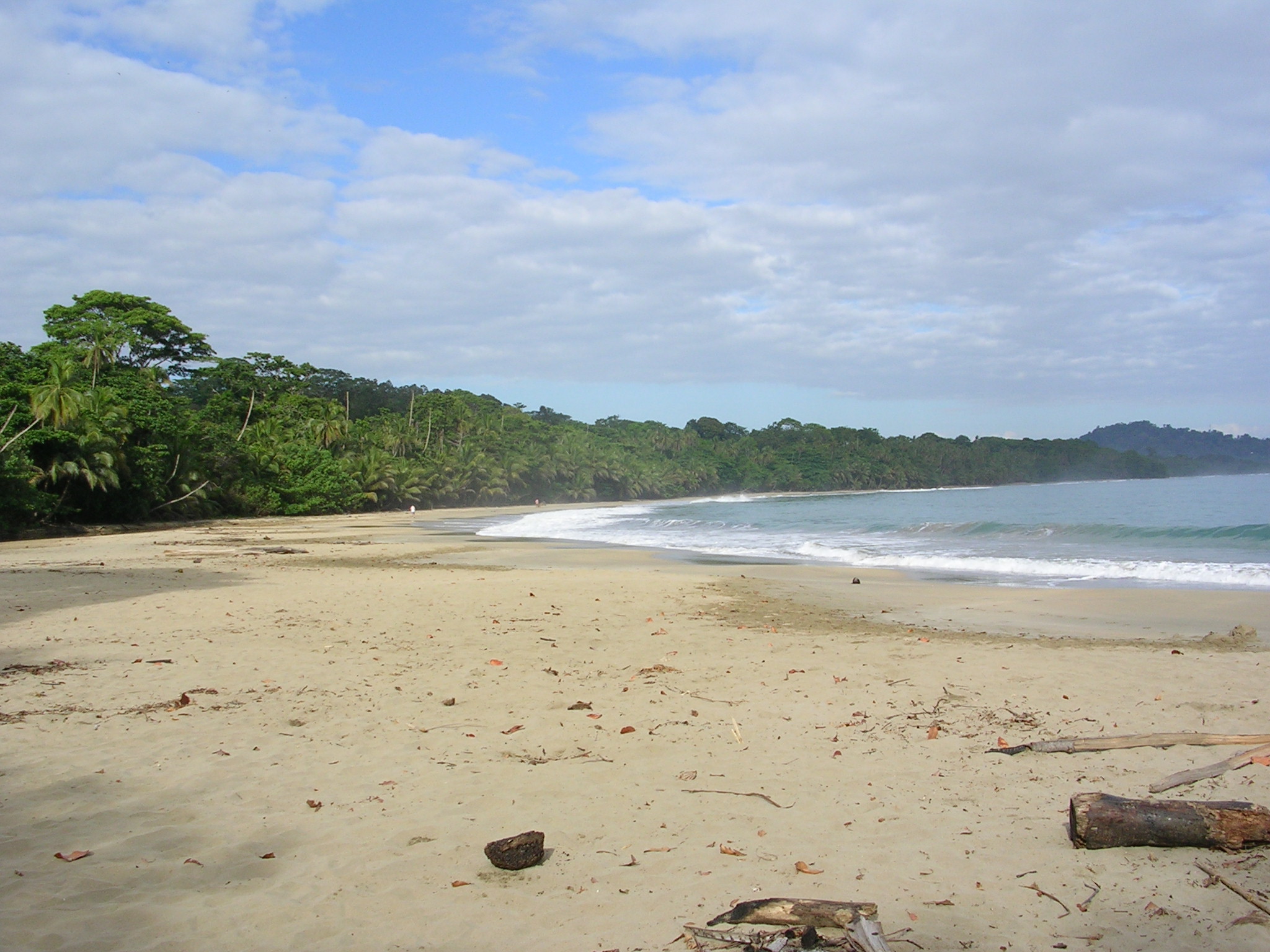
Playa Cocles

There is so much to tell about Costa Rica, whether you’ve been there for just a few days or for months so like everyone else I have to prioritize. I chose three places that capture some of my most enchanting moments there: Puerto Viejo area, town of Orosi, and the Irazú Volcano.

Playa Cocles is a slice of paradise. Stretched along a dusty road south of Puerto Viejo on the Atlantic coast, it is wild and beautiful and yet only four hours away by car from San José. Thanks to Costa Rica’s laws that make the first 50 meters past the high tide mark public land, no one can own a beach anywhere in the country, saving the pristine stretches of sand and coastal vegetation from ugly commercial development. No hotel fronts, no soda stands, no beach chairs. Perfect! Read the rest of this entry

Global marketplace of institutions

Standard

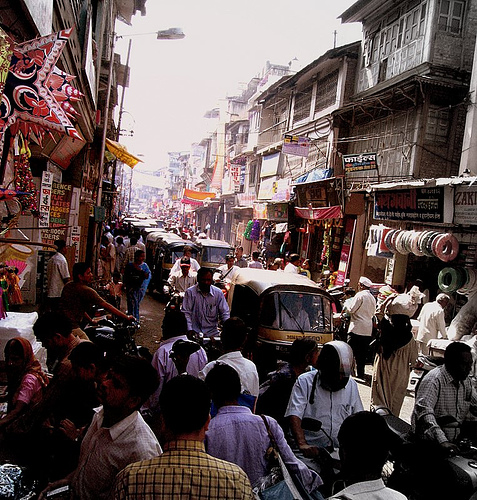
Sarojini Nagar (Image:thebetterindia.com)

I just dug out an old essay I wrote in 2002 after a trip to India. To quote John Irving from his great book A Son of the Circus, this blog “isn’t about India. I don’t know India. I was there only once, for less than a month.” Rather, New Delhi gave me some food for thought on broader issues. Still seems pretty fresh (I hope) even a decade later. Sorry, no original images – it was before I had a digital camera. One day I’ll get around to scanning those old films…

New Delhi, India
March 14, 2002

The road ahead is so packed that I – a curious shopper – barely make my way through the kaleidoscope of rainbow fabrics stacked to the roof of every street stand, beads sparkling in henna-embellished hands of merchants, and pots constantly spouting ginger- and cardamom-spiced clouds that tantalize passers-by to stop for a snack. Once in a while, an enormous purple blossom drops heavily from a nearby tree right in the middle of this fantastic scene, quickly crushed by a rushing foot, rickshaw, or hoof into what seems like a crimson vein nourishing the place. Typical spring day at the Sarojini Nagar market… Read the rest of this entry

More than a market

Standard

This is the place that made me fall in love with Capitol Hill and a true gem of DC. If you haven’t been here yet, mark the address: 7th & C St SE. I first stumbled upon Eastern Market as a hungry student, delighted to partake in generous free sampling of sumptuous local produce. I love walking and – I guess partially due to my European background and partially due to more primordial self-preservation instincts – I absolutely need to be able to walk to places where I can feed myself (i.e. no suburbs for me). But in addition to providing me with daily sustenance Eastern Market every Saturday and Sunday becomes the pulse of the neighborhood. Like clockwork, it counts the seasons through delicious colors, flavors, and smells: sweet strawberries in the spring, palate-pleasing peaches in the summer, cider in the fall, and fragrant fir wreaths in the winter. And everything in between – parsley, sage, rosemary and thyme – a modern-day Scarborough Fair. Read the rest of this entry

Manila musings

Standard

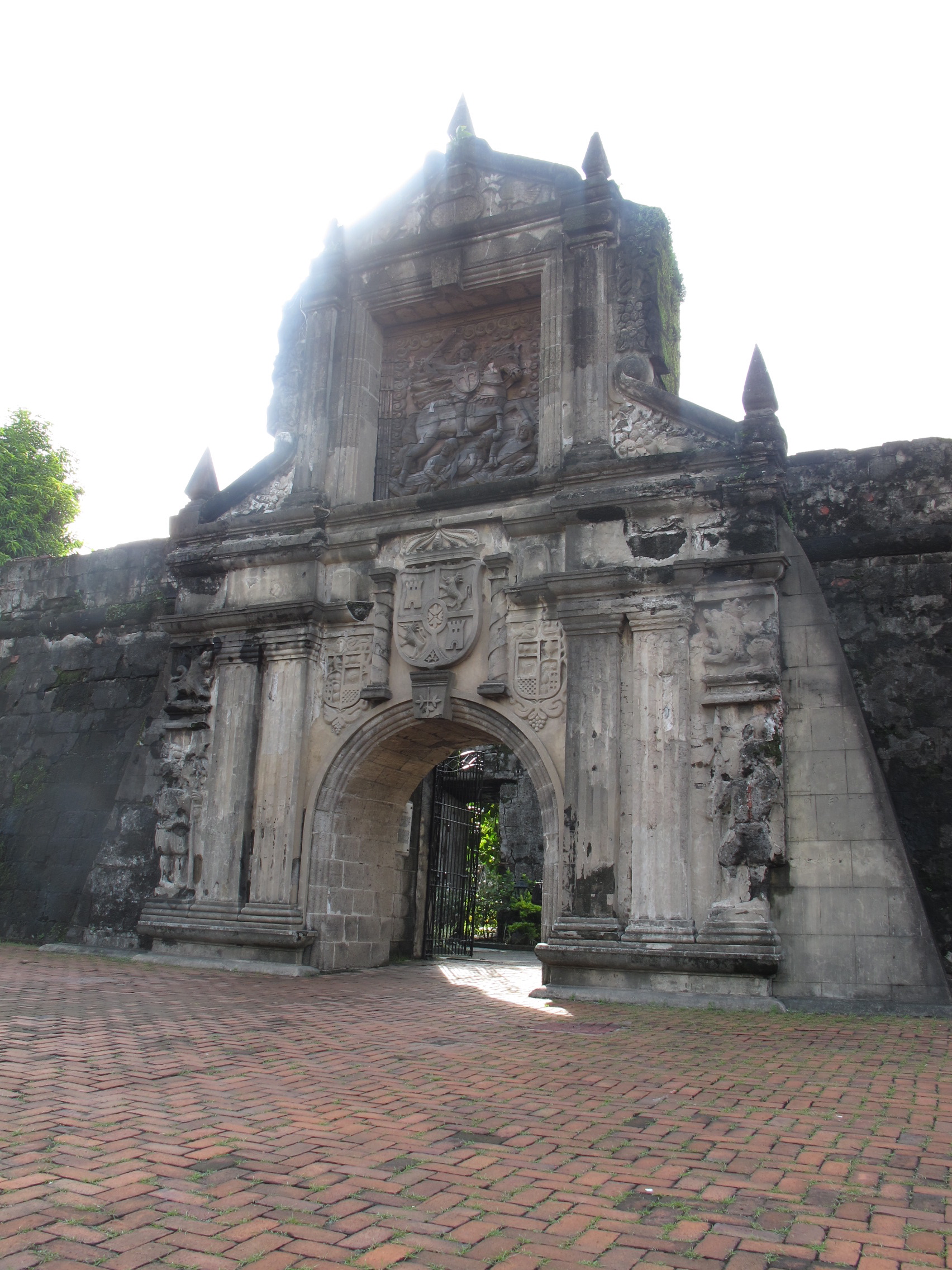
Fort Santiago in Intramuros

A recent visit to Mardid made me think of my trip to Manila back in June. Interestingly, just like Madrid, Manila – known then as Maynila – used to be a Muslim settlement until Spanish general Miguel López de Legazpi paid a visit to local ruler Rajah Sulayman in 1571 and established a colonial city. History of the Philippines from that point on was aptly described by Pulitzer Prize-winning journalist Stanley Karnow as “300 years in a Catholic convent, and 50 years in Hollywood.” He brilliantly spells out the details of Spain’s three centuries long dominion over the archipelago and America’s foray into a colonial adventure there in his book In Our Image: America’s Empire in the Philippines.

Even though I had never been to the Philippines before, Manila filled me with a strange sensation of multiple dimensions of déjà vu. First, there is the Spanish influence over architecture, especially in the historic district of Intramuros. Looking at the Manila Cathedral I had to pinch myself and kept repeating: “I’m not in Mexico, I’m not in Mexico.” Incidentally, during the Spanish colonial period that’s where the Philippines were administered from rather than by Spain proper. The Manila-Acapulco galleon trade route brought Far East riches to the Americas and flourished from 1571 until 1815, ended by the Mexican War of Independence. Read the rest of this entry

Life Madrid-style

Standard

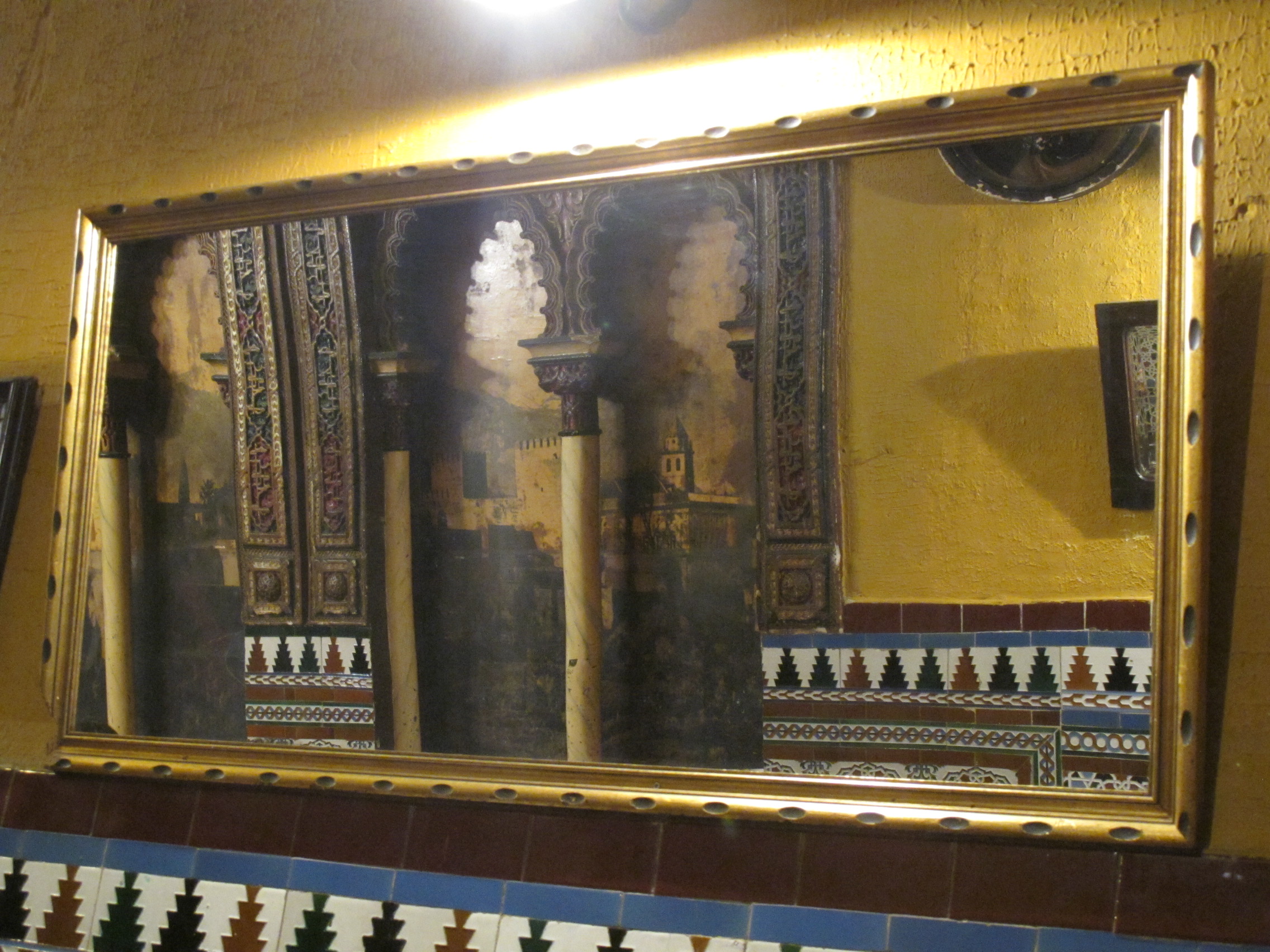
Taberna Alhambra

After visiting Spanish speaking and influenced countries going to Madrid felt like finally coming to the source. Just like all major Spanish roads radiate out from km O at Puerta del Sol to various corners of the country, the influence of Spanish language, food, music, and culture has stretched across the globe through the ages, from Peru to the Philippines.

Madrid surprised me. With its 3 million inhabitants I was expecting a crazy, bustling city – which it was in some respects – but above all Madrid struck me by how walkable and peaceful it is. Strolling through narrow streets around Plaza Mayor, Plaza Santa Ana, or La Latina in an endless hunt for tapas & vino is an almost spiritual experience. Enjoying great bacalao (cod) at Casa Labra, sampling traditional callos a la Madrileña (tripe stew) in Casa Alberto (tavern founded in 1827 in a building where Cervantes used to live), sipping Riojas and Riberas at Taberna Alhambra, ending the night at San Ginés Chocolateria with chocolate con churros – those are moments to cherish. Read the rest of this entry